
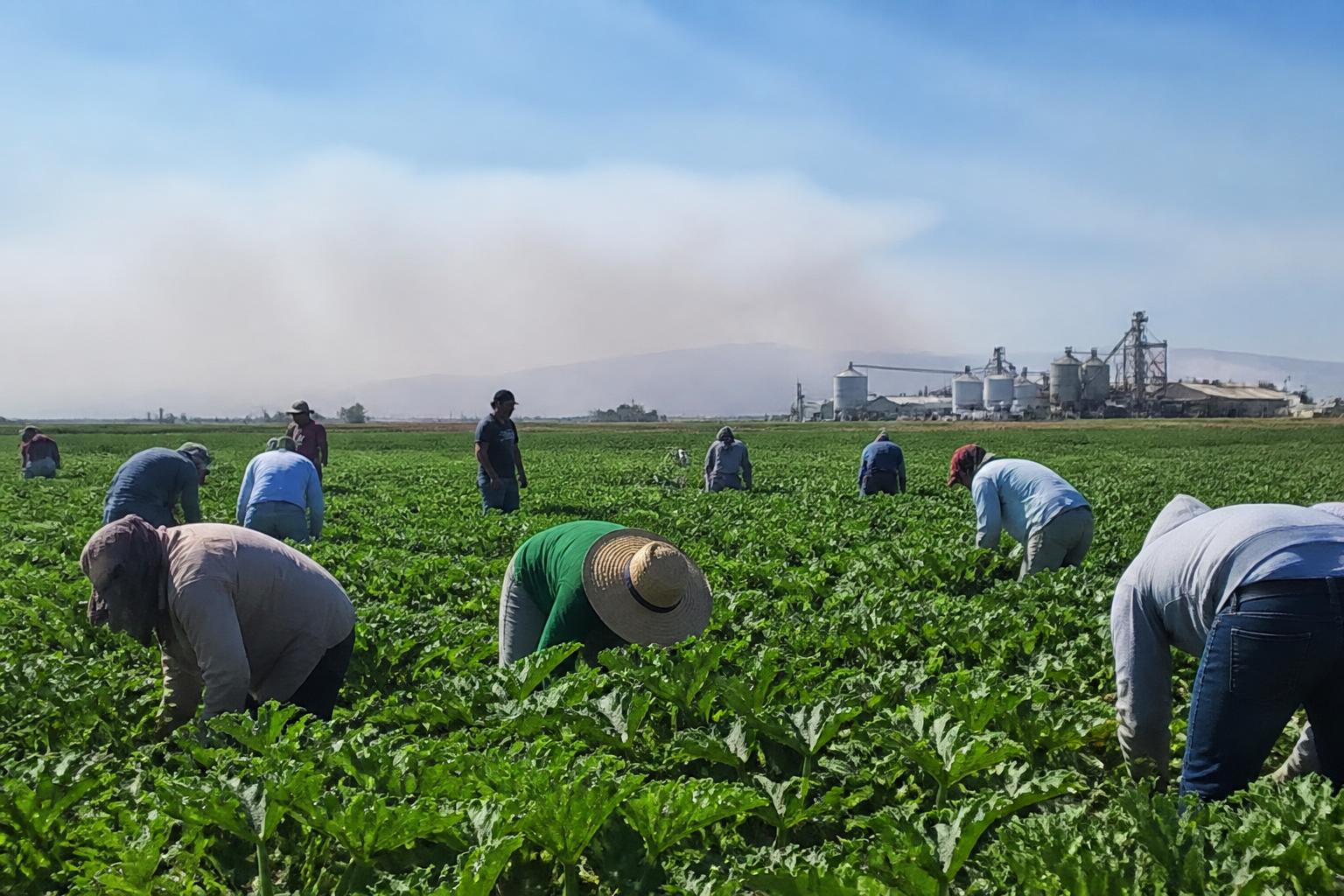
Mid-summer in Washington brings a period of intense activity, where the focus for many growers often turns toward both maintaining current crop health and planning for the long-term logistical needs of their operations. As the harvest cycle progresses, local agribusinesses and grain handlers are keeping a close eye on the stability of input supply chains. Recent market developments suggest that while optimism exists regarding new regional fertilizer capacity, global supply chain pressures and fluctuating transport costs continue to demand careful risk management from producers.
Infrastructure and Regulatory Landscape
Transport logistics remain a central concern for the agricultural sector in Washington. Efficient movement of grain and inputs is vital, particularly as market participants monitor logistical headwinds and export pressures that can influence regional profitability. In many parts of the state, handlers are balancing labor constraints and the evolving regulatory requirements from federal agencies, which can impact the speed and cost of moving goods across both rail lines and local highways.
Input Supply and Market Resilience
The reliability of fertilizer supplies has become a focal point for many farming operations as they assess their strategies for the upcoming seasons. Market analysts observe that geopolitical shifts often introduce volatility, potentially affecting input access. Conversely, localized investments in manufacturing infrastructure are viewed by some as a positive indicator for future supply security. For many Washington producers, maintaining flexibility in procurement and staying informed on rail efficiency is essential for mitigating the risks associated with potential supply disruptions.
What it means for the market: For Washington agribusinesses and farmers, the current climate emphasizes the need for proactive logistics planning. With summer work in full swing, local operators should prioritize communication with suppliers regarding fertilizer availability while remaining attentive to broader policy trends that could influence freight movement and input costs in the coming months.
Comments
No comments yet - be the first to share your take.