
Adapting to Evolving Grain Market Tools
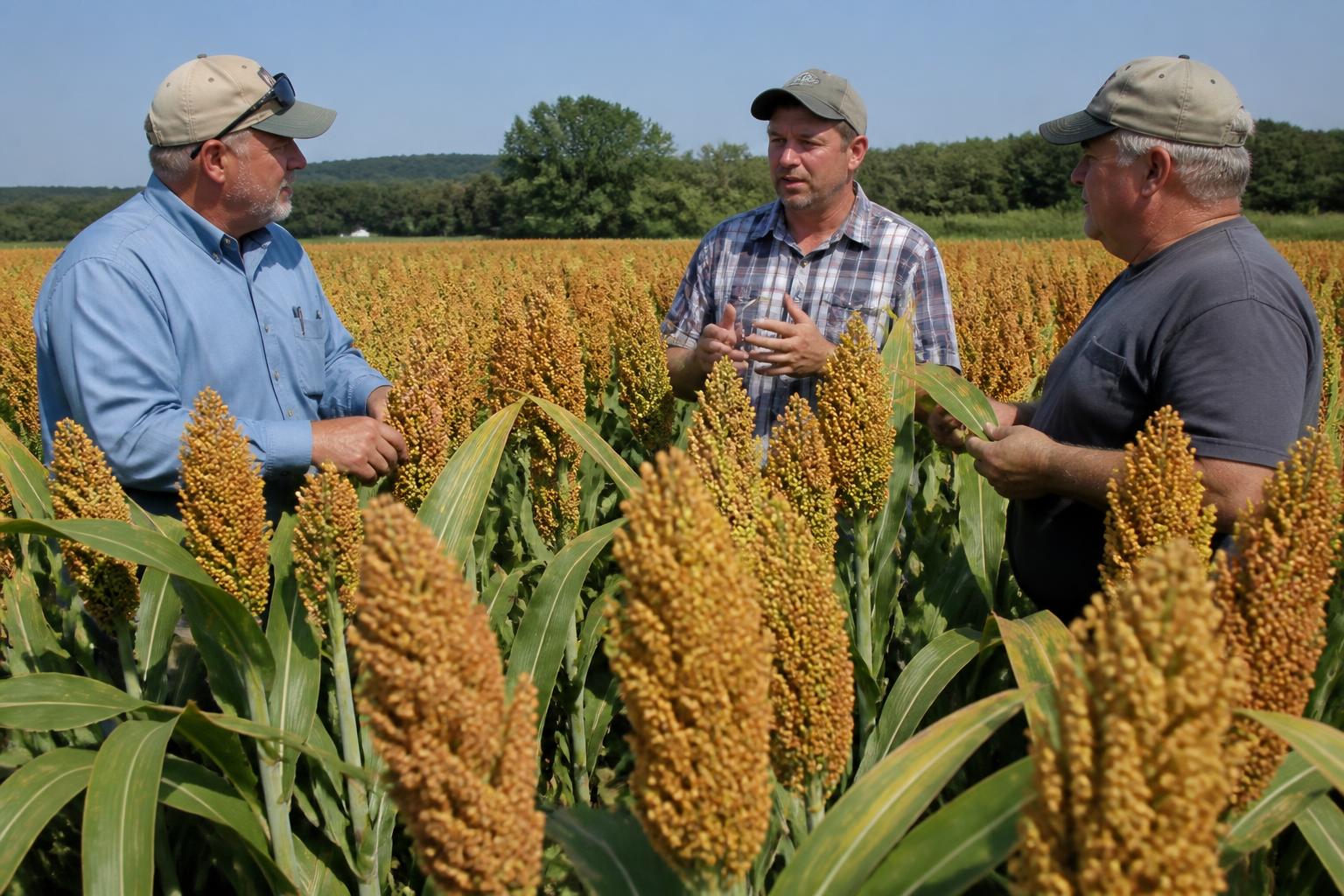
Wyoming growers are currently navigating a complex summer landscape where both global market indicators and regional organizational shifts may influence operational planning. The recent expansion of sorghum futures on the CME has caught the attention of producers looking to diversify their risk management portfolios. As Wyoming producers monitor crop resilience and market pressures, understanding how these financial instruments align with local production cycles remains a priority for those operating in the state's diverse agricultural basins.
Engagement and Market Advocacy
The agricultural community in Wyoming is also seeing a shift in how producers connect with broader industry advocacy. With new leadership roles like the recent marketing and engagement appointments within state farm bureaus, there is a renewed focus on bridging the gap between local growers and national market realities. For many, these connections are vital when addressing the regulatory and environmental pressures that often dictate how grain is moved, stored, and sold across state lines.
Logistical Considerations for the Season
As we move through the summer months, grain handlers and producers should keep a close eye on transport efficiency. While specific market conditions remain fluid, maintaining strong ties with regional grain buyers, sellers and prices in Wyoming is essential for ensuring that storage capacity is optimized before the peak of the harvest season. Proactive communication with logistics partners can help mitigate potential delays that often occur when shifting market demand meets seasonal transportation bottlenecks.
What it means for the market
The convergence of new commodity futures and increased organizational focus on marketing suggests a period of transition for Wyoming's grain sector. Producers who prioritize long-term risk management and stay engaged with local market analysis will be better positioned to handle the volatility inherent in today's agricultural economy. Focusing on operational efficiency now can help safeguard against unpredictable shifts as we approach the final stages of the growing season.
Comments
No comments yet - be the first to share your take.