
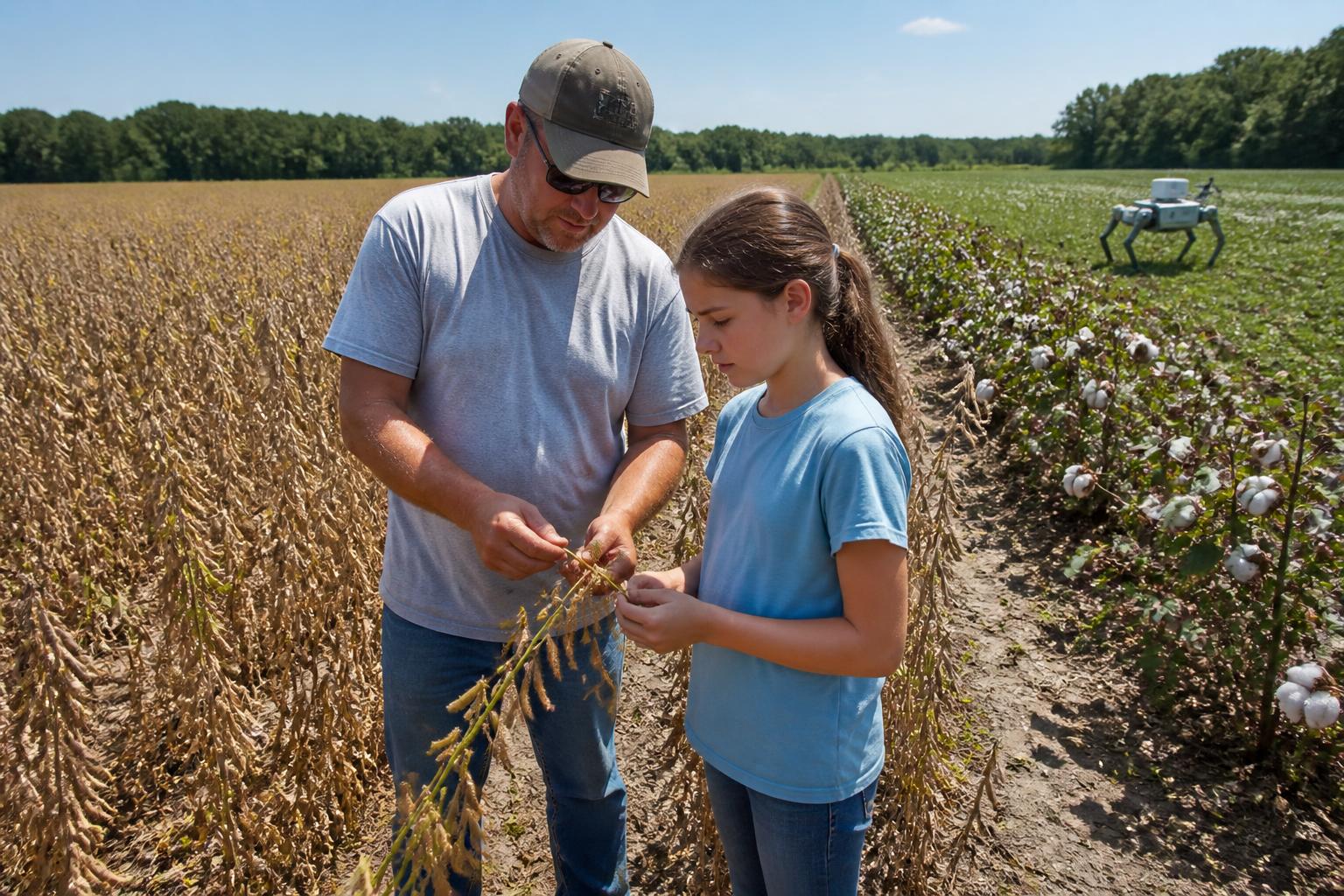
North Carolina producers are currently navigating a complex summer market environment. With the growing season in full swing, agricultural operations across the state are transitioning their focus toward upcoming harvest logistics and field management. For many grain handlers and farmers, the current period represents a critical window for evaluating crop health and preparing storage capacity to manage potential yield fluctuations.
Regional grain markets remain sensitive to broader infrastructure developments. Growers looking to optimize their supply chain often rely on updated logistics and transit trends to coordinate the movement of commodities from field to elevator. Understanding these flow patterns can be vital, especially as regional transport corridors face the typical demands of the late-summer harvest cycle.
Technology and Field Management
Beyond logistics, North Carolina continues to see an increased integration of precision tools in field scouting and crop development. Innovations in bionic robotics and digital education programs are beginning to reshape how producers approach daily field management tasks. These advancements may offer new ways to address longstanding issues such as disease pressure in row crops, helping farmers protect yield potential throughout the remainder of the summer months.
Preparing for Harvest
As the season progresses, the focus for many in the industry shifts to the technical requirements of the upcoming harvest. From maintenance on grain storage infrastructure to monitoring the latest research in crop resilience, proactive preparation is a common theme among North Carolina agribusinesses. Keeping an eye on regional research and extension updates can provide a roadmap for managing the specific variables that influence North Carolina's diverse farming landscape.
What it means for the market
For grain handlers and farmers, the immediate outlook emphasizes the importance of data-driven planning. By aligning logistical preparations with current field performance metrics, stakeholders can better mitigate risks associated with harvest-time throughput. While the market remains dynamic, focusing on infrastructure readiness and the adoption of emerging field technologies may provide a competitive edge as the state approaches the height of the fall marketing window.
Comments
No comments yet - be the first to share your take.