
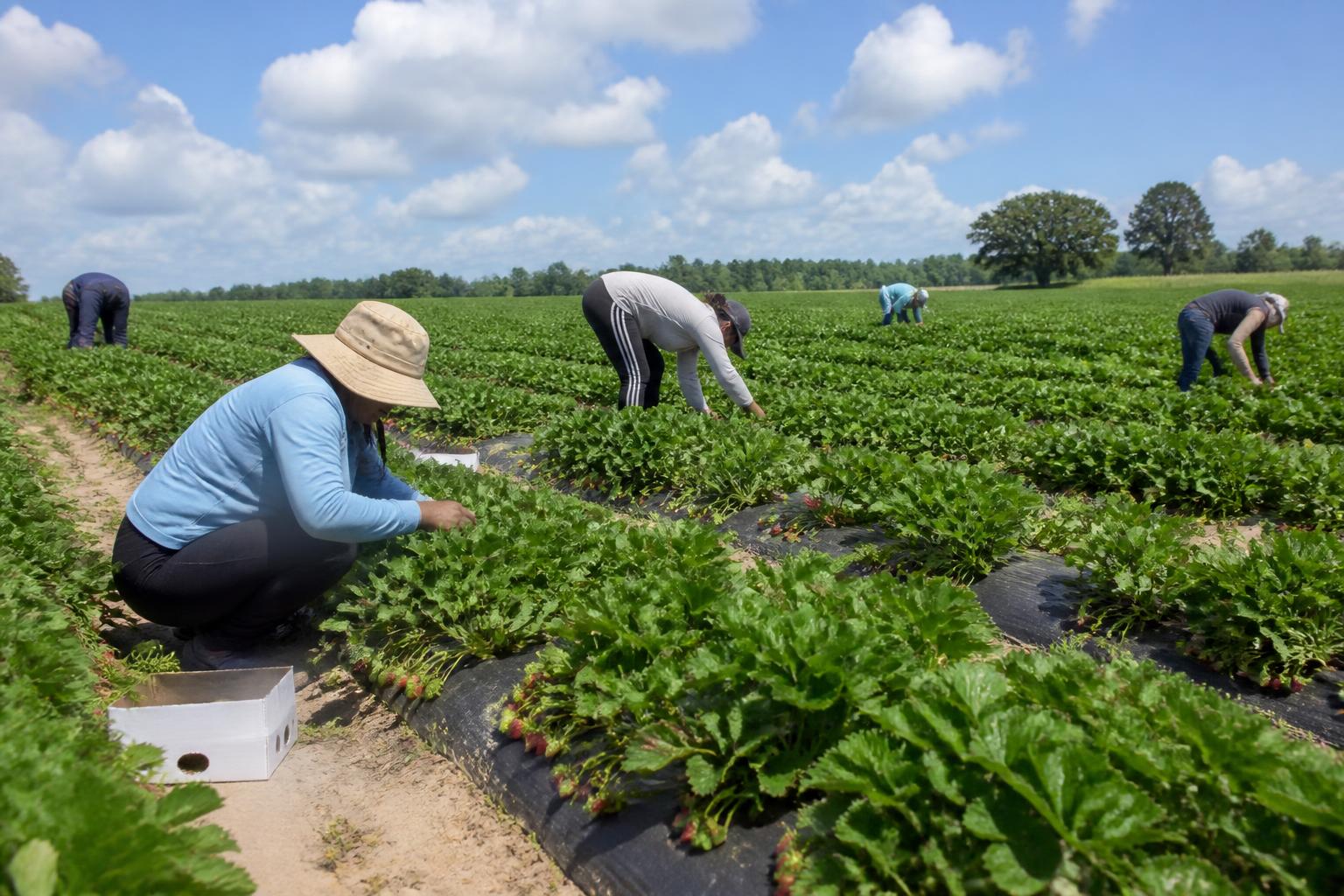
As we move through the heat of August in South Carolina, the agricultural sector faces a unique intersection of operational challenges and infrastructure requirements. With local food manufacturing facilities supporting a significant workforce across the state, the demand for consistent, high-quality agricultural inputs remains steady, placing a premium on reliable logistics and seasonal transport flow.
Adapting to Seasonal Production Realities
Recent challenges, including reports of unusual weather impacts on sensitive specialty crops like strawberries, underscore the importance of precision in field management and distribution. When weather events disrupt standard harvest cycles, it creates a cascading effect on storage capacity and transport scheduling. Producers in regions like the Upstate and the Midlands are often tasked with balancing these immediate yield fluctuations with long-term efforts to prioritize local distribution networks, as encouraged by statewide initiatives aimed at bolstering the homegrown market.
Building Resilience in the Supply Chain
For agribusinesses and transport operators, the focus remains on agility. Integrating optimized field resiliency into daily operations can help mitigate the risks posed by sudden climate volatility. As harvest windows shift, communication between growers and grain handlers or processors becomes the primary tool for reducing bottleneck risks. Furthermore, with the continued expansion of education-led agricultural programs in the state, such as those recognized for sustainable excellence, there is a clear trend toward adopting technology that enhances storage and transportation efficiency.
What it means for the market
For the remainder of the summer, the market outlook for South Carolina remains closely tied to the ability of logistics networks to absorb the impacts of erratic production cycles. Farmers and freight partners who maintain proactive scheduling and diversify their storage options may find themselves better positioned to navigate these supply chain uncertainties. Prioritizing efficiency in the movement of goods is no longer just a seasonal convenience but a necessity for supporting the local food manufacturing industry and ensuring regional agricultural stability.
Comments
No comments yet - be the first to share your take.