
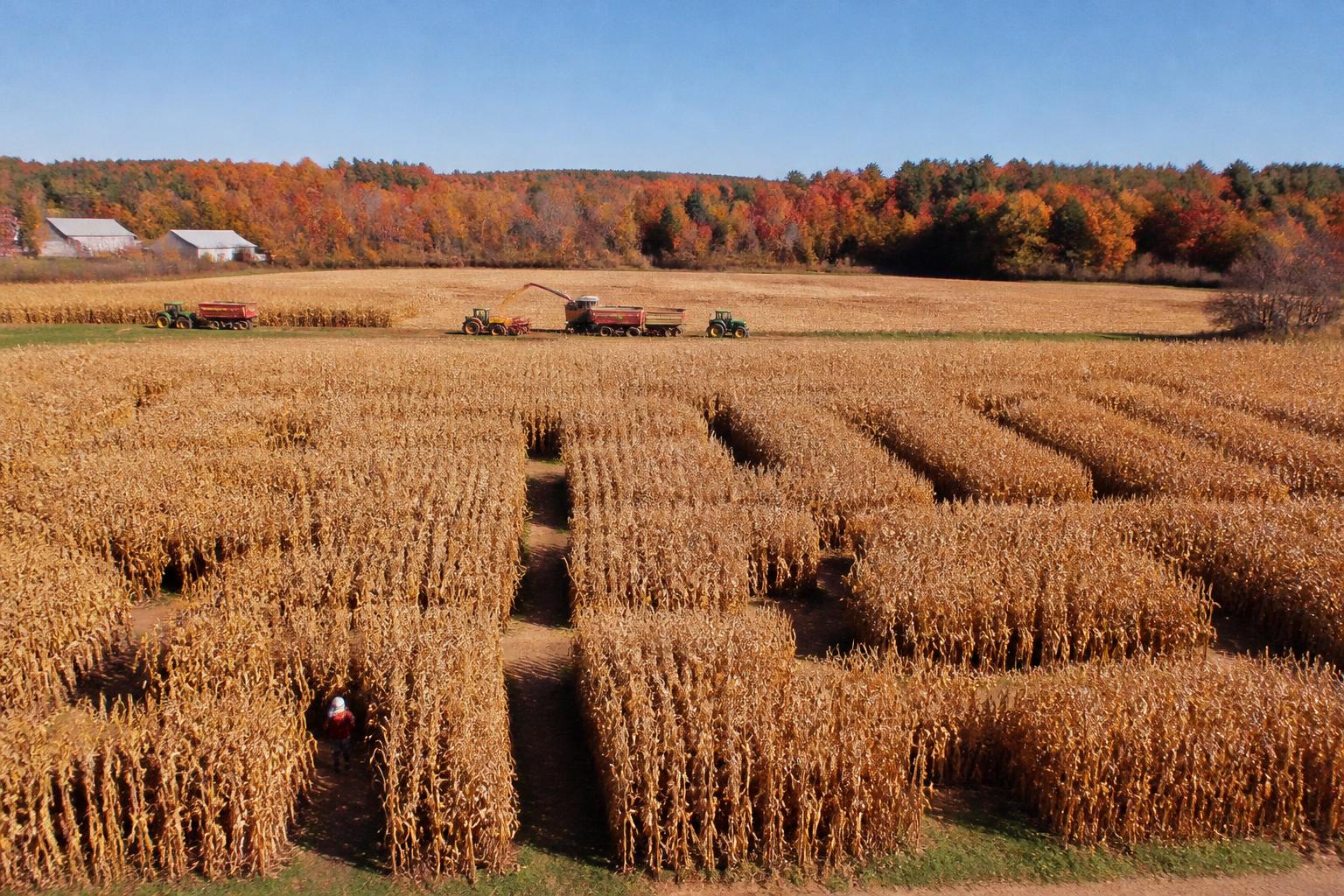
With the autumn harvest reaching its full stride across New Hampshire, growers and logistics providers are focusing on the critical task of moving product efficiently from the field to regional market hubs. The combination of seasonal crop movement and the ongoing transition in agricultural infrastructure requires a coordinated effort between producers, elevator operators, and transport carriers to minimize bottlenecks on rural routes.
For many farm operations in the state, this period represents the most intense window for outbound logistics. Whether navigating winding roads or managing higher volumes of regional haulage, ensuring that heavy equipment and cargo trucks maintain consistent flow is essential. Proactive scheduling is often cited as the most effective tool for mitigating potential delays, especially as transport demand spikes during the peak harvest throughput.
Adapting to Infrastructure Demands
As growers refine their operations, many are increasingly focused on the long-term benefits of resilient local supply chains. With recent advancements in the federal agricultural landscape, there is a renewed discussion surrounding how legislative shifts may impact future funding for rural transport and logistics support. Farmers are encouraged to review how these updates to national policy might influence evolving infrastructure requirements within the state.
Moreover, the interplay between field management and transport logistics continues to evolve. Establishing strong communication channels between input buyers and regional carriers can significantly reduce wait times at loading docks. For those managing grain or seasonal produce, streamlining the handover process ensures that market-ready goods reach their destination while quality is at its peak.
What it means for the market
For New Hampshire’s agribusiness community, the current market environment rewards those who prioritize logistical agility. As the industry navigates the complexities of the fall operational season, maintaining a focus on load efficiency and infrastructure health will be vital. By staying aligned with regional trends and optimizing transport routes, stakeholders can better manage the pressures of a busy harvest, ultimately protecting the bottom line during this high-stakes time of year.
Comments
No comments yet - be the first to share your take.