
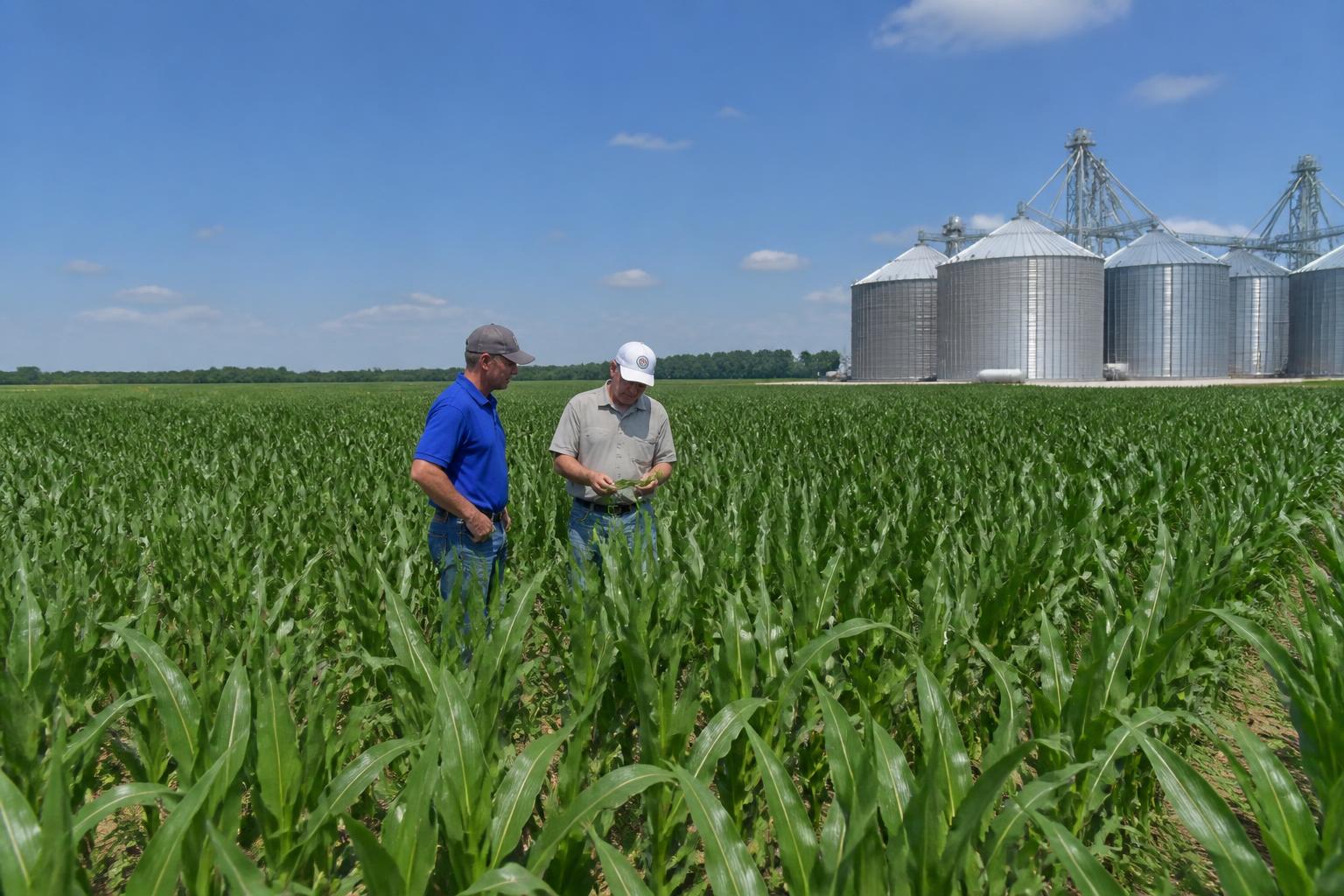
Focusing on Infrastructure Resilience
As the summer heat intensifies across the Indiana landscape, farm operators are shifting attention toward the long-term viability of their assets. With harvest preparations on the horizon, many producers are evaluating the condition of their grain storage facilities. Ensuring that bins are properly maintained and adequately insured remains a critical step in risk management. In addition to storage, the condition of local logistics networks continues to be a focal point for those moving inputs and commodities along major freight corridors.
Maintaining secure storage solutions, including the use of containment dikes, is becoming an increasingly essential practice for those looking to protect their margins in a volatile climate. Proper maintenance of these facilities not only guards against environmental loss but also ensures that operations remain efficient during the high-pressure harvest window. For more on navigating these operational transitions, see our report on Indiana agribusiness operational standards.
Managing Mid-Season Crop Pressures
The current warmth has kept Indiana farmers on high alert for shifting pest populations and nutrient uptake issues. Field experts emphasize that scouting remains the most effective tool for managing potential outbreaks that could impact yield potential this late in the season. Proper identification of symptoms, such as distinguishing between environmental stress and actual fertilizer burn in corn, is vital to making informed decisions about late-season interventions.
As the season progresses, the focus is narrowing on maximizing the output of the current crop while preparing for the logistical requirements of the coming months. Efficient coordination between regional grain elevators, transporters, and on-farm operations will be key to navigating the late-summer pace. Whether addressing labor constraints or optimizing local infrastructure, the emphasis remains on proactive management to maintain profitability.
Key Takeaways
- Assess grain bin integrity and coverage to avoid potential post-harvest losses.
- Prioritize thorough scouting for pests and nutrient deficiencies rather than reactive, broad-spectrum applications.
- Monitor local road and transport infrastructure to anticipate any potential bottlenecks as the harvest season approaches.
What it means for the market: For the Indiana agribusiness sector, these weeks represent a critical window for stabilizing operations before the intensity of autumn. By prioritizing maintenance and disciplined crop scouting, producers can better position themselves to handle unexpected disruptions, ensuring that infrastructure and field health remain on track to support a successful harvest cycle.
Comments
No comments yet - be the first to share your take.