
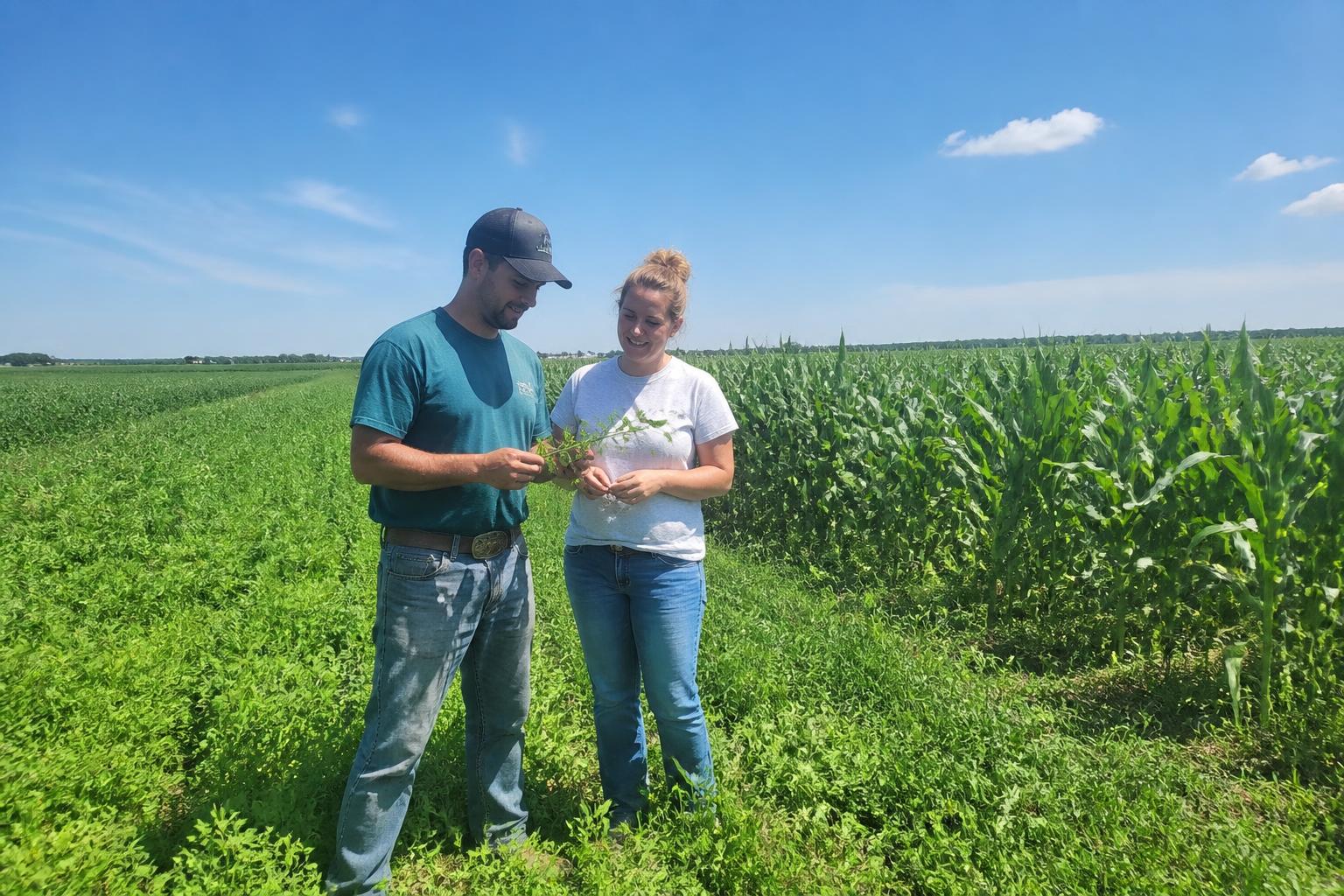
For Indiana agribusinesses and producers, the late summer window serves as a critical time to evaluate operational efficiency and policy developments. As the state's agricultural landscape continues to evolve, stakeholders are balancing the demands of day-to-day logistics with broader structural shifts within the industry. Understanding these changes is essential for maintaining a resilient and compliant operation as we head toward the final stretch of the season.
Key discussions in recent policy summits have emphasized the need for consistent standards in agricultural practices, particularly regarding the application of crop protection materials. Maintaining high stewardship standards not only supports long-term field health but also aligns with the regulatory scrutiny currently facing the sector. Producers and service providers alike are encouraged to stay informed on infrastructure updates that may influence local handling and application protocols.
Corporate Shifts and Local Impact
The agricultural landscape in Indianapolis and beyond is seeing significant corporate evolution. With major entities like Corteva navigating internal spin-offs and restructuring, local agribusinesses are paying close attention to how these changes impact product availability and research support. Maintaining a headquarters presence in the region helps ensure that local needs remain a priority, but producers should stay proactive in communicating with input suppliers to mitigate any potential supply chain adjustments.
These corporate movements often ripple down to the field level, affecting everything from seed portfolio availability to the latest integrated pest management tools. By monitoring these organizational shifts, farmers can better align their procurement strategies for the upcoming seasons, ensuring that their crop protection plans remain robust and adaptable.
What it means for the market
For the average Indiana operation, the current environment necessitates a dual focus: technical compliance and market awareness. Whether it is adjusting to new regulatory discussions or managing the logistics of crop inputs, those who prioritize detailed planning and open communication with their supply partners are better positioned to weather periods of industry transition. As harvest approaches, maintaining stable operational protocols will remain the benchmark for a successful season.
Comments
No comments yet - be the first to share your take.