
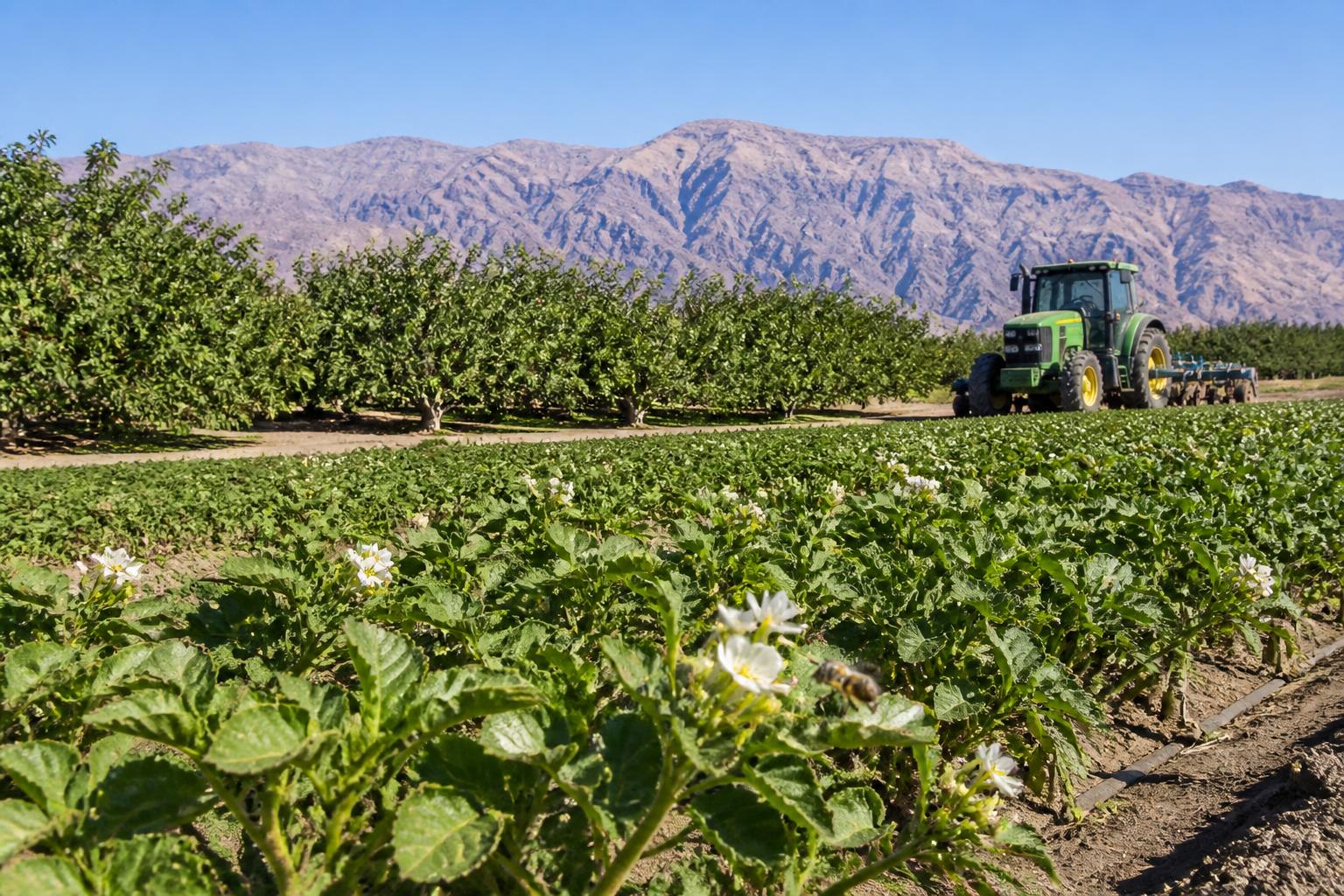
In the heart of the California agricultural corridor, logistics providers and input suppliers are refining their strategies to meet the shifting demands of late-summer operations. As producers manage crop cycles that require precision application and timely resource management, the integration of specialized freight and innovative soil health products continues to redefine operational benchmarks.
Efficiency in the supply chain remains a primary driver for many regional stakeholders. The strategic alignment of crop-specific transportation services helps ensure that inputs reach critical production zones across the state with minimal delay. This focus on logistical precision is essential, particularly as growers look to balance cost-effective procurement with the need for high-performing, sustainable nutrient solutions in a competitive California fertilizer market.
Emerging Trends in Soil Nutrition
Technology and sustainability are increasingly at the forefront of procurement decisions. Recent market movements indicate a growing interest in organic-based fertilizers, including products derived from circular economy processes such as converted livestock waste. These alternatives offer potential benefits for soil vitality and provide growers with another tool to manage input volatility.
Furthermore, early detection technologies for crop health are gaining traction. By integrating disease monitoring early in the growth cycle, producers can optimize their application of crop protection products, potentially reducing waste and improving overall field health across diverse regional commodities.
Key Takeaways for Producers
- Logistical Synergy: Utilizing specialized freight providers can offer significant advantages during peak harvest and application windows.
- Sustainability Shifts: Continued interest in bio-based and organic fertilizers may provide long-term cost benefits and soil health advantages.
- Proactive Management: Early identification of crop stressors through new tech-driven monitoring remains a vital strategy for protecting yields.
What it means for the market: As the season progresses, the combination of reliable transport networks and the adoption of innovative fertility products suggests a shift toward more resilient, tech-enabled farming models. Growers who prioritize both supply chain reliability and sustainable input strategies may find themselves better positioned to navigate the complexities of the California agricultural landscape throughout the remainder of the year.
Comments
No comments yet - be the first to share your take.