
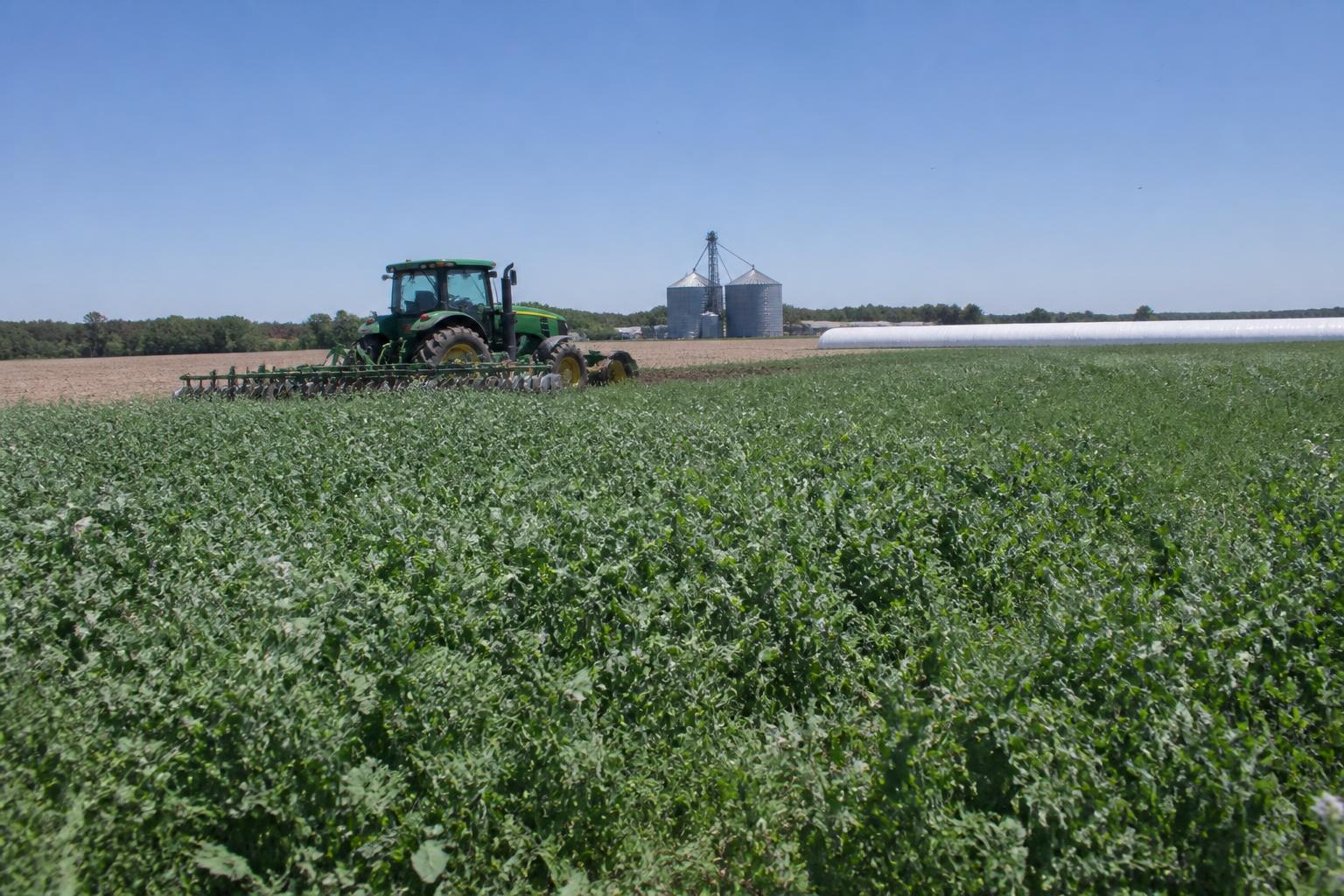
Mid-summer is a critical time for Indiana producers to evaluate the performance of their current soil health and fertility strategies. With the season well underway, attention is shifting toward the efficiency of nutrient applications and the foundational role of soil chemistry in maintaining crop vigor throughout the late summer heat.
Understanding the impact of ag lime quality is a central component of these efforts. Recent discussions emphasize that both particle size and Calcium Carbonate Equivalent (CCE) significantly influence how effectively a product can manage soil pH over time. For farmers planning their fall maintenance, choosing the right material ensures that subsequent nutrient applications—whether nitrogen or phosphorus—are working in an environment that maximizes availability rather than letting valuable inputs remain locked in the soil.
Evaluating Nutrient Management Practices
The conversation around fertilizer economics continues to evolve as producers weigh the potential for adjusting nitrogen rates. While maximizing yield is often the primary goal, evaluating the cost-to-benefit ratio of nitrogen inputs can lead to more resilient management plans. This careful calibration often relies on consistent soil testing and monitoring localized crop response throughout the growing season. Integrating these data-driven operational shifts allows for greater flexibility when market conditions fluctuate.
The Role of Regenerative Partnerships
Beyond individual field management, broader industry shifts toward regenerative agriculture are beginning to influence how inputs are sourced and managed across the Midwest. Partnerships between large-scale processors and producers aimed at carbon reduction often underscore the importance of precision application and sustainable soil management. By adopting practices that enhance soil structure and nutrient retention, Indiana agribusinesses are positioning themselves to meet long-term sustainability goals while maintaining consistent productivity across diverse regional landscapes, from the rolling fields of the south to the fertile plains of the north.
What it means for the market: Producers who prioritize precise soil pH management and evidence-based nutrient application are better equipped to handle the rising costs of inputs. As the industry moves toward more integrated sustainability frameworks, maintaining high-quality soil data and optimizing fertilizer timing will likely remain key competitive advantages for Indiana farmers looking to ensure crop viability for upcoming seasons.
Comments
No comments yet - be the first to share your take.