
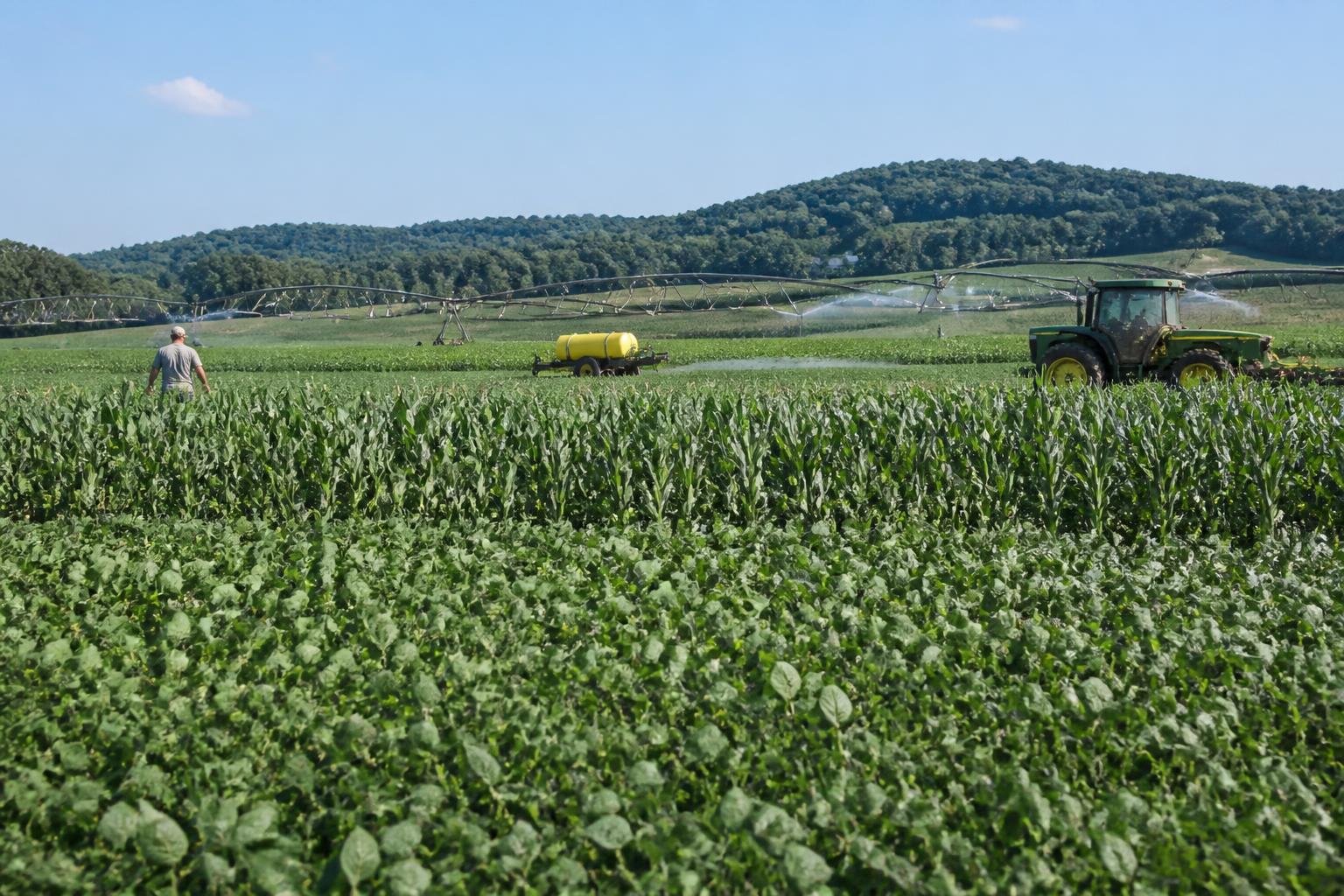
Adapting to Tennessee's Evolving Agricultural Landscape
As we navigate the heat of August, Tennessee agricultural stakeholders are keeping a close watch on regional policy developments that may influence future input availability and soil management strategies. For producers across the state, from the rolling hills of Middle Tennessee to the river bottoms, balancing nutrient applications with long-term soil conservation remains a priority.
Logistics and Resource Management
Effective nutrient management often depends on the intersection of timely supply chain access and local regulatory oversight. Operators should note that the state continues to focus on enhancing irrigation infrastructure and soil conservation programs, which are essential for those looking to maintain yields amidst fluctuating seasonal patterns. Staying informed on logistical updates and supply chain shifts is a practical way to mitigate risks during the busier periods of the agricultural calendar.
Building Operational Resilience
With an increased emphasis on agricultural technology and modernized conservation efforts, growers are exploring ways to optimize their inputs for both cost-efficiency and environmental stewardship. Whether integrating precision agriculture tools or evaluating new soil enhancement practices, the focus is on maximizing the potential of Tennessee's diverse farmland. Producers may find that staying aligned with current regional resource programs helps simplify complex procurement decisions. For those managing grain crops, aligning input cycles with strategic planting and health windows can provide a competitive edge as the fall transition approaches.
What it means for the market
The market for fertilizers and soil amendments in Tennessee is increasingly shaped by a dual focus: policy-driven soil conservation and the logistical necessity of reliable distribution. For agribusinesses and farmers, the current environment rewards those who track state-level agricultural initiatives and optimize their supply chains to account for mid-season shifts. While global technology trends provide a foundation, localized planning remains the most effective tool for managing your bottom line in the current climate.
Comments
No comments yet - be the first to share your take.