
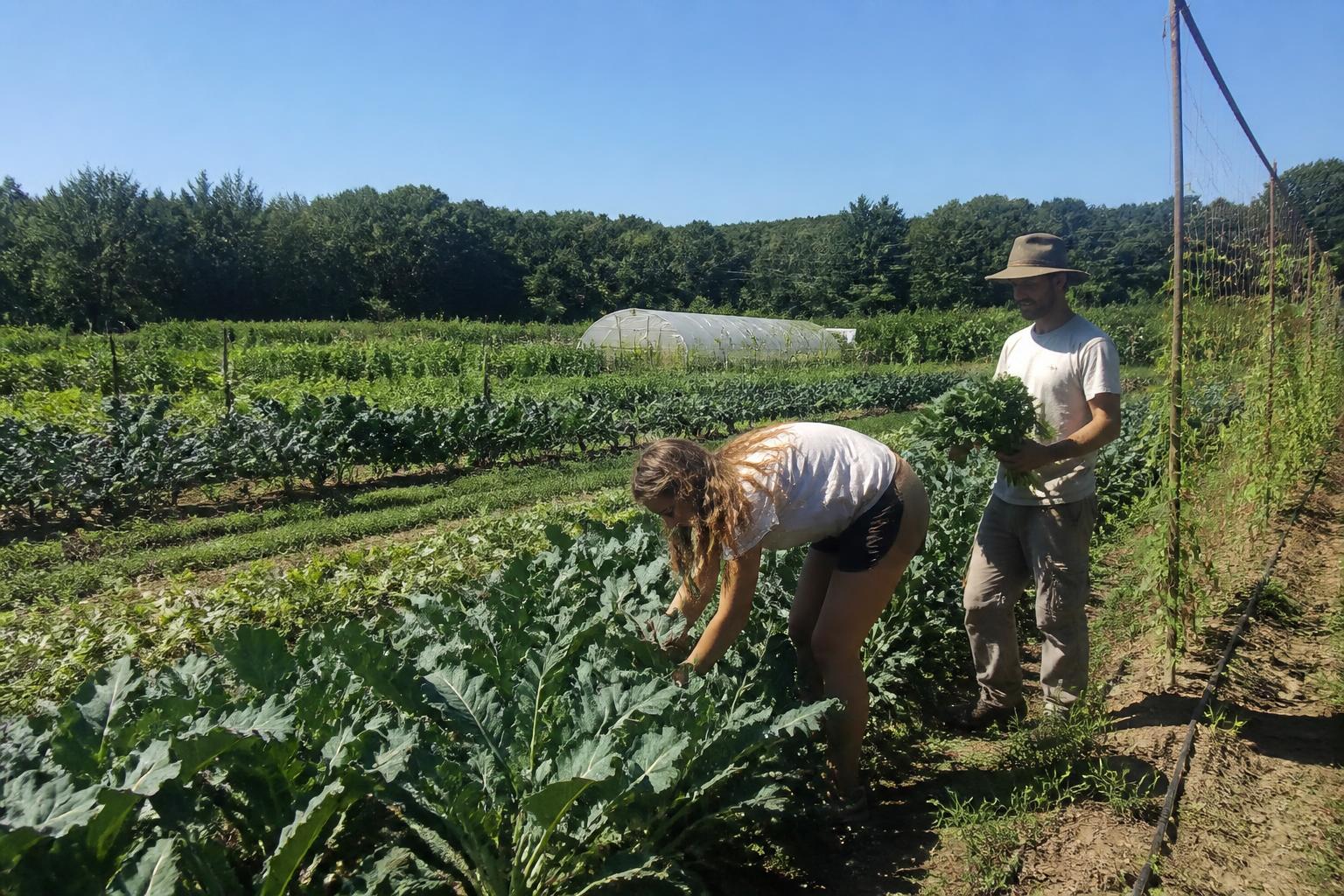
Mid-Atlantic agriculture is facing a period of transition as growers refine their nutrient management plans to address both environmental stewardship and rising input costs. With the current mid-summer harvest logistics putting a strain on field access and storage, efficiency in applying and sourcing fertilizers has become a primary focus for Maryland producers.
Adapting to Evolving Nutrient Regulations
Maryland producers continue to keep a close eye on phosphorus management tools and environmental policies that influence application rates. As regional scrutiny on nutrient runoff intensifies, many growers are reassessing their soil testing schedules to ensure compliance while maintaining optimal crop yields. The conversation around reducing nitrous oxide emissions, which are often tied to the demand for fertilizers, is increasingly influencing how operations approach long-term soil health and application timing.
Innovative Approaches to Poultry Waste
The state's robust poultry sector remains a focal point for waste-to-nutrient initiatives. With interest from international firms in managing agricultural byproducts, there is potential for local growers to see new market channels for organic soil amendments. These initiatives are not just about waste mitigation; they offer a practical avenue for farmers to potentially lower their reliance on synthetic fertilizers, providing a hedge against the price volatility that can affect commercial nutrient supplies during peak seasons.
Proactive Input Planning
As we move through August, supply chain predictability is essential. Given the potential for seasonal variability in demand, agricultural suppliers and cooperatives are encouraging producers to finalize their fall fertility requirements early. By leveraging current online professional resources, such as updated lawn and crop care manuals, growers can better align their practices with both state-led sustainability goals and the need for rigorous, cost-effective field management.
What it means for the market
For Maryland agribusinesses, the intersection of stricter nutrient oversight and new, sustainable processing options signals a need for greater agility. Producers should prioritize testing and strategic sourcing now to avoid potential late-season bottlenecks, while keeping a close watch on emerging partnerships that may reshape how organic and commercial fertilizers are distributed across the state.
Comments
No comments yet - be the first to share your take.