
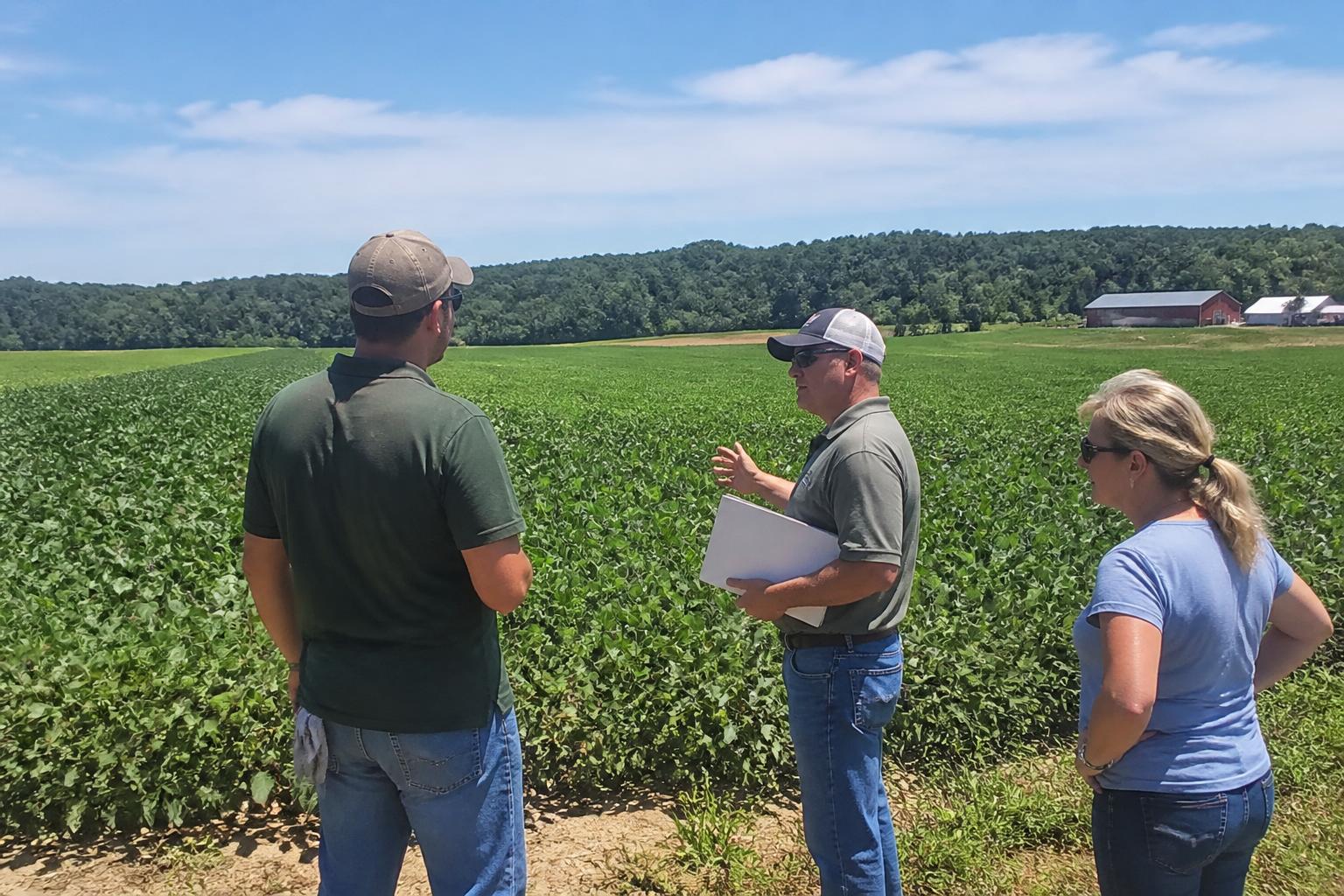
In Maryland, the height of the summer season brings a unique set of challenges for local producers. As crops mature under the mid-August sun, farmers in regions from the Eastern Shore to the rolling hills of Washington County are focusing on both field health and the logistical readiness required for a productive harvest season.
Effective resource management during these weeks is critical. Whether managing inputs or preparing grain handling facilities, efficiency remains the priority for agribusinesses. Understanding the local landscape, from navigating state highway weight restrictions to optimizing grain storage capacity, can often prove decisive as the window for harvest nears.
Refining Seasonal Logistics
For those managing heavy equipment or coordinating the movement of agricultural goods, the current season often demands proactive planning. While logistical channels remain active, producers should continue to account for the fluid nature of regional transport. Ensuring that infrastructure is prepared ahead of peak demand is a recurring theme for successful operations in this part of the state.
Furthermore, staying informed about managing seasonal margin risks allows operators to navigate the current economic environment with more confidence. Balancing input costs against fluctuating commodity output requires a vigilant approach to every stage of the production cycle, particularly as we look toward late-summer planning.
Stewardship and Field Longevity
Field maintenance continues to be a primary focus for many Maryland operators. Beyond the immediate task of crop development, long-term land management, such as soil health preservation, plays a vital role in ensuring farm viability. As more acreage is brought under permanent preservation, the importance of sustainable stewardship becomes even more pronounced for the next generation of growers.
What it means for the market: For grain handlers and transport providers, now is the time to finalize arrangements for the upcoming months. By anticipating potential bottlenecks and securing storage and transport capacity early, businesses can better mitigate the impact of mid-summer logistical shifts and position themselves to handle the incoming harvest with minimal disruption.
Comments
No comments yet - be the first to share your take.