
California grain markets are currently navigating a landscape defined by significant price fluctuations and complex supply chain considerations. While producers across the Central Valley and other key agricultural hubs work through their summer operations, market participants are keeping a close eye on global signals that often dictate the floor for local wheat and feed grain valuations.
For many agribusinesses, the current period represents a strategic window to assess how global shipping pressures and logistical constraints affect local inventory management. Producers and grain elevators may find that while export demand remains a primary driver, the cost of moving product within the state continues to be an essential factor in maintaining operational margins.
Navigating Market Swings
Recent patterns in the broader grain sector suggest that wheat and other commodity prices are experiencing notable swings. While global issues, including international export bottlenecks, often dominate headlines, the impact on California is felt primarily through local supply dynamics. Grain handlers are encouraged to stay informed on regional price shifts by following the latest data on grain buyers, sellers, and pricing trends in California to better time their market entries.
Efficiency and Operational Resilience
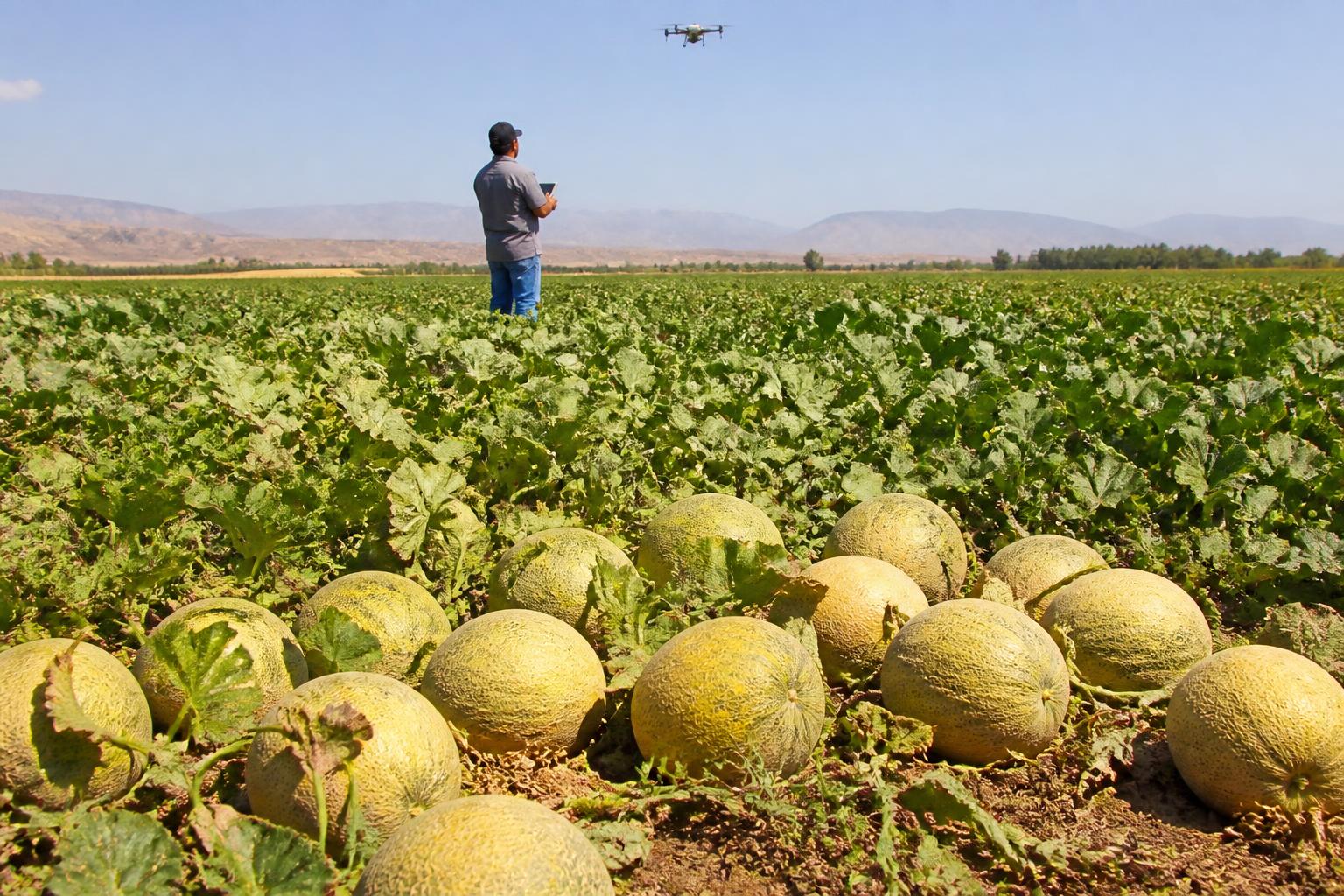
Beyond commodity prices, California agriculture is seeing a shift toward greater operational efficiency. Innovation remains a priority as growers manage the ongoing pressure of state regulations. Many are looking toward improved technology, such as the increased adoption of drone monitoring, to streamline field management during the busy summer months. Staying competitive in this environment requires a proactive approach to managing rising input costs and seasonal pressures that can fluctuate without warning.
What it means for the market
The current volatility serves as a reminder for California stakeholders to prioritize agility. Whether dealing with harvest-time logistics or adjusting to shifts in the California fertilizer market, maintaining a clear view of both local and macro-economic trends is essential for protecting profit margins throughout the remainder of the season.
Comments
No comments yet - be the first to share your take.