
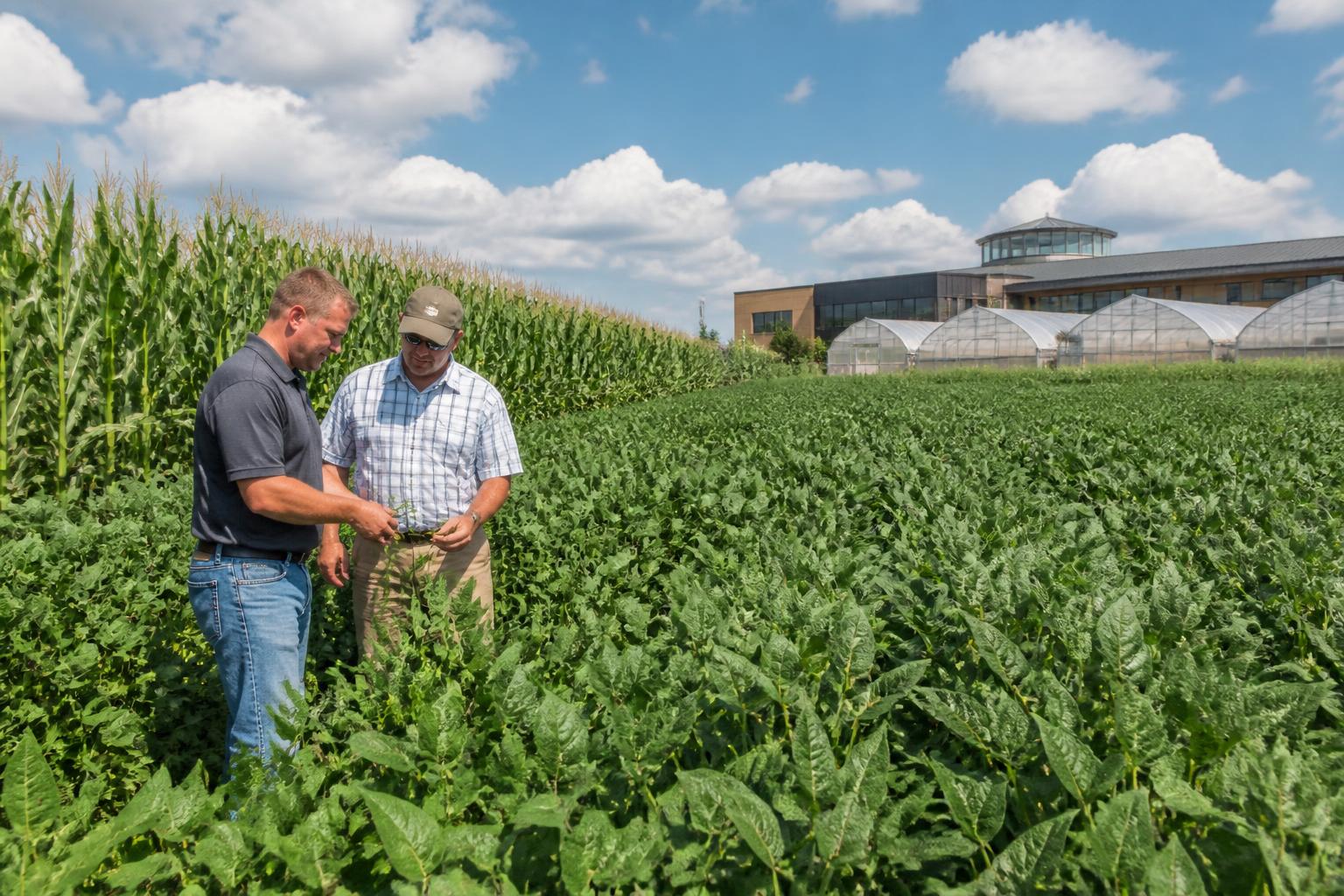
As we navigate the tail end of August, Louisiana producers are closely monitoring crop performance amid typical late-summer heat. While the management of local logistical pressures remains a primary concern for elevators and shippers across the state, the broader market landscape continues to be influenced by evolving infrastructure needs and variable yield outlooks.
Input Costs and Market Variables
Producers are balancing the reality of elevated input costs with potential opportunities in soybean and corn markets. While global tensions have exerted upward pressure on input prices, many operators are looking toward ongoing ethanol expansion and localized demand shifts to support margins. In some parts of Louisiana, the focus remains on field-level efficiencies, including research into soil management and moisture retention techniques to help crops better withstand environmental stressors.
Regional Logistical Context
Efficient movement of grain continues to be the backbone of the Louisiana agricultural economy. Producers and handlers remain vigilant regarding logistical hurdles and water levels, which frequently dictate the flow of commodities through our primary corridors. As the harvest season approaches, the reliability of rail and barge transit remains essential for maintaining competitive basis levels in the Gulf region.
Looking Ahead
Strategic planning for the upcoming cycle is already underway, with many farmers integrating lessons from this summer’s weather patterns into their decision-making. Whether addressing infrastructure constraints or seeking better options to buy and move grain, adaptability continues to define the success of our state's agribusiness sector.
What it means for the market: For farmers and handlers, the current environment necessitates a proactive approach to supply chain management. Expect basis volatility to persist as harvest logistics ramp up; maintaining close communication with local buyers and logistics providers can help mitigate the impact of regional transport bottlenecks as we move toward the fall.
Comments
No comments yet - be the first to share your take.