
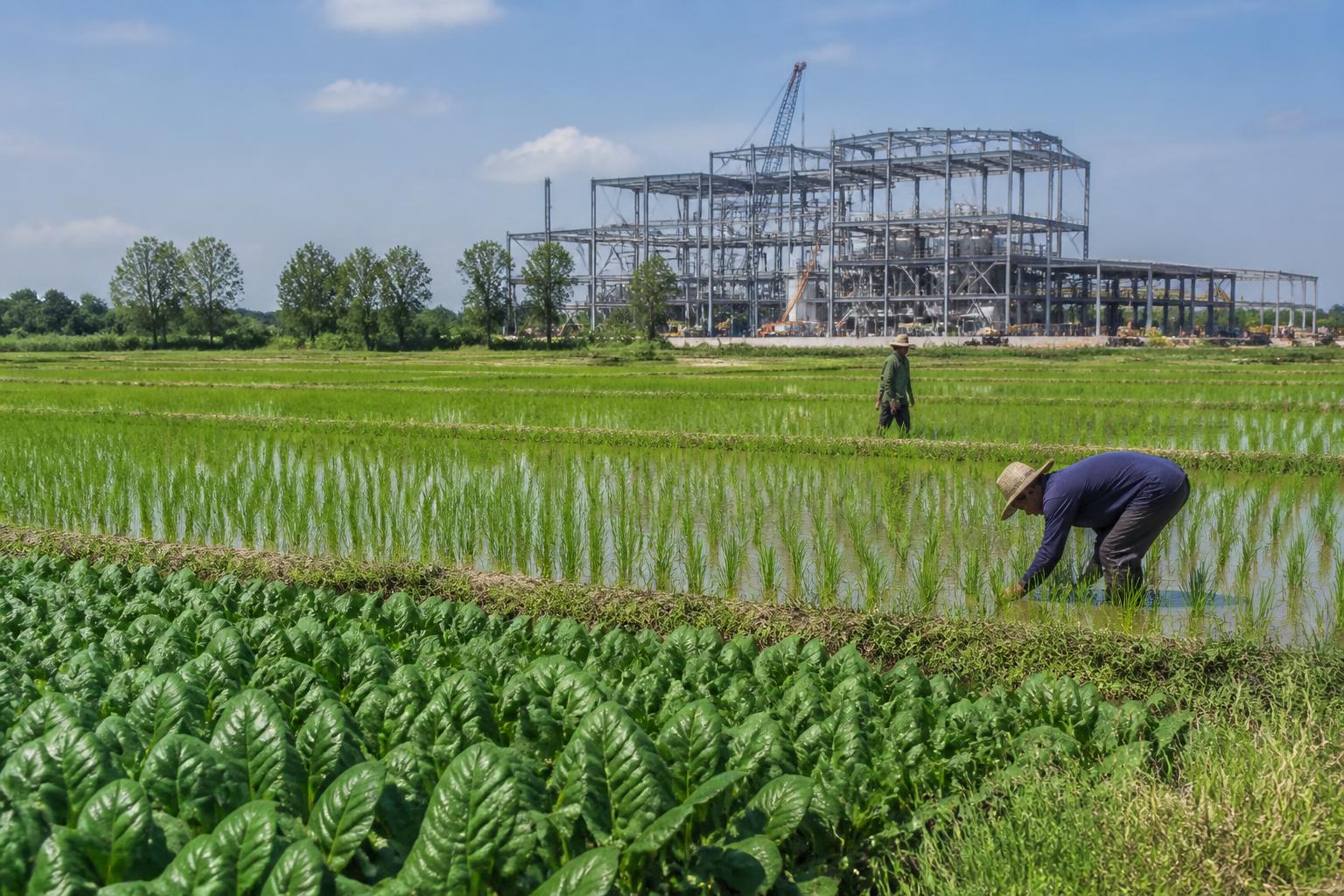
Arkansas farmers are increasingly feeling the squeeze of a challenging economic environment as they move through the late summer season. With persistent pressure from elevated input costs and softening output prices, many producers are facing difficult decisions regarding the long-term viability of their operations. For those managing row crops, current market conditions have intensified the need for strict budgetary oversight, leaving some to evaluate their future in the sector.
Infrastructure and Regulatory Landscape
Despite the broader financial strain, the state is seeing localized growth in value-added processing. The recent groundbreaking of a substantial food manufacturing facility in Jonesboro serves as a signal of continued interest in the region's agricultural output. Such developments may offer new opportunities for supply chain integration, provided producers can maintain profitability in the face of ongoing production volatility. Managing production pressures remains a top priority for growers looking to balance output against rising overhead.
Managing On-Farm Risks
Beyond fiscal concerns, the Arkansas agricultural community is contending with ongoing biological threats. State agencies continue to monitor the spread of invasive plant species and adjust regulatory frameworks regarding pests. These factors, combined with potential shifts in livestock market fundamentals, underscore the complexity of managing a diverse farming operation today. For beef producers, the outlook remains constrained by low herd numbers, which may sustain pricing pressure for the near term.
What it means for the market
The convergence of high operational costs and market price instability suggests a tightening of regional agricultural capacity. For grain handlers, input suppliers, and logistics providers, this environment dictates a more cautious approach to seasonal planning. As the state moves past the current harvest cycle, the focus will likely shift toward risk mitigation and operational efficiency as a primary means of weathering these sectoral headwinds.
Comments
No comments yet - be the first to share your take.