
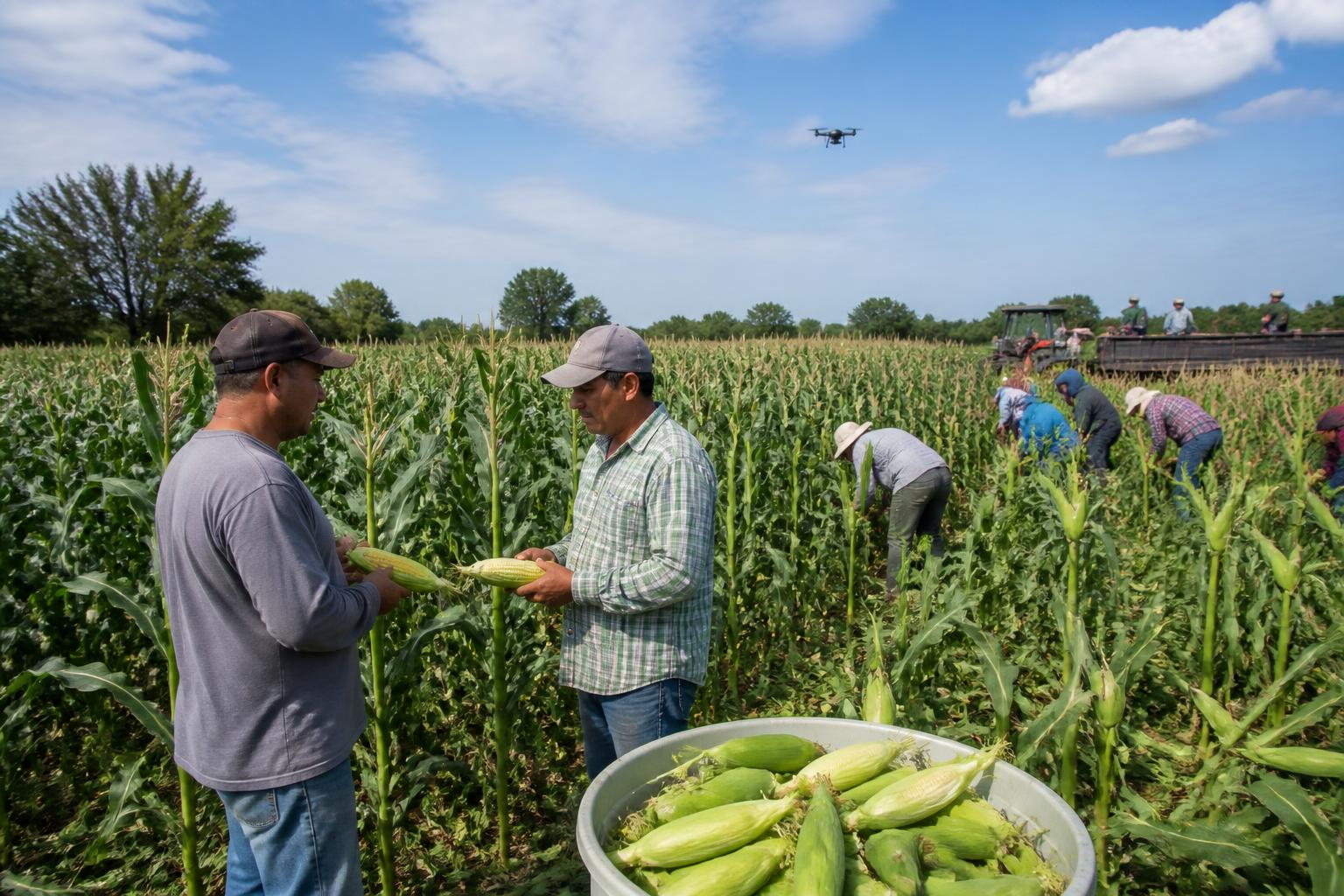
As August draws to a close, Colorado agricultural producers are navigating a period of significant logistical and economic adjustment. With the growing season shifting, farmers across the plains and mountain valleys are closely monitoring input expenses, particularly as operational efficiency in grain markets remains a top priority for those managing tight margins.
Evaluating Input Expenses
For many Colorado agribusinesses, the current focus is on managing fertilizer and operational inputs amidst a broader context of fluctuating storage costs. While local markets react to national trends, producers are increasingly looking for ways to optimize application strategies. The persistence of drought concerns in certain parts of the state continues to influence decision-making, forcing operators to weigh the necessity of current inputs against potential yield variability.
Logistical and Structural Pressures
The state's agricultural infrastructure faces ongoing challenges, ranging from the costs associated with grain storage to the complexities of regional transport. Elevators and co-ops in various counties are often under pressure to maintain fluid operations during these transitional weeks. This is compounded by the need for producers to maintain a clear view of their input balance sheets, ensuring that long-term sustainability is not sacrificed for short-term fixes.
What it means for the market
Farmers and input buyers in Colorado should anticipate continued scrutiny of operational expenses throughout the coming weeks. While external factors such as trade dynamics and potential farm aid programs remain part of the broader conversation, individual success will likely depend on granular management of local resources and timing input purchases to mitigate the impact of persistent, elevated storage and transport overheads.
Comments
No comments yet - be the first to share your take.