
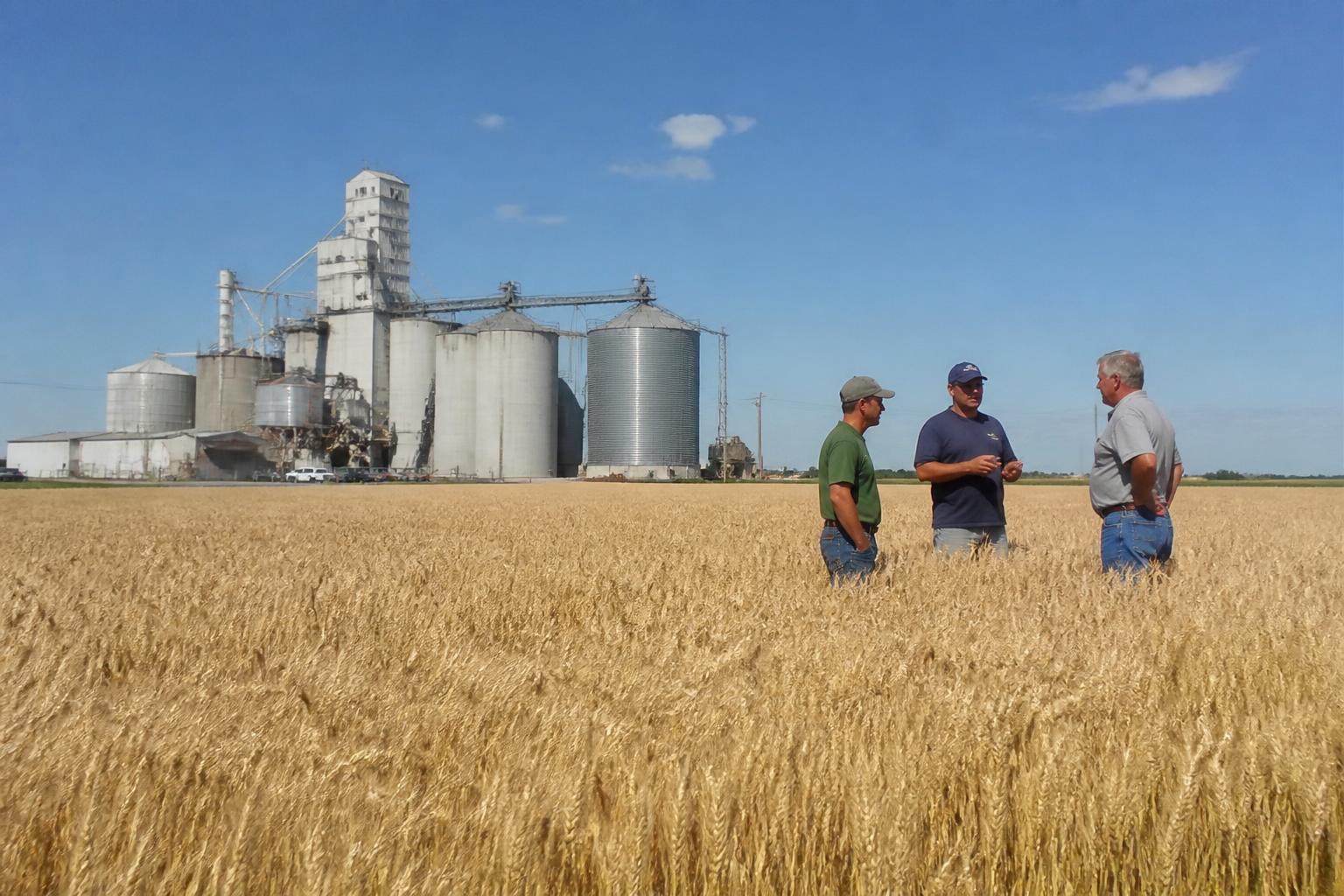
Optimizing Grain Logistics
For Colorado farmers and grain handlers, the mid-summer period is often defined by the balance between field maintenance and the necessary logistical preparation for upcoming harvest cycles. Enhancing operational efficiency, whether through localized handling improvements or better integration with regional cooperatives, remains a top priority for those looking to maintain margins.
As grain facilities continue to adapt to changing throughput needs, regional operators are often focused on streamlining, which can include investing in modern handling equipment or optimizing grain storage layouts. Ensuring that your local facility is well-equipped to manage seasonal volume spikes can prevent bottlenecks when the tempo of the harvest accelerates. For more insights on how to adapt to these shifts, you can read more about navigating operational resilience in the local market.
Managing Costs and Market Uncertainty
While the focus is often on yield, current market conditions highlight the importance of balancing production costs with available market information. Input management, including the strategic use of fertilizers and the consideration of seed shelf life, plays a significant role in farm profitability. Furthermore, keeping a close eye on the broader landscape is essential, especially when federal policy or data reporting shifts occur, as seen in previous instances where global uncertainties influenced the grain market outlook.
Understanding the interplay between your specific cost of production and regional price trends is critical for informed decision-making. Producers who prioritize consistent market assessment are better positioned to respond to fluctuations in the wheat market and other staple commodities. For those looking to streamline their sales process, it is useful to examine current strategies to sell grain in Colorado effectively.
What it means for the market
For the Colorado agricultural community, the remainder of the summer requires a dual focus on current crop oversight and future-proofing operations. With input costs remaining a central factor in wheat and row crop profitability, proactive management at the co-op and farm level is the most reliable way to mitigate risk. As we move closer to the fall, staying connected with regional logistical shifts will be the key differentiator for success in a competitive environment.
Comments
No comments yet - be the first to share your take.