
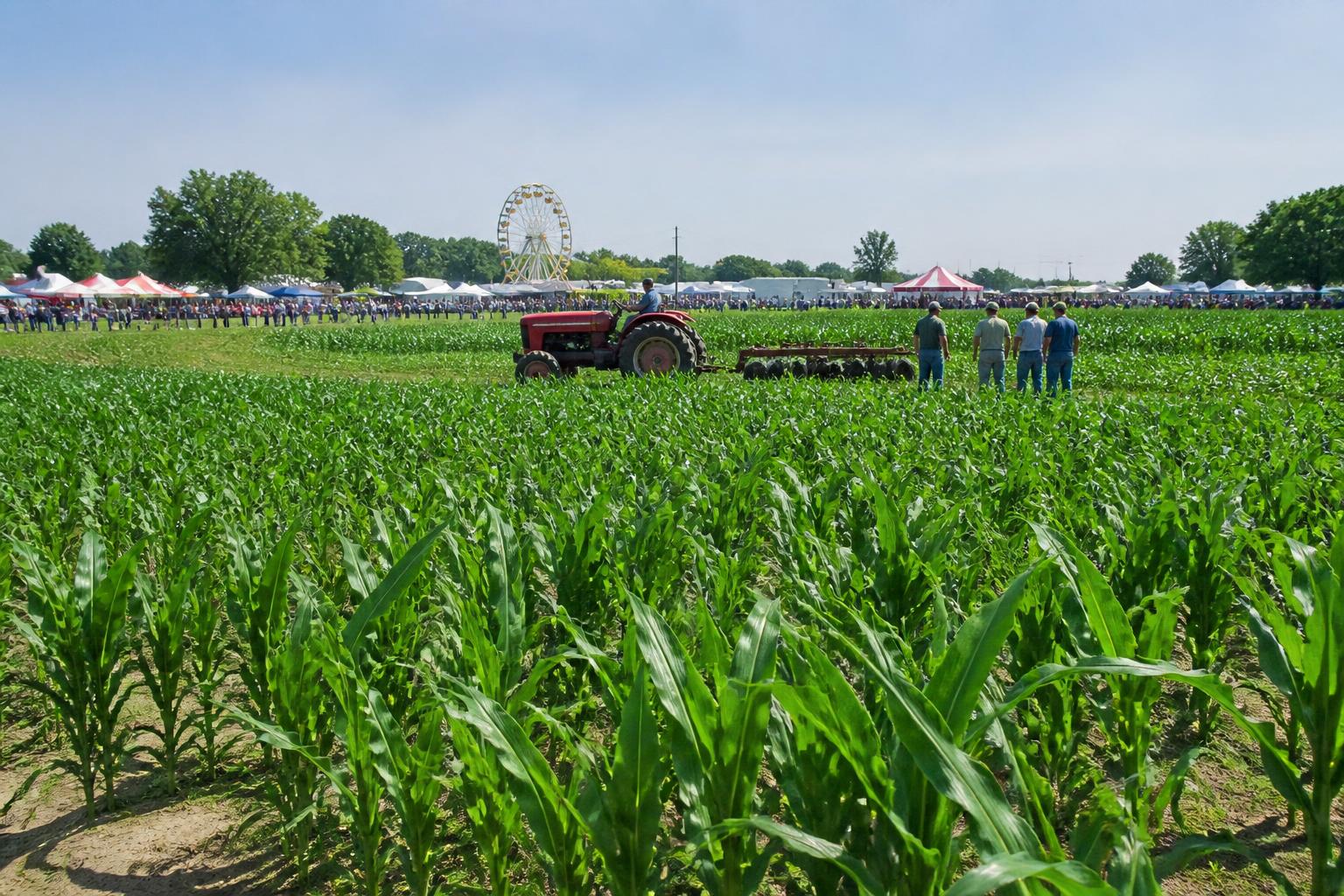
With August heat hanging over Iowa fields, the focus for grain handlers and producers is shifting rapidly toward the upcoming harvest. As operations prepare for the seasonal influx of activity, logistics remain a critical bottleneck. Maintaining a fluid supply chain is essential, especially as recent shifts in the industry, such as changes in regional transport capacity, continue to impact how grain moves from elevators to end-users.
For those managing input costs or looking to optimize regional supply chains, staying ahead of potential disruptions is paramount. Understanding how local midwest logistics networks handle peak seasonal demand can provide a competitive edge for elevators and carriers alike. In many parts of Iowa, the challenge lies in balancing these infrastructure constraints against the current economic environment, where farmers continue to navigate tight margins despite potential easing in some input prices.
Navigating Market Pressures
The agricultural economy in Iowa is currently characterized by a cautious outlook. Experts note that while some inflationary pressures may be cooling, the overall margin compression continues to be a central theme for producers. This financial environment often necessitates smarter logistical choices, including better route planning and early coordination with local carriers to avoid the worst of the harvest-time congestion.
Strategic Planning for Harvest
As fields transition through their final growth stages, the threat of early weather events remains on the radar. Both grain quality and transport availability can be influenced by the timing of the first frost, making flexibility in storage and transportation plans a valuable asset. Successful operations are typically those that maintain proactive communication with their transport partners well before the first loads of corn or soybeans reach the scales.
Key Takeaways:
- Proactive scheduling with carriers can help mitigate delays as harvest volume intensifies.
- Monitoring regional transportation shifts is vital to avoid unexpected bottlenecks in grain movement.
- Financial resilience is being prioritized by producers as they manage ongoing cost pressures across their operations.
What it means for the market
For Iowa agribusinesses, the late-summer period serves as the final window to stress-test logistical chains. By focusing on operational efficiency and maintaining strong relationships with freight providers, stakeholders can better protect their margins and ensure that grain reaches its destination, even if regional infrastructure continues to face significant seasonal strain.
Comments
No comments yet - be the first to share your take.