
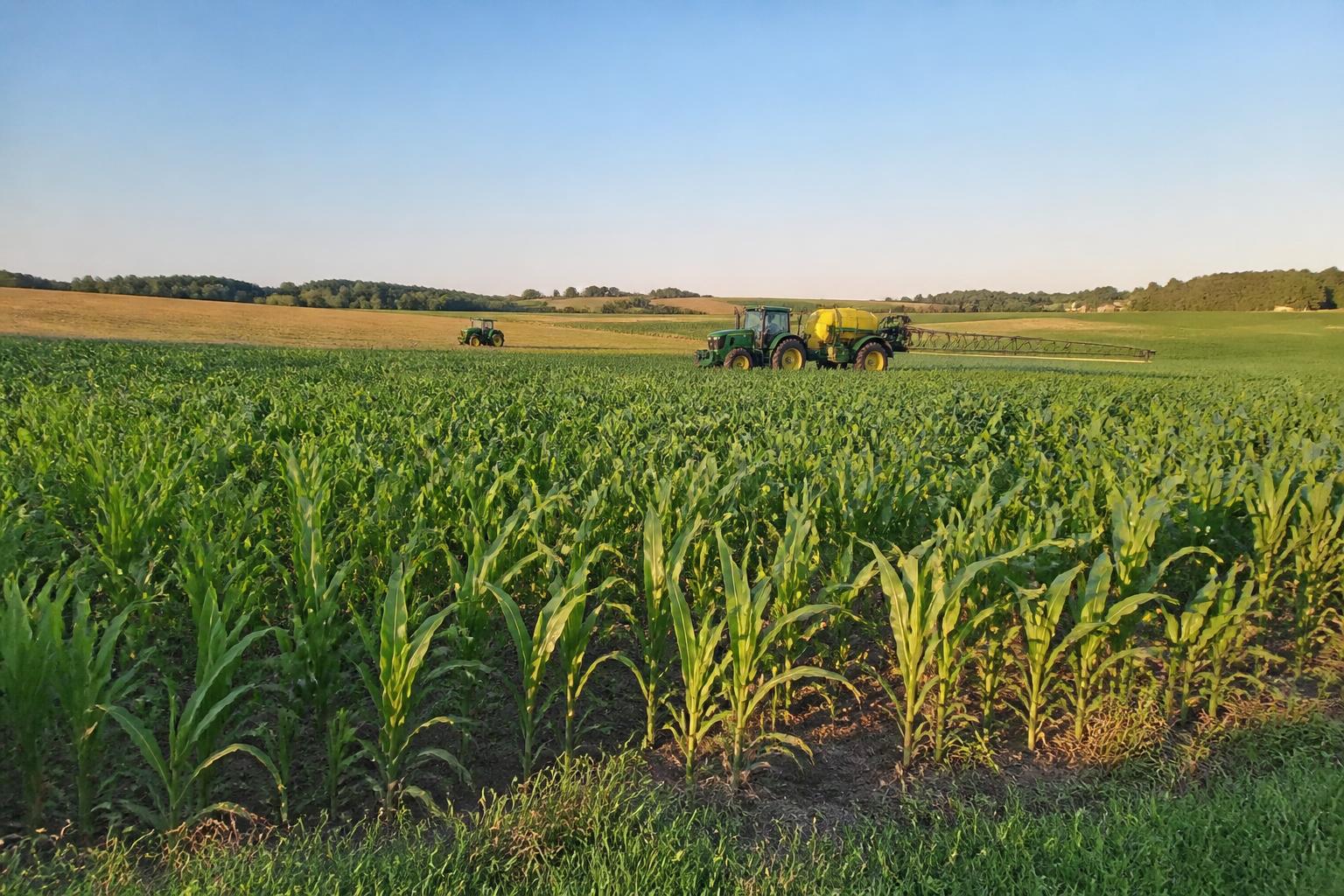
As the late-summer window progresses in South Dakota, agricultural logistics are adjusting to the realities of regional field conditions. While many producers have moved forward with their seasonal operations, persistent wet ground in certain northeastern counties continues to influence the pace of field activity and the subsequent flow of commodities. These localized conditions often require regional elevators and trucking fleets to remain flexible as they plan for near-term inventory movement.
Infrastructure and Regional Flow
The state's transportation network remains critical to maintaining efficient supply chains during this period of high activity. Recent state-level initiatives and grants aimed at enhancing economic development and infrastructure underscore the ongoing need to support rural transport corridors. For local agribusinesses and carriers, monitoring localized road conditions and potential weight restrictions remains a standard operating procedure, especially as producers begin preparing for upcoming harvest volumes. Understanding logistical challenges in South Dakota helps stakeholders anticipate bottlenecks before they impact delivery schedules.
Market Considerations for Producers
Beyond immediate transport, the broader agribusiness landscape is seeing shifts in how inputs and outputs are managed. The potential for increased ethanol blends continues to be a topic of interest for the corn sector, influencing long-term expectations for commodity demand. Simultaneously, producers are evaluating their own supply chain resilience, with many looking at how improved infrastructure and efficient logistics can better align with broader market goals. Operators should keep a close eye on local storage capacity as transport routes and freight demand fluctuate throughout the remainder of the summer.
What it means for the market
For South Dakota farmers and grain handlers, the focus is on maintaining steady, reliable movement of goods despite variable moisture levels in the northern tier. Strategic planning for transportation—balancing current localized constraints against the broader need for efficient throughput—will be essential for managing margins as the industry moves toward the busier autumn months.
Comments
No comments yet - be the first to share your take.