
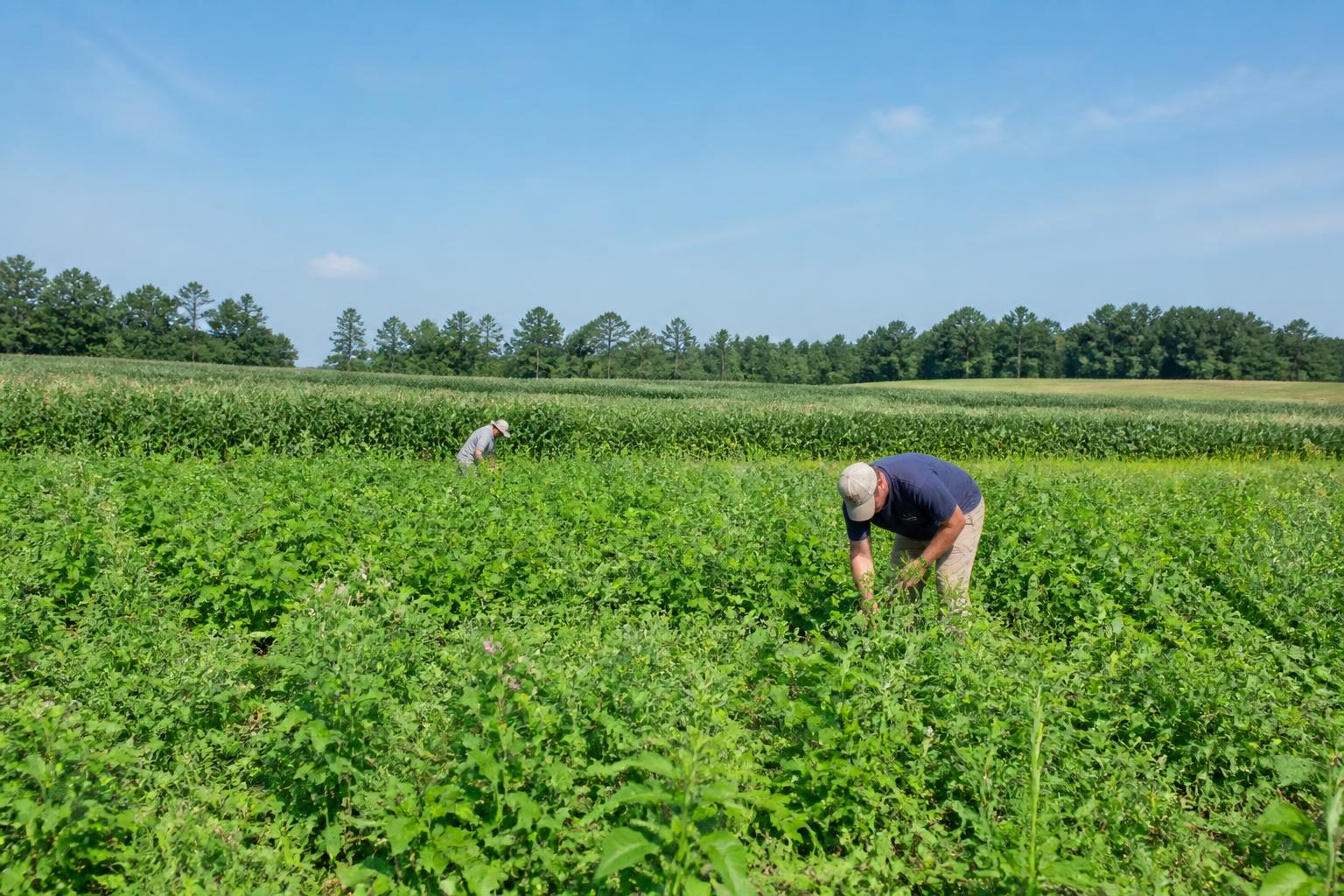
South Carolina's agricultural logistics sector is seeing a period of notable activity this August, as the state's infrastructure continues to adapt to the demands of a modern, multi-modal supply chain. For regional grain handlers and agribusinesses, the recent performance of critical nodes like Inland Port Dillon, which has reported high rail container volumes, highlights the growing reliance on integrated rail-to-port pathways to move commodities efficiently toward international markets.
This increased capacity is vital as the agricultural sector looks to streamline operations. The development of new cold storage facilities near the Port of Charleston is poised to offer additional flexibility for perishables, providing growers with better access to cooling infrastructure that can preserve product quality before final transport. These investments are essential for maintaining the state's competitive edge in both domestic and export markets.
Infrastructure and Regional Growth
The state's geographic advantage, paired with robust investment in transportation corridors, continues to support farmers in high-output regions. Whether moving traditional row crops or transitioning toward specialized organic operations, the reliability of state infrastructure is a frequent topic of discussion among regional stakeholders. Improved logistics networks often mean less downtime for equipment operators and more predictable delivery windows for buyers, which are critical factors during the busy late-summer window.
Strategic Planning for Supply Chain Efficiency
As farmers assess navigating late-summer logistics and supply chain pressures, focusing on direct-to-port transit or optimized inland rail connections can mitigate some of the common bottlenecks that emerge during peak harvest cycles. Utilizing these expanded inland hubs allows for better load consolidation and can help reduce the frequency of short-haul trucking requirements, which are often susceptible to congestion near coastal hubs.
What it means for the market
For South Carolina producers and handlers, the current logistics trend indicates a shift toward greater integration between rail and sea transport. While global market uncertainties remain a backdrop for overall export pricing, the localized benefit of improved infrastructure is clear. Agribusinesses should continue to monitor capacity reports at major regional ports and consider how expanded cold storage and rail accessibility can reduce operational overhead and improve the speed-to-market for the upcoming season's harvest.
Comments
No comments yet - be the first to share your take.