
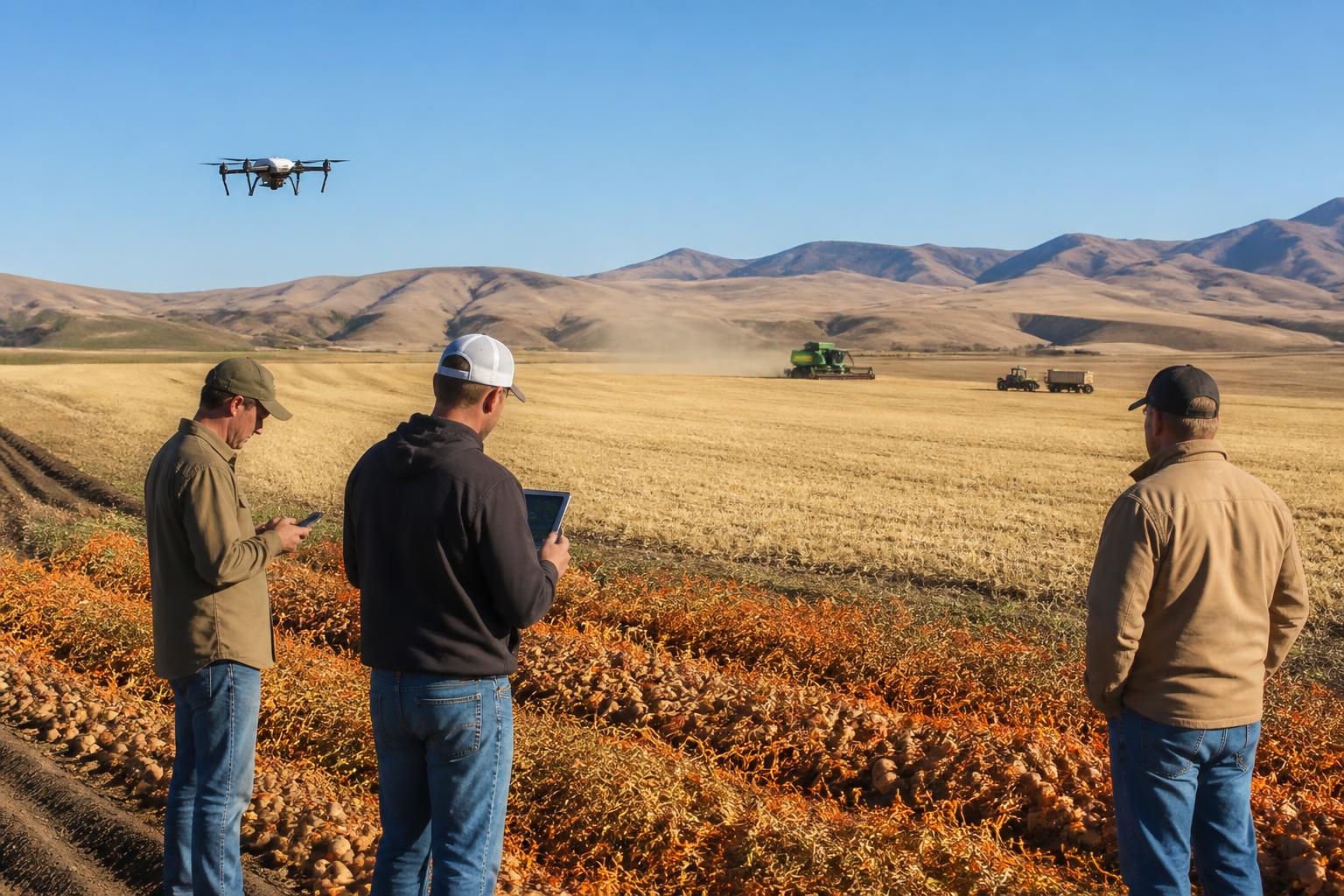
As the fall harvest season gains momentum across Idaho, farmers and logistics partners are focusing on the critical link between field output and storage capacity. With regional elevators seeing increased traffic, maintaining steady flow remains a top priority for those transporting wheat, potatoes, and other seasonal commodities. Efficient load-outs and optimized transit times are essential as the state's infrastructure manages the typical surge in activity.
Producers are balancing these seasonal pressures with ongoing investments in local capacity. Recent upgrades at facilities like the Simplot Grower Solutions site in Rupert reflect a broader commitment to stabilizing the regional supply chain. For many operations, this means coordinating closely with carriers to manage weight restrictions on rural roads and ensuring that scheduling avoids the peak congestion often seen during the height of the harvest.
Optimizing Logistics and Storage Coordination
Managing the flow of commodities requires a proactive approach to regional transport corridors. As grain and potato volumes reach their seasonal peak, producers and storage managers are leveraging better coordination to prevent bottlenecks. Understanding the nuances of seasonal harvest flow can help operators anticipate delays and adjust their logistics plans accordingly. Given that fertilizer and input needs often overlap with late-season logistics, keeping a close eye on transport availability is a prudent move for any agribusiness.
Navigating Market and Operational Pressures
Idaho's agricultural sector continues to adapt to broader market challenges, from managing commodity price fluctuations to integrating new technology. For many growers, the focus has shifted toward operational resilience and finding efficiencies in the face of rising costs. Those looking to refine their tactical adjustments for harvest may find that current conditions reward those who prioritize early planning and storage management. Integrating data-driven insights into daily operations, such as drone surveying, is also becoming a more common practice to monitor crop health and field conditions in real time.
What it means for the market
For Idaho's grain handlers and transport providers, the coming weeks are defined by the need for high-velocity throughput and reliable communication. By staying ahead of logistics trends and maintaining efficient links between storage and distribution networks, regional stakeholders can better navigate the competitive pressures of the fall season. Efficiency in the local supply chain remains the most effective hedge against broader volatility, helping to ensure that the harvest makes it from the field to the buyer without unnecessary delays or increased overhead.
Comments
No comments yet - be the first to share your take.