
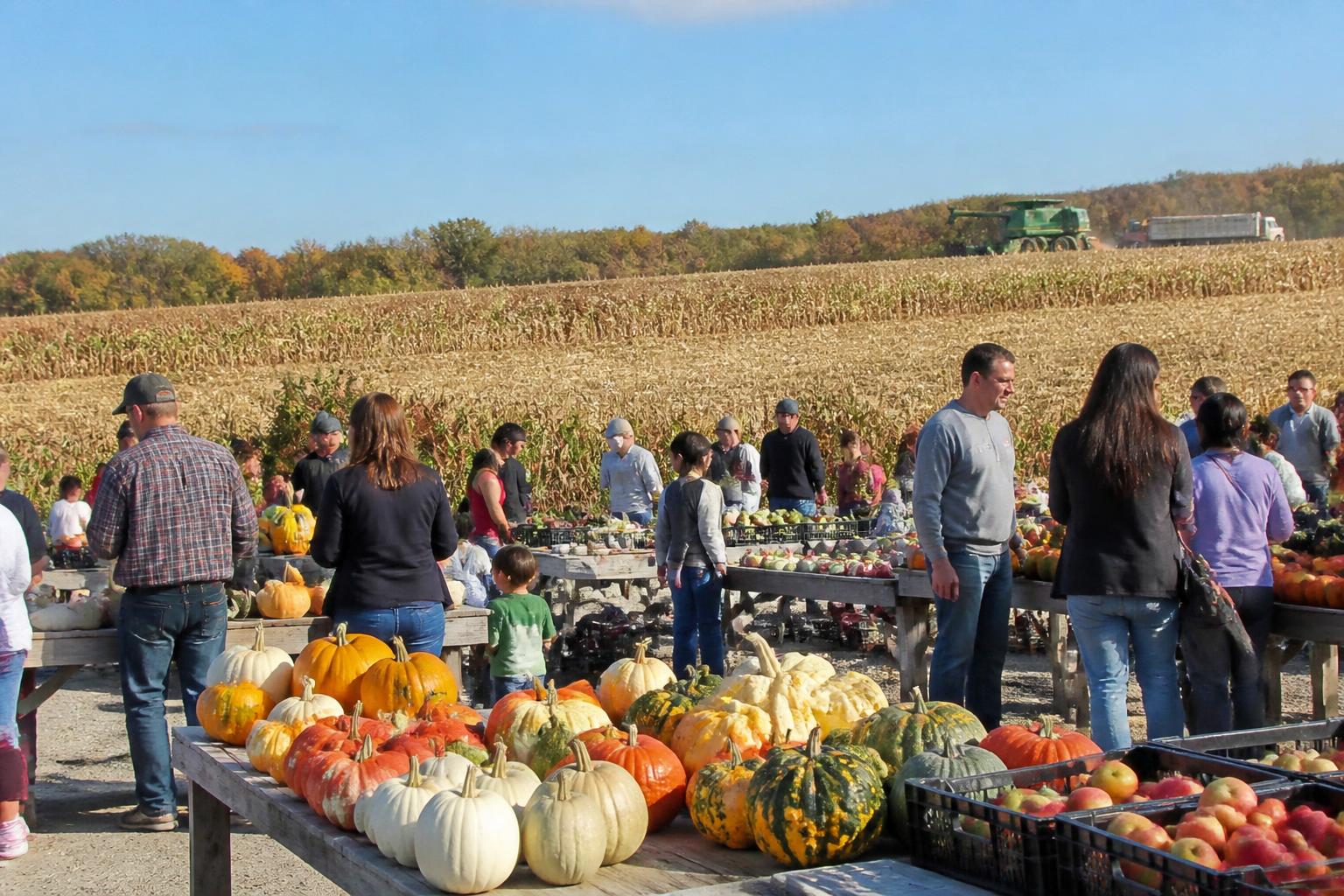
As we move deeper into the fall season, Maryland producers are turning their attention toward the upcoming harvest. With fields reaching maturity across the Eastern Shore and central counties, the focus for many farm operations is shifting from production to the critical task of moving grain efficiently to local elevators and processing facilities.
Producers are balancing these seasonal demands against a backdrop of ongoing infrastructure challenges. In some regions, recent disruptions to major transit corridors continue to ripple through the agricultural supply chain, affecting the reliability of traditional transport routes. Navigating these constraints requires proactive communication with grain handlers to avoid bottlenecks during peak activity.
Managing Infrastructure and Input Pressures
Beyond logistics, farmers are increasingly evaluating how to best manage their operational margins. In many parts of Maryland, there is a growing interest in balancing grain infrastructure preservation with urgent logistical needs, as handlers work to maintain capacity while managing older site infrastructure. Efficiency remains the priority, especially as producers consider how to optimize storage and transport timing.
Furthermore, producers are continuing to leverage precision agriculture tools to better manage their input costs. By refining fertilizer applications, many operations are finding ways to mitigate rising resource pressures and improve their bottom-line resilience as they head into the off-season.
What it means for the market
For grain handlers and agribusinesses in Maryland, the current market environment demands a heightened level of flexibility. With potential transit delays and infrastructure capacity issues, early coordination regarding delivery schedules and storage space is essential. Farmers who prioritize logistics planning during this harvest window may be better positioned to mitigate the impact of ongoing regional transit limitations.
Comments
No comments yet - be the first to share your take.