
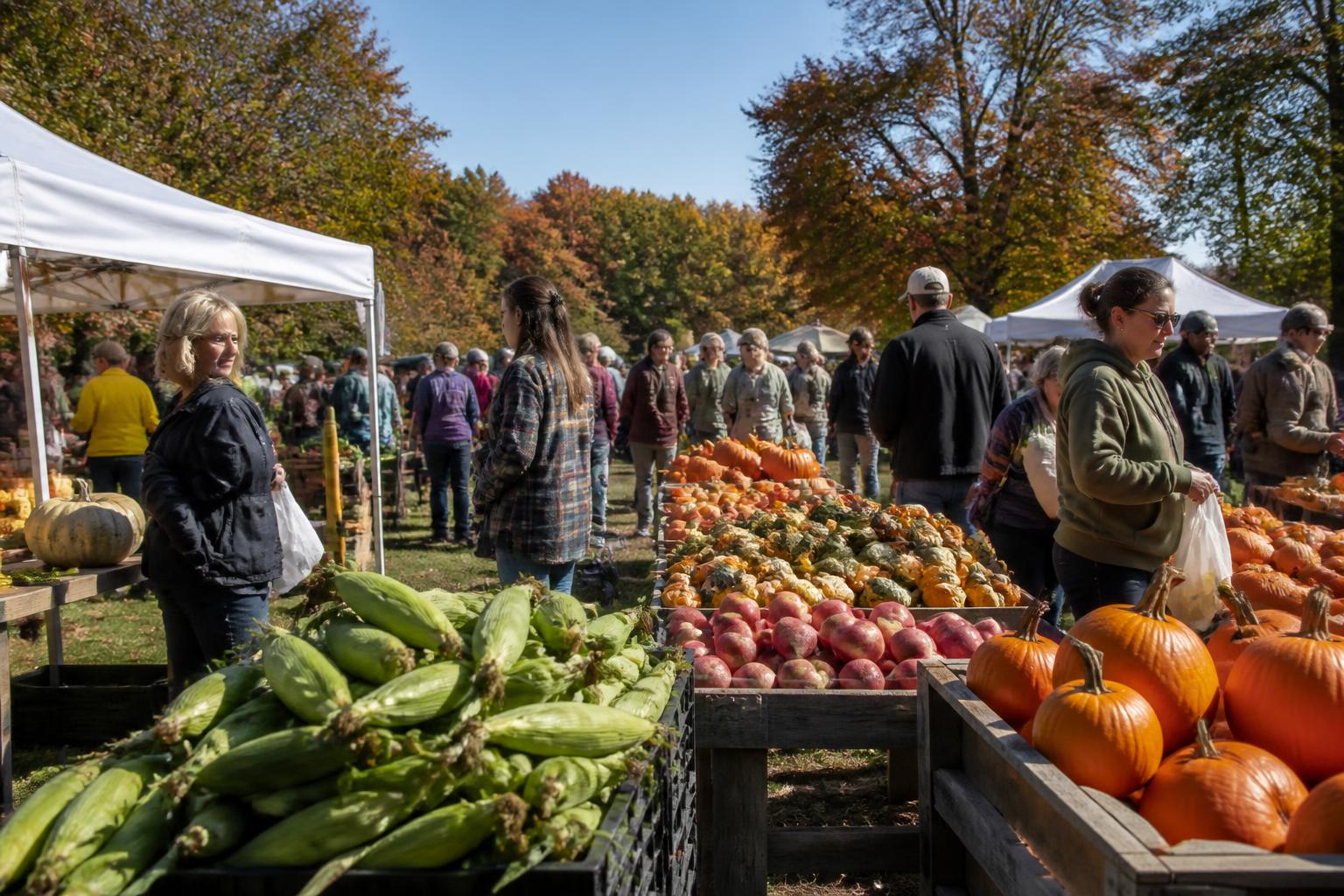
As the fall harvest season gathers momentum across New Jersey, agricultural producers are increasingly focused on the precise intersection of field logistics and resource management. From the fertile fields of South Jersey to the productive corridors in the north, the current window requires a careful balance between maximizing crop yields and navigating the inherent complexities of seasonal supply chains.
For many farm businesses, this period often involves fine-tuning logistics for harvest operations, ensuring that machinery and labor are aligned to meet peak maturity windows. Efficient transport from field to local hubs remains critical, as farmers look to maintain the quality of their produce while controlling overhead costs in an environment where logistics stability can fluctuate.
Refining Input and Operational Strategies
Managing the bottom line continues to be a priority for Garden State agribusinesses. Many producers are evaluating their long-term approaches to soil fertility and pest management, utilizing both traditional methods and emerging digital tools to optimize inputs. The current market environment emphasizes the importance of financing options that allow growers to maintain essential operations without overextending during the high-activity harvest months.
Strengthening Regional Market Resilience
New Jersey's agricultural sector often thrives on its ability to reach regional consumer markets quickly. As growers move their crops to processors or direct-to-consumer outlets, the reliability of local infrastructure remains a focal point for the industry. While national or international logistics challenges may occasionally create bottlenecks, the proximity of regional farms to major East Coast population centers provides a degree of insulation and opportunity for those who prioritize responsive supply chain management.
What it means for the market
For New Jersey farmers, the current outlook underscores the need for proactive logistics planning and disciplined expenditure. As the fall season progresses, those who leverage efficient input management and secure, reliable transport channels will be better positioned to capitalize on market demand and preserve margins throughout the busy harvest cycle.
Comments
No comments yet - be the first to share your take.