
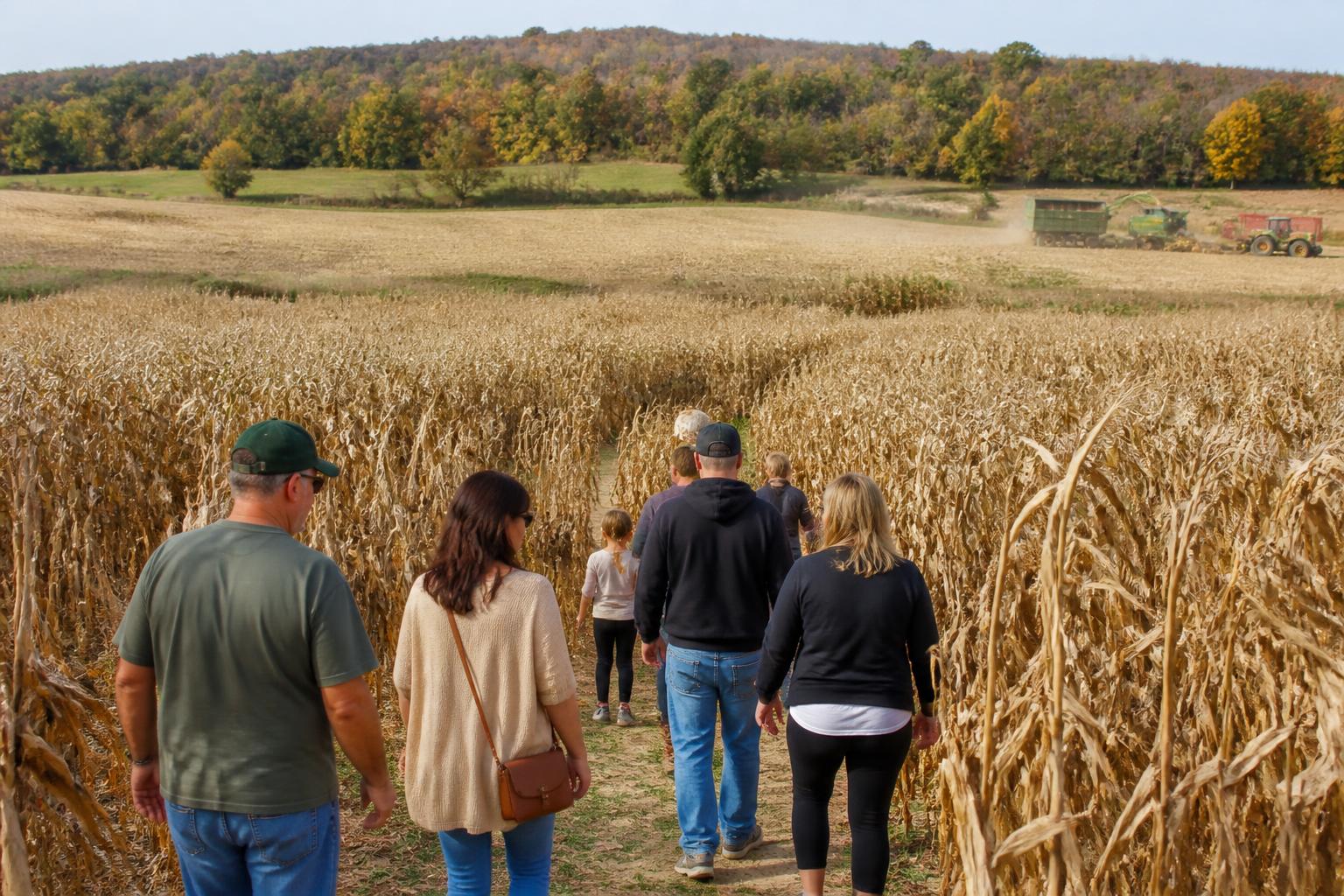
As the fall harvest season accelerates across Pennsylvania, local farmers and agribusinesses are navigating a complex logistics environment. From managing regional supply chain shifts to leveraging new distribution capacity, producers are prioritizing efficiency to maintain margins as crops move from field to market.
With ongoing interest in optimizing harvest logistics, growers are increasingly focused on how to mitigate costs associated with regional transport. Market conditions remain a central concern for many, particularly as producers evaluate how broader economic factors influence operational decisions during the peak of the fall season.
Infrastructure and Regional Growth
Investment in regional infrastructure remains a key point of interest for Pennsylvania agribusiness. For instance, recent expansions in regional distribution centers have aimed to better support agricultural equipment needs across the Northeast corridor, potentially streamlining how farmers access critical inputs and machinery during tight harvest windows. These logistical improvements can be vital for operations looking to capitalize on favorable weather patterns before late-season risks emerge.
Strategic Planning in a Shifting Market
Adapting to seasonal pressures requires more than just machinery; it demands a clear understanding of the local market landscape. Farmers in areas such as York County and other active agricultural hubs continue to integrate strategic planning to navigate both traditional commodity markets and the rising importance of local food economies. As farmers finalize their harvest plans, balancing storage capabilities with transport requirements is essential to managing the influx of grain.
Leveraging Local Resources
Beyond the grain elevator, the integration of technology and precision data remains a driver of efficiency for many mid-sized operations. Whether it is managing inventory through local cooperatives or exploring new supply chain strategies, the focus is squarely on reducing downtime and maximizing the value of the current crop cycle.
What it means for the market
For Pennsylvania producers, the success of this fall harvest depends on agility. By keeping a close eye on regional logistics, managing input costs, and utilizing available local infrastructure, farmers can better position themselves to handle the logistical bottlenecks that often define the peak of the season. Staying ahead of these shifts will be the difference between a smooth harvest transition and managing costly delays as the year winds down.
Comments
No comments yet - be the first to share your take.