
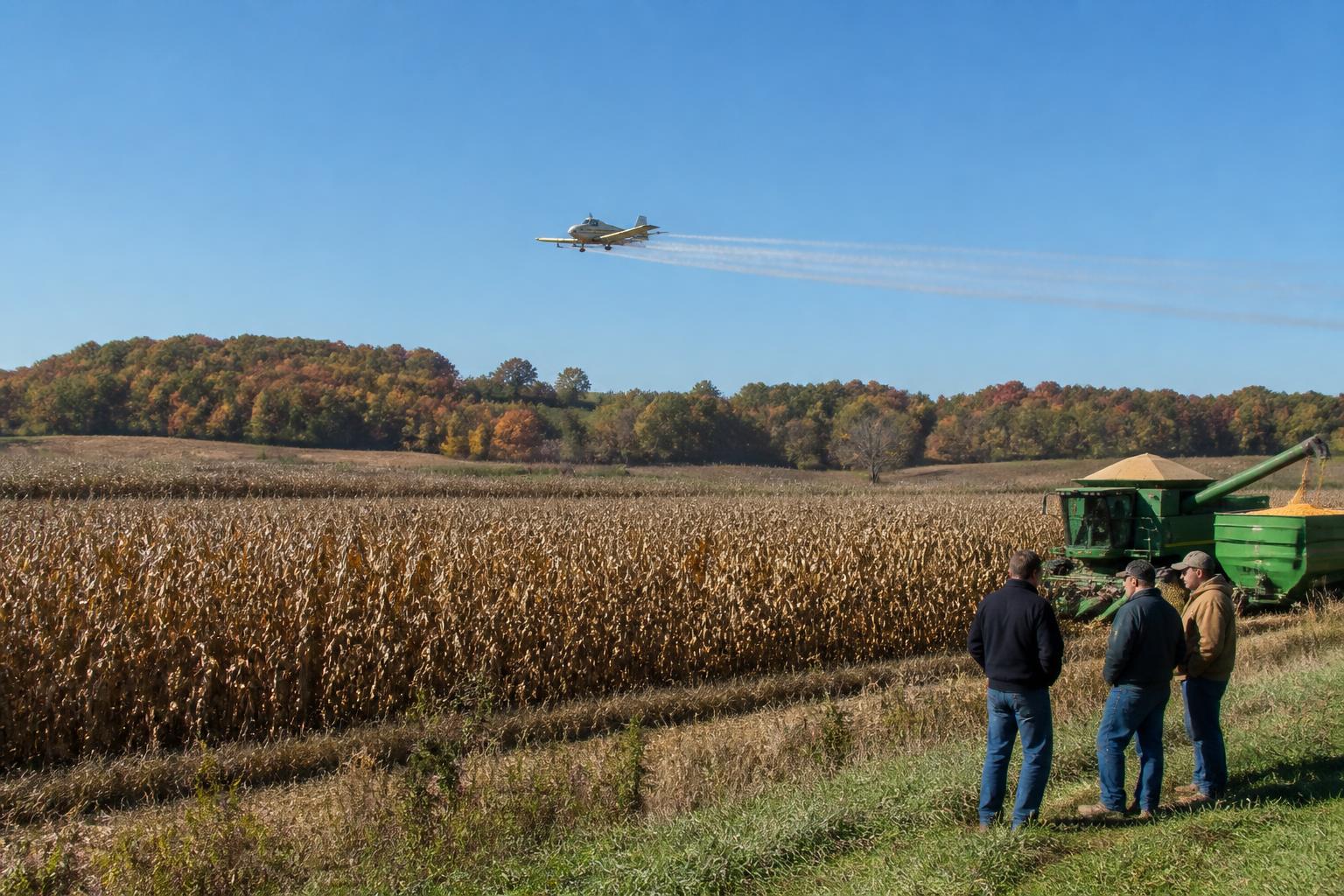
With the autumn harvest cycle underway in Wisconsin, many producers are evaluating their long-term storage capacity to better manage market volatility. Recent legislative developments have introduced significant tax incentives for 2026, encouraging agribusinesses across the state to invest in modernizing or expanding their existing grain bin infrastructure. These upgrades are increasingly seen as a vital strategy for growers looking to hold grain longer and avoid the immediate pressure of harvest-time price troughs.
For many operations, the decision to upgrade is as much about logistics as it is about fiscal planning. As highlighted in our recent review of fall harvest logistics and market shifts, the ability to store grain on-farm provides a critical buffer against potential transportation bottlenecks and fluctuating commodity prices. By enhancing storage technology, farmers can gain more control over their delivery schedules, potentially mitigating the impact of rising fuel costs that have complicated transit for many regional transporters.
Aligning Infrastructure with Market Demands
The push for updated storage comes at a time when Wisconsin producers are navigating an increasingly complex agricultural landscape. From managing input costs related to fertilizer and fuel to adapting to evolving conservation practices, the financial strain on regional operations remains a primary concern. The availability of 2026 tax incentives offers a rare opportunity to improve asset valuation and operational efficiency during a period of economic tightening.
Furthermore, as we have explored regarding Wisconsin harvest outlooks, having sufficient on-site capacity is often the difference between profit and loss when localized transport disruptions occur. Modern bin systems, equipped with advanced monitoring technology, not only protect crop quality but also enable farmers to react more swiftly to signals from local elevators and regional processors.
What it means for the market
For Wisconsin growers and grain handlers, the current season represents a pivotal window for capital reinvestment. While the macro-economic environment remains challenging, the proactive modernization of grain storage facilities positions regional farms to be more resilient against future market shocks. As harvest activities ramp up, those with expanded, high-tech storage capacity will likely be better equipped to capture value, potentially shifting the local supply chain dynamic by easing the immediate pressure on commercial elevator space.
Comments
No comments yet - be the first to share your take.