
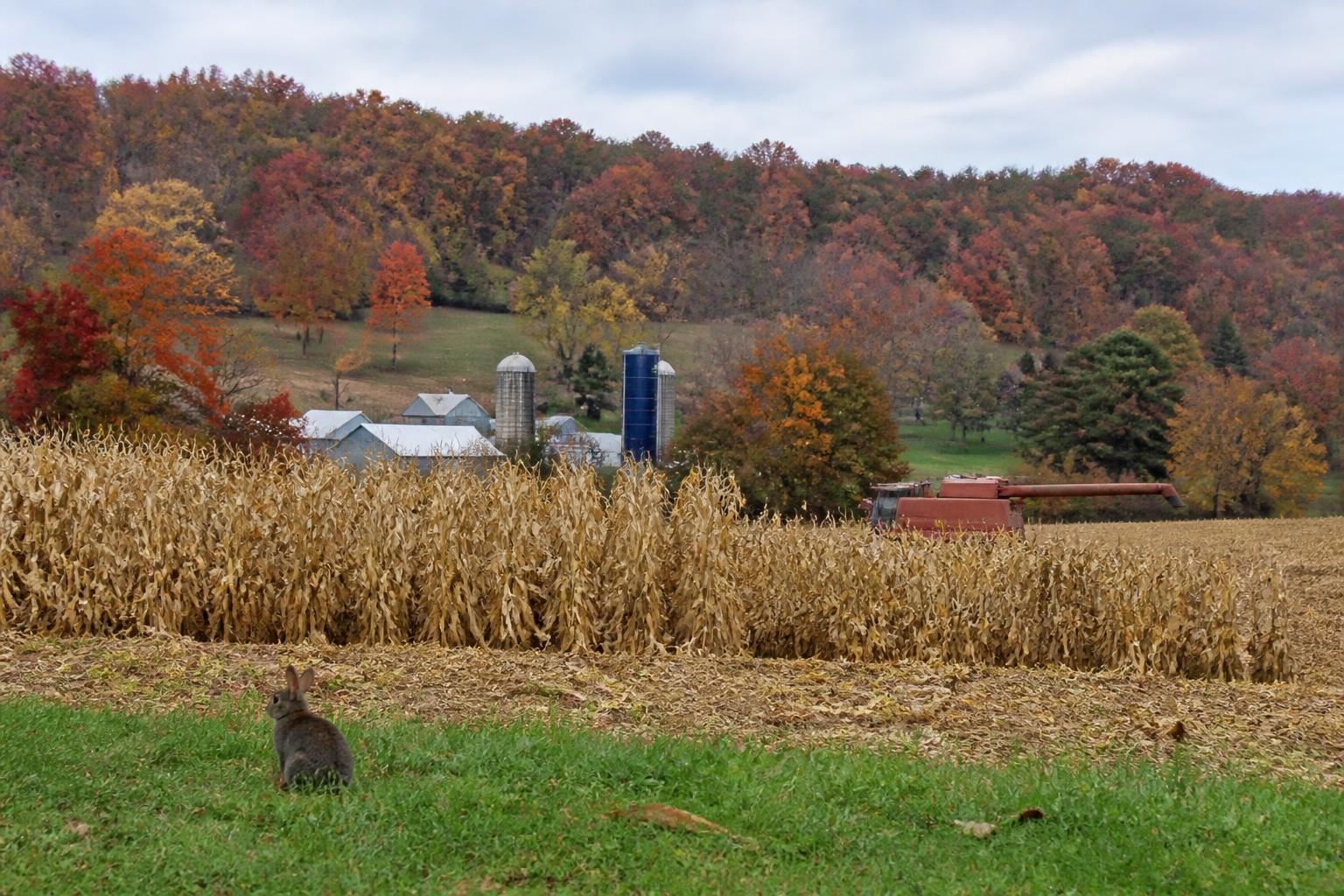
As we transition into the heart of the harvest season, Connecticut producers and agribusinesses are balancing the realities of local supply chain pressures with broader regional market movements. Managing logistics effectively remains a primary challenge for handlers navigating the state's distinct rural and urban corridors, particularly as transport demand fluctuates during the fall months.
Understanding the current state of supply chain pressures is essential for firms looking to optimize their distribution routes. With significant capital moving into the state's logistics infrastructure, many companies are seeking ways to integrate these developments into their daily operations. For those managing inventory or input transport, staying agile in the face of shifting industrial expansion is no longer optional.
Infrastructure and Growth
Recent industrial developments, particularly near major transport hubs, highlight a growing emphasis on creating a more robust resilient local supply chain framework. For the agricultural sector, this means monitoring how increased regional shipping activity might influence the availability of trucking capacity during critical periods of the year. Whether you are moving inputs or final goods, awareness of these regional trends can help mitigate potential bottlenecks.
Market Outlook and Resilience
While national grain markets may show day-to-day volatility, Connecticut's specialized agricultural sectors—ranging from aquaculture to diversified local crops—often face unique, localized challenges. Staying informed about legislative efforts aimed at improving access to resources, such as crop insurance for small farms, remains a vital part of long-term planning for many state producers. Maintaining a flexible approach to logistics, coupled with a focus on regional stability, remains the best strategy for navigating this season.
What it means for the market: For Connecticut agribusinesses, the combination of harvest-time logistical demands and new industrial investments suggests a need for tighter integration between farm-level operations and regional transport partners. Producers should anticipate continued tightening of local transport availability and may benefit from reviewing their contingency plans for shipping and storage as the fall season progresses.
Comments
No comments yet - be the first to share your take.