
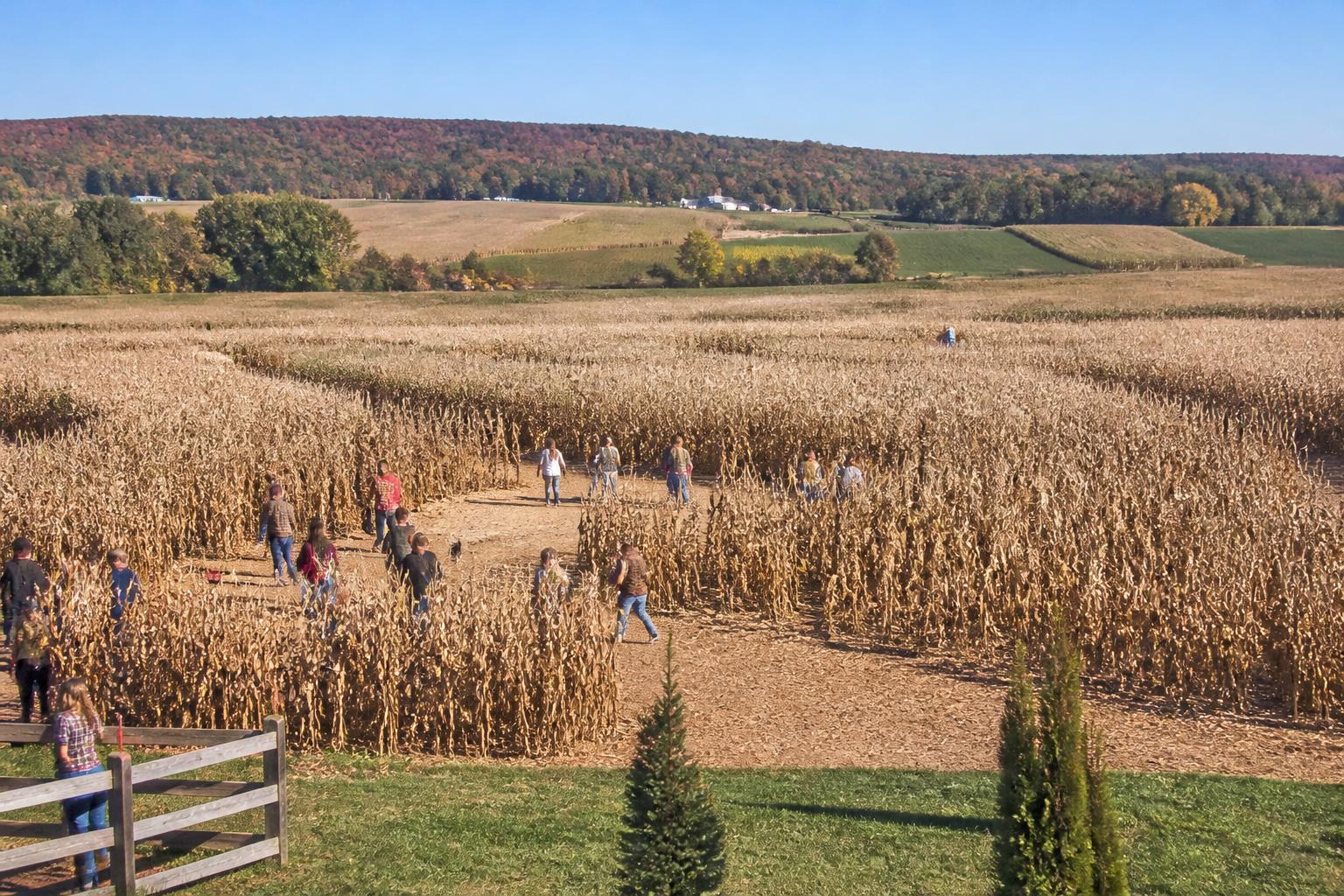
As the Pennsylvania agricultural sector transitions into the core of the fall harvest season, producers across the state are focusing on optimizing logistics and managing operational inputs. From the fields of Lancaster County to the dairy operations in the western part of the state, the current environment demands a careful balance between immediate seasonal demands and long-term infrastructure investment.
Infrastructure and Resource Management
Strategic developments are beginning to take shape across the state, signaling potential shifts in how regional commodities are processed and handled. Notably, investments in localized processing hubs, such as the upcoming dairy infrastructure projects in Western Pennsylvania, may offer new efficiencies for regional producers. Furthermore, managing fertilizer efficiency amidst shifting seasonal pressures remains a critical priority for growers looking to maximize output while contending with broader market volatility.
Managing Ongoing Operational Risks
Beyond seasonal logistics, the state remains vigilant regarding biosecurity, with recent reports of challenges in domestic poultry flocks in regions like Lehigh County serving as a reminder of the need for strict preventative measures. Meanwhile, farmland preservation efforts, such as those highlighted in Blair County, underscore the commitment to securing the future of Pennsylvania’s crop and livestock heritage against development pressures.
Key Takeaways for Producers
- Monitor regional processing updates as new hubs may alter traditional supply chain routes.
- Prioritize biosecurity protocols as seasonal migration patterns increase health risks for poultry.
- Continue to explore conservation initiatives and land protection programs to support long-term farm viability.
What it means for the market: The Pennsylvania market is currently characterized by a focus on resilience. While producers navigate the immediate complexities of the fall harvest, the emergence of localized processing and the continued emphasis on farmland preservation suggest a shift toward strengthening regional self-sufficiency. Agribusinesses should remain closely aligned with these trends, as shifts in how commodities are processed locally will likely influence logistical requirements and input demand in the coming cycles.
Comments
No comments yet - be the first to share your take.