
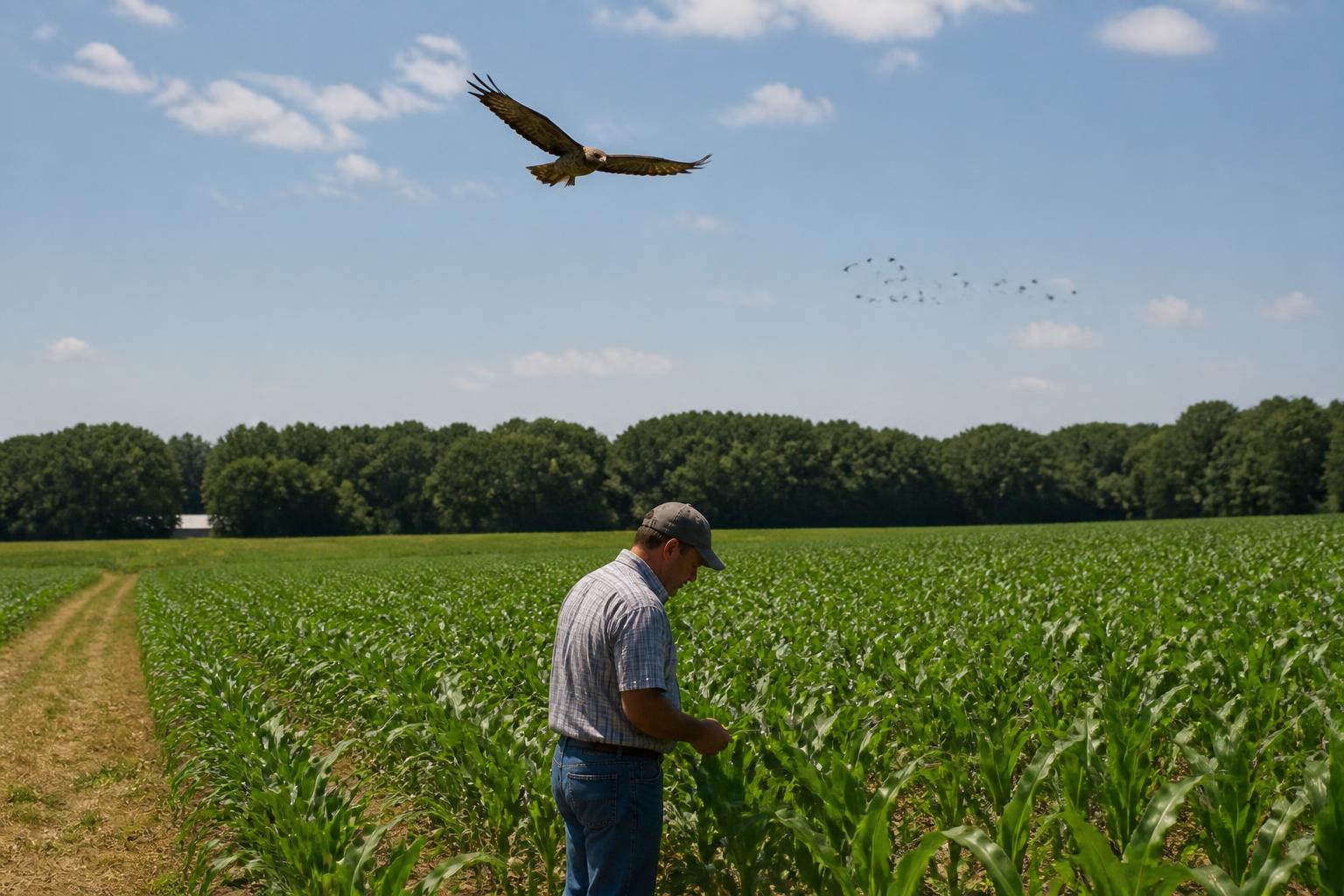
With the summer season in full swing across Washington, agricultural producers from the dryland grain fields of the Palouse to the irrigated orchards of the Yakima Valley are actively managing their field operations. However, this busy period is accompanied by familiar economic anxieties. Growers are currently balancing high input costs with fluctuating commodity prices, forcing a sharp focus on operational efficiency and risk management.
Fertilizer and Chemical Inputs Pinch Margins
Input costs remain a primary concern for Washington farmers. National Farmers Union (NFU) leadership has recently warned that high fertilizer prices may persist, challenging growers who had hoped for relief ahead of the next planting cycle. This ongoing pricing pressure makes precise nutrient application and alternative sourcing strategies highly critical. As growers evaluate their crop nutrition strategies, keeping an eye on the Washington fertilizer market and nutrient efficiency is essential to protect tight operating margins.
In addition to crop nutrition, chemical weed control is seeing renewed attention. Standard herbicides like glyphosate remain central to no-till systems and general weed control, but regulatory scrutiny, weed resistance, and shifting market supply lines require constant monitoring. Farmers are increasingly forced to integrate alternative cultural practices and highly targeted applications to keep chemical budgets under control.
Logistical Shifts and Export Corridors
Moving commodities from farm gates to global markets is another area undergoing scrutiny. Washington's extensive logistics network - including Columbia River barges, regional short-line railroads, and major highway corridors like I-90 - is vital for export-dependent crops. As freight and logistics management face shifting leadership and evolving transport regulations, local handlers must optimize their storage and shipping schedules.
Managing grain transportation from the inland Pacific Northwest to deepwater export terminals remains a primary focus, highlighting the importance of understanding Washington grain logistics and infrastructure during peak shipping seasons. Ensuring that rail cars and barge capacities are aligned with harvest volume is essential to avoid costly bottlenecks.
Innovative Field Solutions and Policy Pressures
Faced with high costs and environmental challenges, some producers are exploring innovative biological solutions. For instance, fruit and berry growers dealing with crop-destroying pest birds have increasingly looked to natural predators, such as trained falcons, to deter pests in vineyards and orchards. These creative biological controls offer a way to protect high-value specialty crops without relying solely on chemical deterrents or netting.
On the policy front, trade relations and federal agricultural support are top-of-mind. While many agricultural communities have historically supported federal administrations focused on deregulation, there is growing concern and a loss of patience among some producers regarding trade disputes, retaliatory tariffs, and the slow pace of agricultural relief programs. Washington's heavy reliance on international markets for apples, wheat, and potatoes makes the state particularly sensitive to global trade policy shifts.
Key Takeaways for Washington Producers
- Plan Inputs Early: With warnings that fertilizer prices may remain elevated, secure key nutrients and explore precision application technologies to minimize waste.
- Monitor Chemical Alternatives: Stay updated on glyphosate supply chains and weed resistance patterns to adapt summer weed control strategies.
- Optimize Logistics: Coordinate closely with grain elevators, ports, and transport providers to secure freight capacity ahead of the peak late-summer harvest.
What it means for the market
The Washington agricultural market is operating in a high-stakes summer environment where margin preservation is everything. While crop conditions look promising in several sectors, the combination of stubborn input costs, transport vulnerabilities, and trade uncertainties means that success this season will be measured by logistical agility and tight cost controls. Agribusinesses that secure their logistics pipelines and optimize chemical and fertilizer applications early will be best positioned to weather the current economic volatility.
Comments
No comments yet — be the first to share your take.