
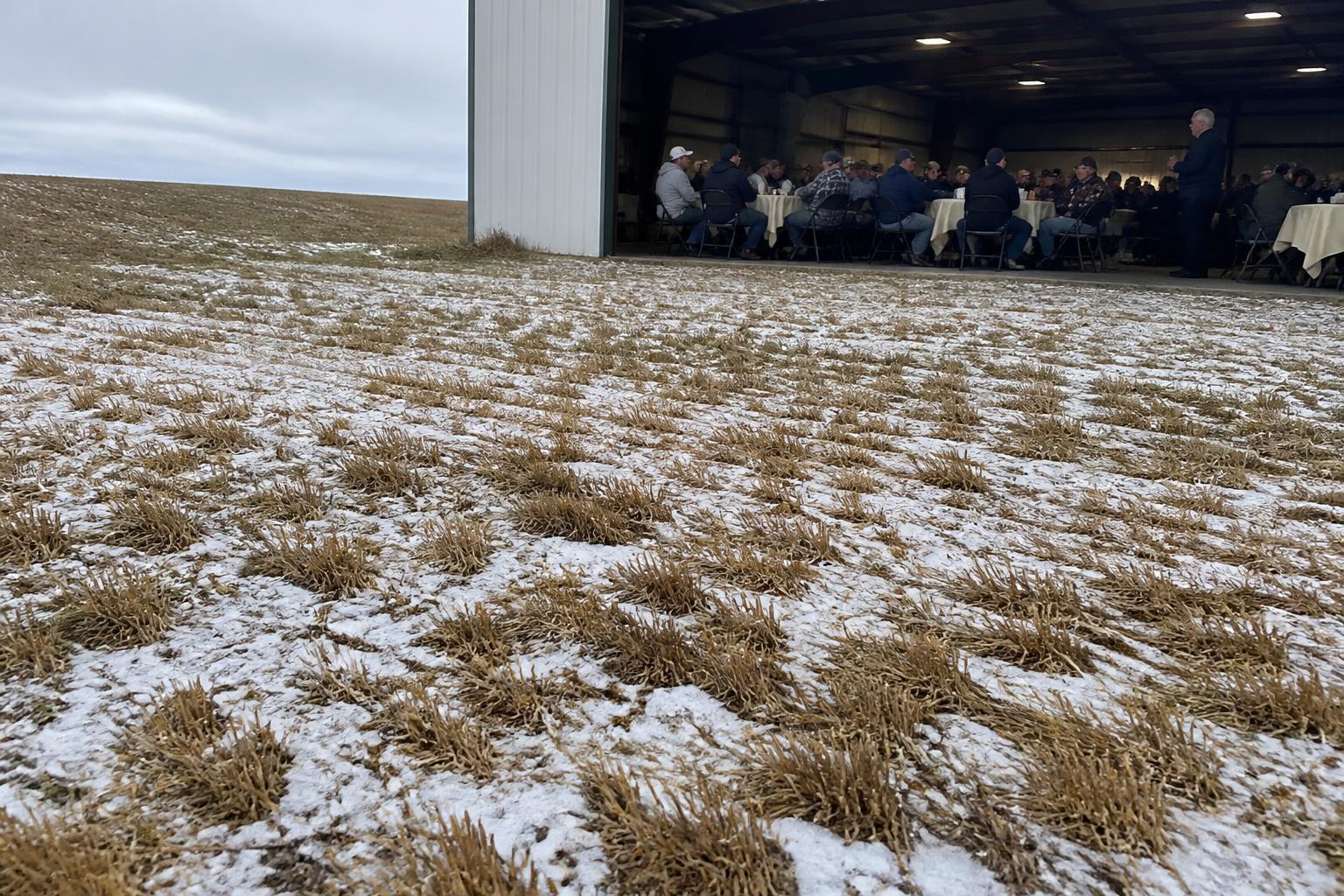
Pacific Northwest agricultural producers are heading into the mid-summer season facing a complex web of economic pressures. High input costs, driven in part by international logistics bottlenecks and global geopolitical tensions, have squeezed margins for Washington grain and dairy producers alike. Even as some global pressures begin to moderate, local agribusinesses are forced to carefully manage their nutrient applications to protect their bottom lines.
For many dryland wheat growers in the Columbia Basin and the Palouse, as well as dairy operators in western Washington and the Yakima Valley, fertilizer represents one of the largest annual operating expenses. Finding ways to maximize the efficiency of every pound of nitrogen, phosphorus, and potash has shifted from a best practice to an absolute financial necessity.
Geopolitical Pressures and Tight Farm Margins
Global supply-chain disruptions have hit local growers hard. Geopolitical tensions in the Middle East, particularly shipping and energy costs tied to conflicts involving Iran, have added heavy logistics surcharges to global fertilizer imports. For cash-strapped farmers in Washington, news of recent diplomatic progress or temporary deals to end the fighting has simply come too late. Many producers had to purchase their primary crop inputs at elevated rates, locking in high production costs for the current cycle.
These elevated input expenses are compounding the broader Washington grain market challenges, where low commodity prices have already limited revenue potential. When wheat and barley prices are depressed, a high-cost fertilizer regime can quickly push farm budgets into negative territory.
Agronomic Hurdles and Nutrient Stewardship
In addition to financial stress, Washington growers are managing localized crop health challenges. Parts of the state's dryland wheat country experienced notable snow mold damage earlier in the year, leaving some fields with reduced yield potential. When crop stands are compromised by disease, applying standard, heavy-rate fertilizer treatments can lead to wasted capital and lost efficiency. Growers are increasingly turning to variable-rate applications and precision soil testing to target nutrients only where they can be effectively utilized.
Similar dynamics are playing out in the livestock sector. Washington dairy producers are championing nutrient stewardship to boost efficiency and profits as operational costs rise. With many industry leaders warning that traditional high-input math simply does not work under current market conditions, recycling dairy manure as a localized fertilizer source has become a vital cost-saving strategy. This shift toward sustainable, intensive agriculture is also receiving policy attention, with regional advocates calling for increased funding to support sustainability initiatives that address both climate resiliency and farm profitability.
Looking Ahead to Fall Fertility Planning
As summer progresses, growers are starting to look toward their late-summer and autumn fertility programs. While international supply lines remain volatile, keeping an eye on broader national trends - such as domestic fertilizer supply strategies and terminal expansions in other regions - can provide valuable clues on when to book fall supplies. On the policy front, the House Committee's advancement of the bipartisan 2026 Farm Bill offers a potential long-term framework for risk management, though immediate relief still depends on careful on-farm decision-making.
Key Takeaways for Washington Growers
- Targeted Applications: Use detailed soil sampling to adjust fertilizer rates, especially in fields that suffered from snow mold or uneven spring growth.
- Alternative Nutrients: Explore local organic and dairy-byproduct nutrients to offset expensive commercial nitrogen and phosphorus imports.
- Strategic Booking: Watch domestic river and port logistics closely, as shipping surcharges remain highly sensitive to international energy markets.
What it means for the market
The Washington fertilizer market is defined by a tight margin squeeze where growers cannot afford to over-apply. With high input costs locked in from earlier global logistics disruptions, the focus for the remainder of the summer season must be on precision placement, alternative nutrient sources, and defensive purchasing strategies. Agribusinesses that help farmers optimize their nutrient-use efficiency are likely to find the strongest partnerships in this challenging environment.
Comments
No comments yet - be the first to share your take.