
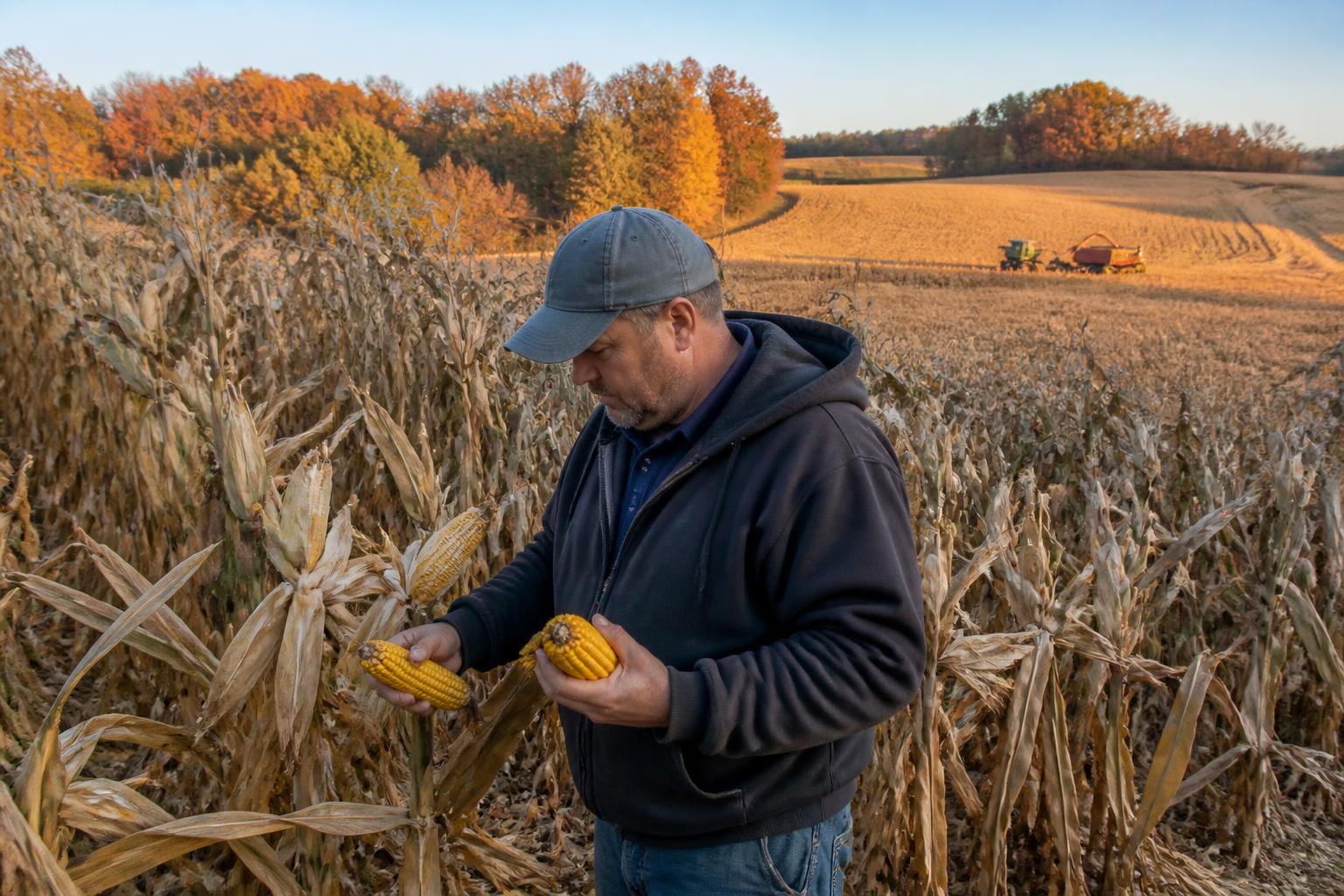
Utah producers are entering the fall season under a cloud of uncertainty, following recent emergency declarations regarding crop losses caused by unseasonal weather patterns. While the damage has hit certain sectors of the state's agriculture hard, the resilient spirit of local farmers continues to keep essential supply chains moving as they transition into the harvest period.
For those looking to navigate the current landscape, staying informed on regional shifts is critical. You can review our latest insights on navigating seasonal challenges to better prepare for the coming months. Understanding how to manage your inventory in a period of reduced output remains a top priority for local grain handlers and growers.
Global Headwinds and Input Costs
Beyond state lines, Utah agribusinesses are keeping a watchful eye on international tensions, specifically the potential for energy and fertilizer shocks. Global supply chain disruptions can quickly trickle down to local operations, impacting everything from transport logistics to the cost of seasonal inputs. For producers managing regional resilience, the current market climate underscores the necessity of diversifying sales outlets and maintaining tight control over input overheads.
Local Adaptability in the Field
Despite the broader economic pressures, some Utah farmers are demonstrating remarkable technical adaptability. Innovations in controlled-environment agriculture have allowed for unique production successes, even when traditional field crops face external threats. This ability to pivot remains a key advantage for local growers looking to satisfy niche market demands while waiting for broader commodity price stabilization.
What it means for the market
The convergence of local weather-related losses and potential spikes in global fertilizer costs suggests a cautious outlook for the remainder of the year. Producers should prioritize local buyer relationships and assess storage capacity to avoid forced selling during periods of high volatility. As we move deeper into the fall, monitoring the intersection of local harvest yields and national pricing trends will be essential for protecting farm margins.
Comments
No comments yet - be the first to share your take.