
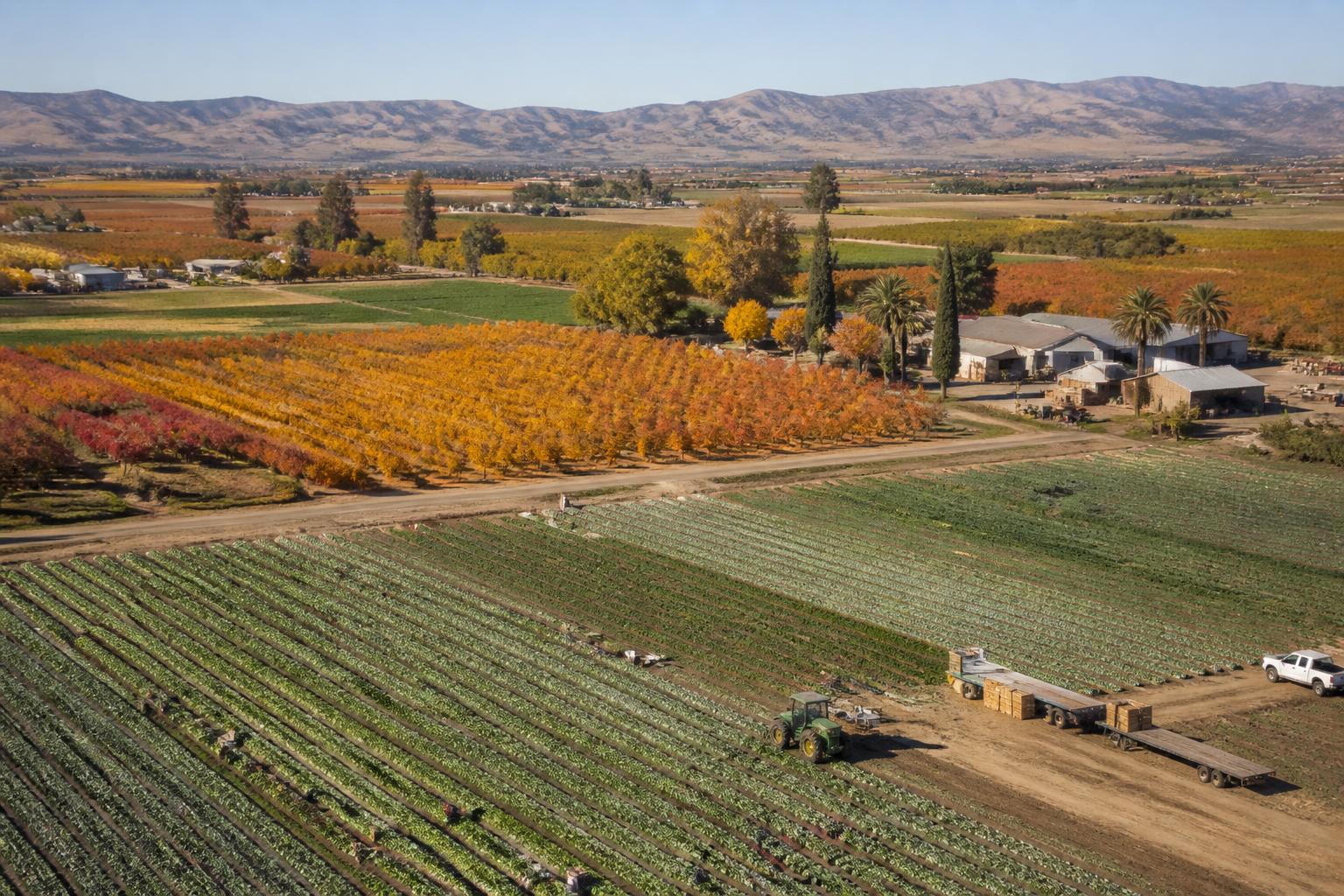
As California enters the peak of the fall harvest season, the state's robust agricultural sector is once again shifting gears to manage the complex flow of goods from field to market. For producers, particularly in the Central Valley, this time of year often brings a convergence of high-volume seasonal output and logistical constraints that demand proactive management.
Understanding the current California harvest logistics landscape is essential for growers and shippers looking to mitigate delays. With California responsible for significant portions of U.S. lettuce production and the vast majority of global almond supplies, the pressure on transportation infrastructure remains intense during the final quarter of the year.
Managing Seasonal Shipping Challenges
Transportation capacity in California often tightens as harvest activity peaks. Carriers are balancing traditional freight demands with the urgent need for specialized reefer equipment to support perishable exports. For those operating near major transit corridors or hubs, the competition for reliable trucking services can become a notable factor in cost management.
It is worth noting that persistent reports of shipping headwinds continue to influence decision-making for logistics managers. Many operators are choosing to front-load shipments or diversify their warehousing strategies to avoid the potential for gridlock that can emerge when throughput spikes across state ports and highway networks.
Workforce and Technical Adaptations
Beyond hardware and logistics, the labor landscape remains a critical component of the harvest. The Latino workforce continues to serve as the backbone of California’s agricultural production, and ongoing professional development initiatives in regions like Patterson are helping to align technical skill sets—from heavy-duty truck operation to high-tech machinery maintenance—with the evolving needs of the industry.
While farmers experiment with new crop varieties to adapt to environmental changes, the immediate focus remains on securing the reliable transport chain necessary to deliver this season's yield. Flexibility in scheduling and maintaining close communication with local freight partners can often make the difference in avoiding the most costly disruptions.
What it means for the market
The convergence of peak seasonal volume and existing capacity constraints suggests that agribusinesses should prioritize logistics agility throughout the fall. By anticipating potential bottlenecks at key transit points and securing trucking commitments early, market participants may better insulate their operations from unexpected price volatility and transit delays during this critical window.
Comments
No comments yet - be the first to share your take.