
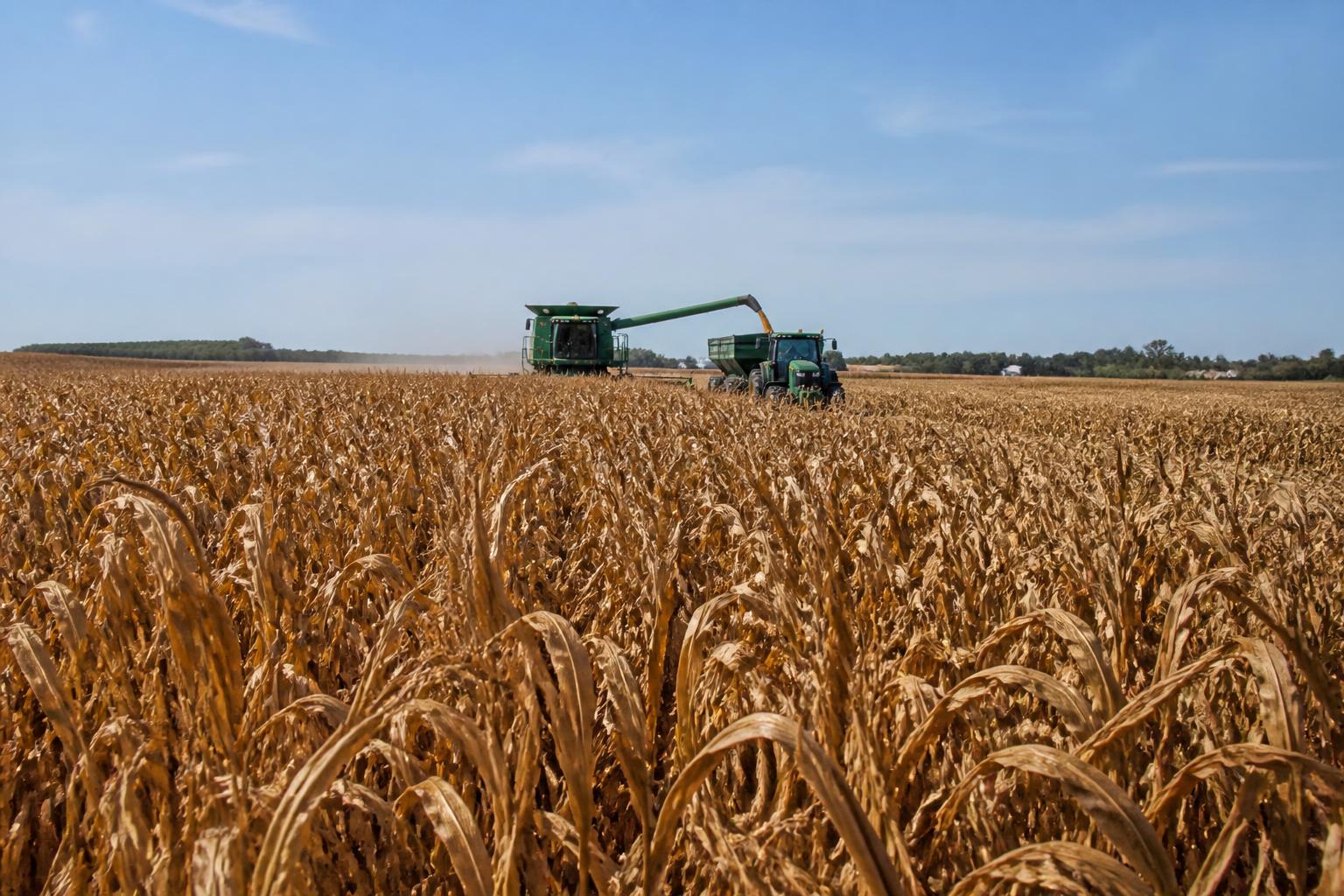
Wisconsin farmers are currently navigating a complex logistical landscape as the transition into the fall harvest period intensifies. While field conditions have recently shifted from unseasonably wet to widespread dryness, the primary concern for many growers remains the tightening margins driven by energy-related overhead. As transportation networks gear up for seasonal volume, the impact of sustained, high fuel prices is placing significant pressure on elevator margins and on-farm profitability.
For those managing the logistics of moving grain from the field to local storage or terminal facilities, the combination of regional dryness and elevated diesel costs necessitates a disciplined approach to supply chain management. Efficient movement remains paramount, particularly in regions where transport capacity may tighten as the peak harvest cycle gains momentum.
Managing Transportation Costs in a High-Input Environment
The current market environment is characterized by a mix of bullish sentiment for core commodities and defensive positioning regarding operational expenses. With diesel remaining a critical component of the total cost of production and movement, producers and local grain handlers are increasingly scrutinizing load consolidation and storage strategies. In many parts of the state, including key corridors served by regional grain cooperatives, minimizing unnecessary trips and optimizing storage usage are becoming essential tactics to mitigate the sting of higher transportation rates.
Adapting to Rapid Environmental Shifts
Beyond the logistics of fuel, the rapid fluctuation in regional moisture levels presents its own set of management hurdles. The recent turn toward drier conditions may benefit early harvesting operations, yet it requires constant adjustments to combine settings and field moisture monitoring. Agribusinesses across the state are focusing on providing updated moisture analysis to help farmers optimize their drying and delivery schedules, ensuring that grain quality is maintained while keeping fuel consumption and utility costs in check during the drying process.
Key Takeaways:
- Energy Efficiency: High fuel prices are forcing a re-evaluation of short-haul logistics and delivery timing.
- Moisture Management: Rapid shifts in soil conditions require flexibility in harvest timing and grain handling protocols.
- Proactive Planning: Tightening operational margins underline the necessity for precise coordination between farmers and local elevator partners.
What it means for the market: Producers should anticipate that elevated logistics costs will continue to influence regional basis levels, at least in the near term. Success this season will likely depend on a producer's ability to balance rapid harvest execution with cost-conscious transportation and storage decisions.
Comments
No comments yet - be the first to share your take.