
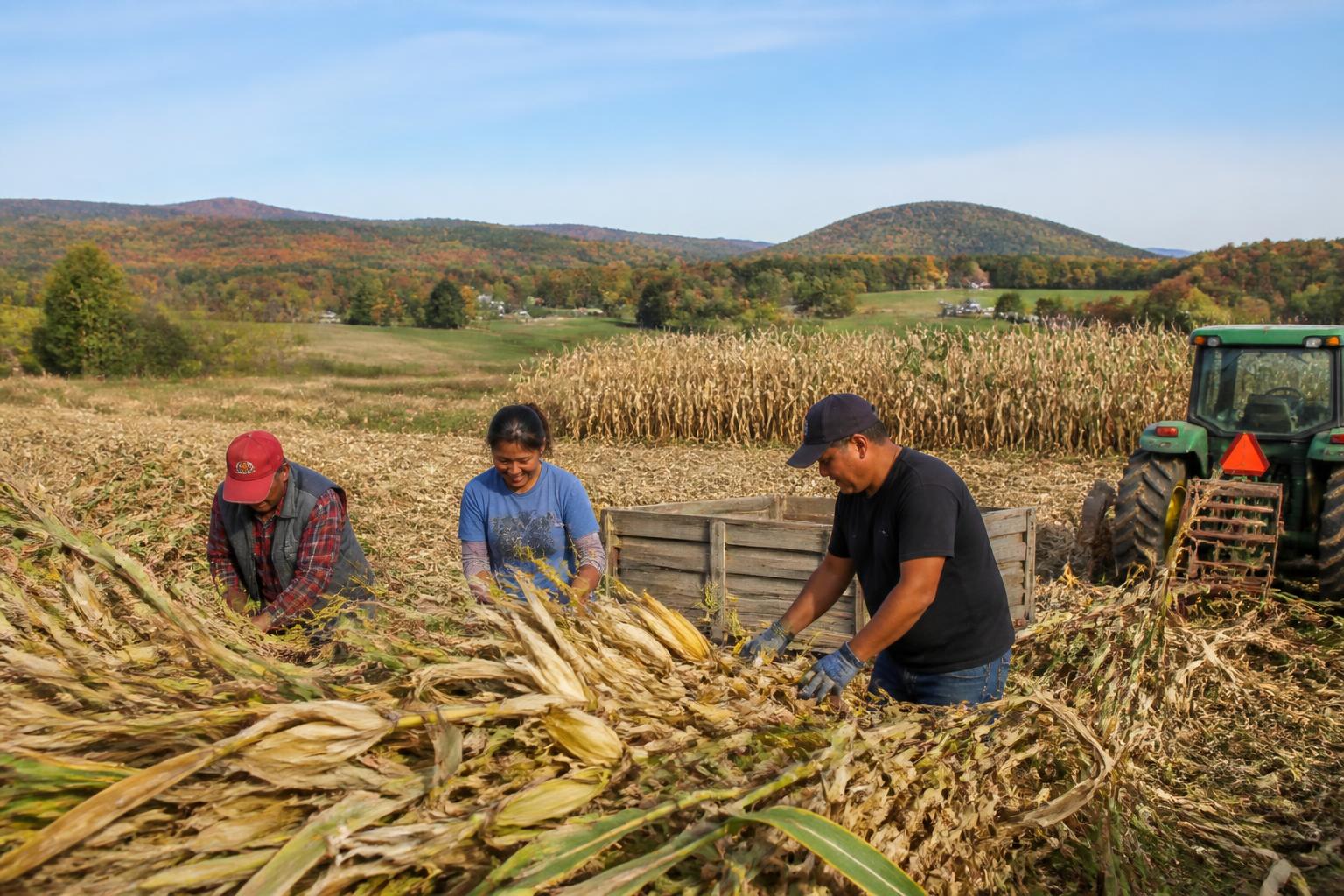
As the fall harvest season progresses across Vermont, agricultural producers are evaluating their logistics and distribution strategies to meet shifting market demands. From the rolling pastures of the Northeast Kingdom to the productive fields of the Champlain Valley, the focus remains on maintaining operational efficiency while balancing the needs of local food hubs and larger regional supply chains.
For many producers, the integration of new technologies and regional infrastructure, such as emerging food hubs in areas like Bennington, is providing fresh pathways for connecting small-scale output with a wider range of household and corporate buyers. These developments offer a critical buffer as the sector navigates broader logistics and market access challenges that have historically impacted the speed and reliability of moving perishable goods to market.
Managing Dairy and Specialty Crop Logistics
Dairy operations continue to navigate a complex environment, particularly as processing exit announcements in the Northeast impact regional market reach for some farms. In response, there is an increased emphasis on exploring value-added products and improving packaging efficiencies. Funding opportunities, including grants aimed at low-waste dairy packaging, are currently being utilized by some in the industry to modernize supply chain infrastructure and extend the shelf life and reach of local dairy products.
Simultaneously, the specialty crop sector is benefiting from targeted grant programs aimed at increasing production capacity. As producers coordinate harvest timing, the ability to effectively utilize local transport networks—whether moving goods to regional distributors or direct-to-consumer markets—remains a top priority for protecting thin margins during the busy autumn months.
Infrastructure and Climate Resilience
Operational planning is increasingly factoring in the need for climate-resilient transport routes. With ongoing discussions regarding infrastructure permitting and development in key areas, farmers are encouraged to monitor state-level updates that may influence regional trucking routes or access to processing facilities. Keeping a close eye on these developments can help agribusinesses anticipate potential disruptions before they impact their seasonal logistics schedule.
What it means for the market: Producers and distributors who remain proactive in diversifying their distribution channels and leveraging available technology grants are better positioned to navigate the current instability in the Northeast agricultural supply chain. Maintaining agility in transport planning will be essential as the industry moves through the remainder of the fall season.
Comments
No comments yet - be the first to share your take.