
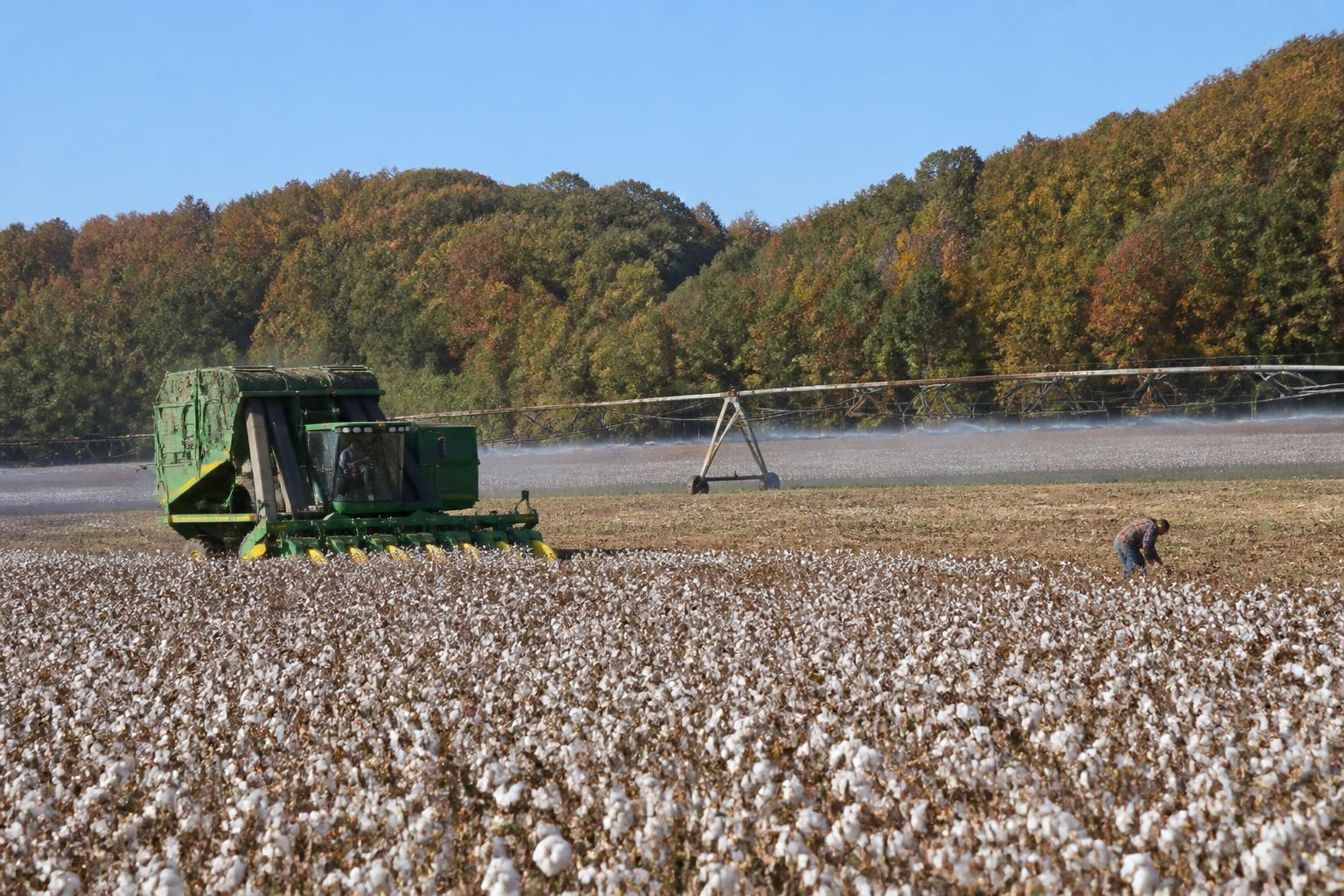
As we transition into the heart of the fall season, Alabama producers are shifting their focus from final field protection to the logistical demands of the upcoming harvest. With field operations beginning to ramp up across the state, ensuring that grain handling systems are fully operational is a top priority for growers looking to maximize quality preservation during the intake process.
Effective storage management is essential, especially when dealing with the variable weather patterns that can impact grain storage and quality as Alabama harvest approaches. Beyond mechanical checks, farmers should remain diligent about safety protocols, including mandatory grain bin fumigation planning, which remains a regulatory necessity for maintaining a clean and secure facility.
Optimizing Logistics and On-Site Readiness
Successful harvest management often hinges on the ability to move and store yields efficiently. While large-scale irrigation technology continues to support output stability in regions like those utilizing the advanced systems seen at operations like Dee River Ranch, the final stage of the supply chain depends on localized handling capacity. As you evaluate your current setup, remember that late-summer field management and input trends have set the stage for current yields, and now the focus must pivot to maintaining that grain quality post-harvest.
For those managing smaller operations or niche markets, such as those supplying local farm-to-table channels, maintaining inventory throughput is critical. Integrating sustainable practices, perhaps through shifting priorities for early fall, can help streamline your workflow and minimize downtime as equipment traffic increases on regional corridors.
What it means for the market
The global grain market remains sensitive to supply disruptions, making domestic storage and quality control more important than ever for U.S. producers. By prioritizing bin maintenance, safety, and efficient logistical planning, Alabama growers can ensure their output remains competitive and protected against spoilage or contamination. A disciplined approach to the harvest window not only secures the value of the current crop but also positions your operation for better flexibility in response to fluctuating market conditions.
Comments
No comments yet - be the first to share your take.