
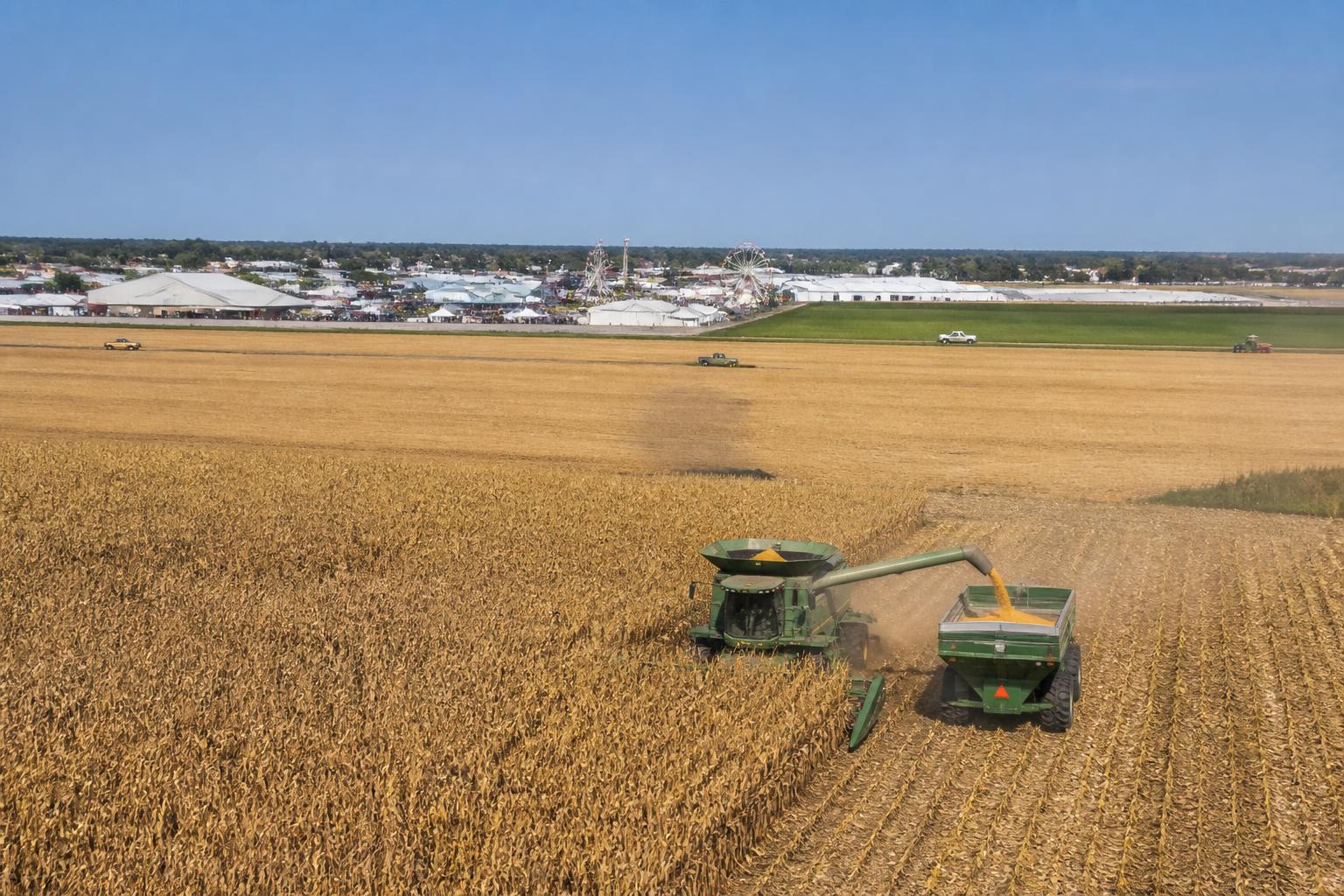
As the fall harvest approaches across Illinois, agricultural producers are shifting their focus from field maintenance to the logistical realities of moving the crop. For many in the state, the window for harvest is a time when the efficiency of the supply chain becomes as significant as the yield itself. Managing transport capacity, grain storage, and input-related financial pressures typically defines the success of the season for elevators and local agribusinesses alike.
Managing Operational Costs and Seasonal Flows
With ongoing discussions surrounding logistics and input costs as harvest approaches, producers are keeping a close watch on the movement of equipment and the availability of freight. The demand for reliable trucking can increase rapidly during this time, often requiring producers to coordinate early with local carriers to ensure timely delivery to terminals and grain elevators. In regions like the central Illinois corridor, maintaining tight operational oversight can help mitigate the impact of broader market volatility.
Regional Logistics in Focus
Illinois farmers are navigating a landscape where logistics and market pressures often intersect. Whether managing internal storage or coordinating with commercial facilities, the ability to pivot based on local traffic conditions or grain facility throughput remains essential. Those involved in the supply chain frequently find that proactive communication with partners helps alleviate the bottlenecks that can arise during peak harvest periods.
Strategic Planning for the Season
For many, the current environment is a reminder of the importance of balancing seasonal logistics amid industry headwinds. From equipment movement to monitoring the costs associated with moving commodities, careful planning helps prevent costly delays. As operations ramp up, the focus remains on maintaining efficiency and managing the bottom line amidst fluctuating market factors.
What it means for the market
For the Illinois agricultural sector, this harvest season underscores the need for resilience in logistical planning. By monitoring regional freight capacity and maintaining open channels with grain handlers, stakeholders can better navigate the complexities of the current market, ensuring that the movement of grain keeps pace with the speed of harvest.
Comments
No comments yet - be the first to share your take.