
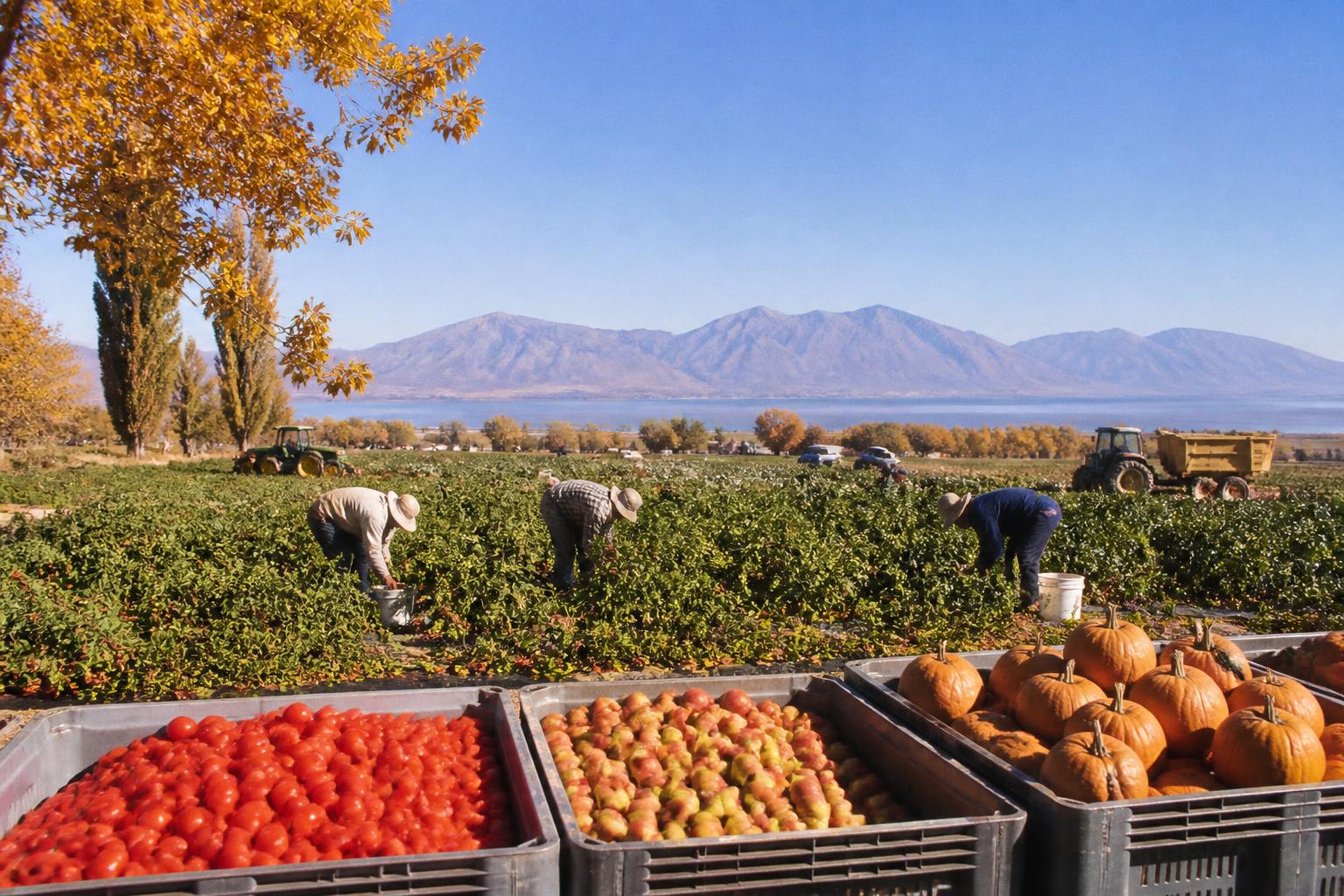
As the fall harvest season gathers pace across Utah, agricultural producers are balancing the demands of field operations against an increasingly complex backdrop of water management and economic uncertainty. For grain handlers and farmers, the current climate requires a renewed focus on input efficiency and logistics to maintain profitability during a period of shifting regional priorities.
Ongoing discussions regarding water efficiency in Utah are central to long-term operational planning. As regional initiatives prioritize smarter resource allocation, growers are looking for ways to adapt their crop management practices. While these changes may create immediate operational friction, some producers are finding that strategic investments in water-efficient irrigation can provide a level of resilience against the fluctuations often seen in regional water availability. Navigating this volatility remains a hallmark of the modern Utah grain sector.
Input Efficiency in a Changing Landscape
The conversation around agricultural inputs continues to evolve, with an emphasis on balanced usage. Fertilizer management remains a critical lever for controlling production costs. Many agribusinesses are observing that the move toward more sustainable, precise application methods is not just an environmental imperative but an economic one, helping to keep margins manageable even when commodity prices experience downward pressure.
Logistical and Market Pressures
Logistics continue to play a pivotal role in the movement of grain from rural elevators to final markets. Regional infrastructure, including the highway corridors serving major production areas, remains under constant assessment during peak harvest. Producers should stay closely attuned to local transport capacity, as unexpected bottlenecks can influence basis levels and shipping timing. Beyond logistics, global trade sentiments and broader macroeconomic factors continue to ripple through local markets, requiring producers to keep a close watch on national trends that influence their bottom line.
What it means for the market
For those involved in the Utah grain trade, this fall is about precision and preparedness. With water policy taking a more permanent role in operational planning and input costs remaining a significant factor, success likely lies in prioritizing resource efficiency and maintaining flexibility in marketing. Monitoring regional infrastructure reports and staying informed on water management trends will be essential for managing risk through the end of the harvest season.
Comments
No comments yet - be the first to share your take.