
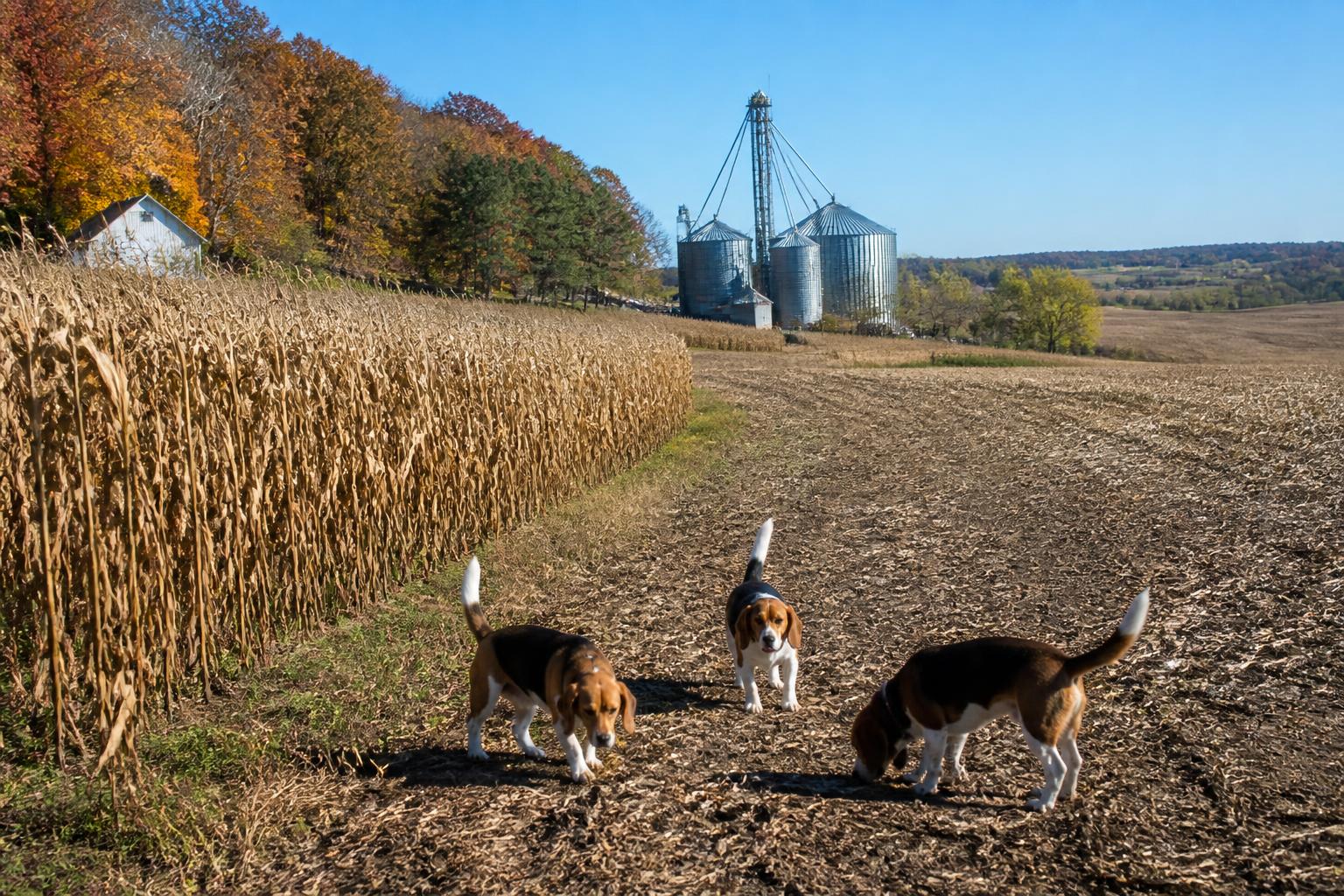
With the fall season officially underway, Virginia agricultural producers and logistics providers are focusing on streamlining the movement of commodities. As harvest momentum builds across the Commonwealth, regional bottlenecks often test the resilience of local supply chains. For many farmers and grain handlers, the priority remains maximizing flow through key terminals to ensure seasonal harvests move efficiently from field to market.
Infrastructure Advancements and Market Flow
Recent developments in state-wide agricultural infrastructure are providing much-needed support for the current harvest cycle. Investments in modernized facilities, such as the new high-speed grain elevator at the Richmond Marine Terminal, are helping to reduce turnaround times for carriers and improve storage capacity. These enhancements are critical as producers navigate the complexities of optimizing logistics and supply chain flow during high-volume periods.
Furthermore, broader initiatives, including recent infrastructure grants targeting food and farming projects, reflect a commitment to strengthening the logistical framework that supports Virginia agriculture. These upgrades, ranging from equipment improvements to facility expansions, can help smaller and medium-sized operations remain competitive by reducing the pressure on existing regional routes.
Strategic Planning for Producers
For those managing harvest operations, proactive planning is essential. Producers are increasingly relying on data-driven approaches to manage inventory and coordinate transport schedules. By leveraging available terminal resources and keeping a close eye on regional congestion patterns, stakeholders can better anticipate shifts in demand. Understanding how to navigate Virginia's summer and fall logistics is vital for maintaining productivity as the peak of the season progresses.
What it means for the market
The influx of infrastructure support and improved terminal capacity is a positive signal for Virginia's agricultural market. While localized logistical constraints can still arise during intense harvest windows, the continued investment in terminal efficiency suggests a more robust capacity to handle export-bound commodities, ultimately benefiting the state's grain handlers and commercial transport networks.
Comments
No comments yet - be the first to share your take.