
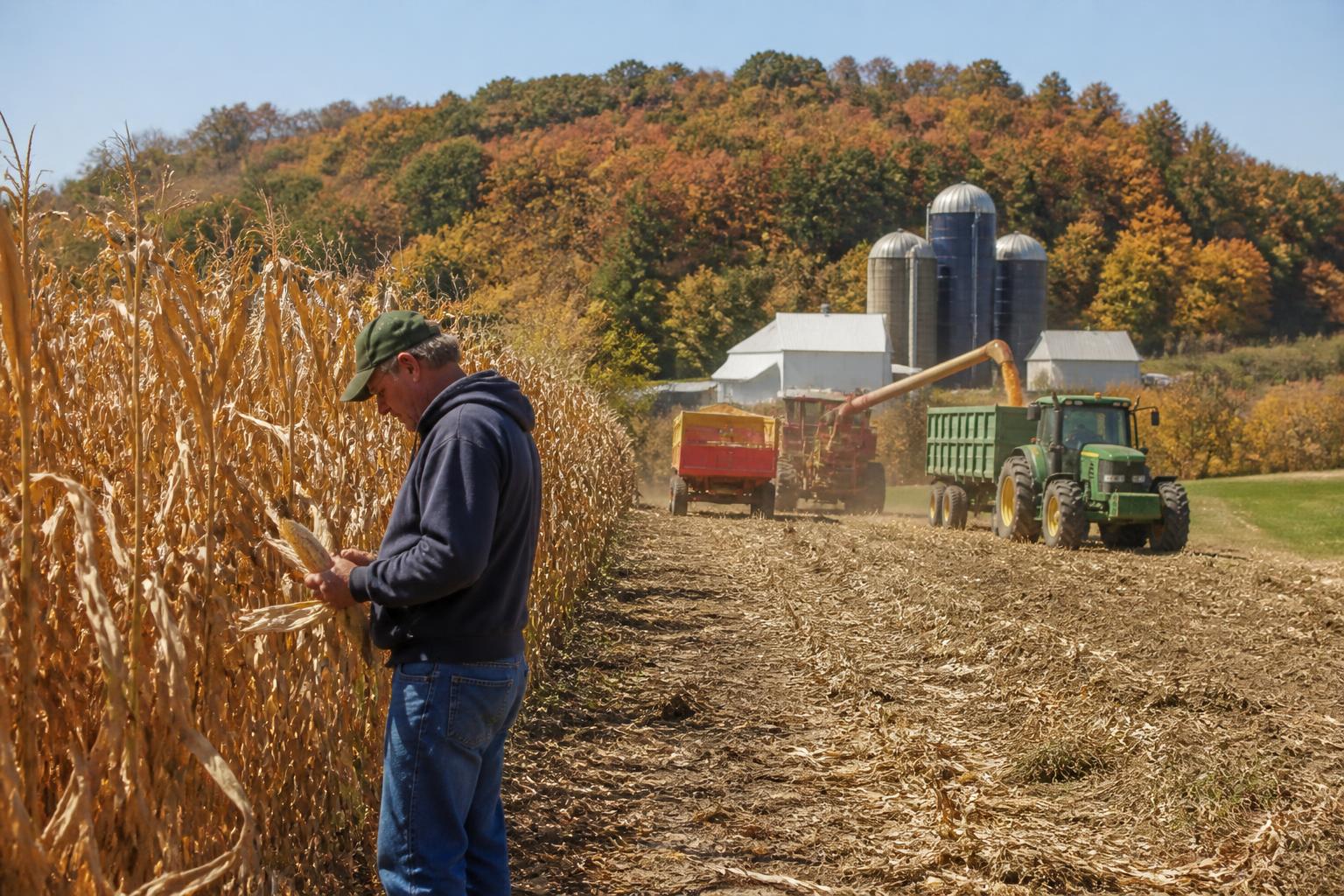
As the fall season takes hold across Pennsylvania, the agricultural community is transitioning into a critical period of harvest and infrastructure planning. For growers, this time of year often involves balancing the immediate pressures of field operations with the long-term outlook for input costs and supply chain stability. While yields remain a focal point, the broader logistics of moving grain and managing storage continue to be a priority for local elevators and regional producers.
Input management remains a central theme for many operations. Farmers continue to navigate the complexities of long-term planning, whether they are evaluating late-season fertilizer strategies or considering broader changes to their nutrient management programs. These decisions occur against a backdrop of ongoing efforts to modernize infrastructure, with long-term projects like regional fertilizer production facilities aiming to eventually change how local agribusinesses access essential supplies.
Infrastructure and Market Logistics
Beyond the field, the state is seeing shifts in how agricultural products are processed and moved. New initiatives, such as planned dairy processing hubs, underscore a broader trend of strengthening regional food supply chains. For those in the grain and livestock sectors, these developments often go hand-in-hand with a push for more efficient transport routes and, in some cases, the permanent protection of farmland to secure future production capacity.
Producers are also managing the seasonal realities of bird flu monitoring and the ongoing need for rigorous biosecurity. These operational hurdles, coupled with shifting policy discussions in Washington regarding farm aid and trade authority, create a complex decision-making environment. Whether dealing with variable weather conditions or evaluating the financial hurdles of transitioning to certified organic production, the theme remains one of resilience and careful calculation.
Strategic Planning for the Season Ahead
As the harvest moves forward, attention is turning toward the financial pressures of the coming year. While some agricultural sectors have benefited from favorable reports on crop quality, local agronomists often emphasize the importance of verifying these broad estimates with on-farm realities. For many, this includes navigating market pressures by leveraging regional resources and staying informed on shifting regulatory landscapes.
What it means for the market
For Pennsylvania producers and agribusinesses, the current environment demands a focus on operational efficiency and proactive cost management. As we move deeper into the fall, those who can successfully navigate the interplay between input price volatility and local logistics will be better positioned to manage the transition into the next planting cycle. Keep a close watch on regional processing developments and local policy changes, as these will likely influence supply chain flexibility in the seasons to come.
Comments
No comments yet - be the first to share your take.