
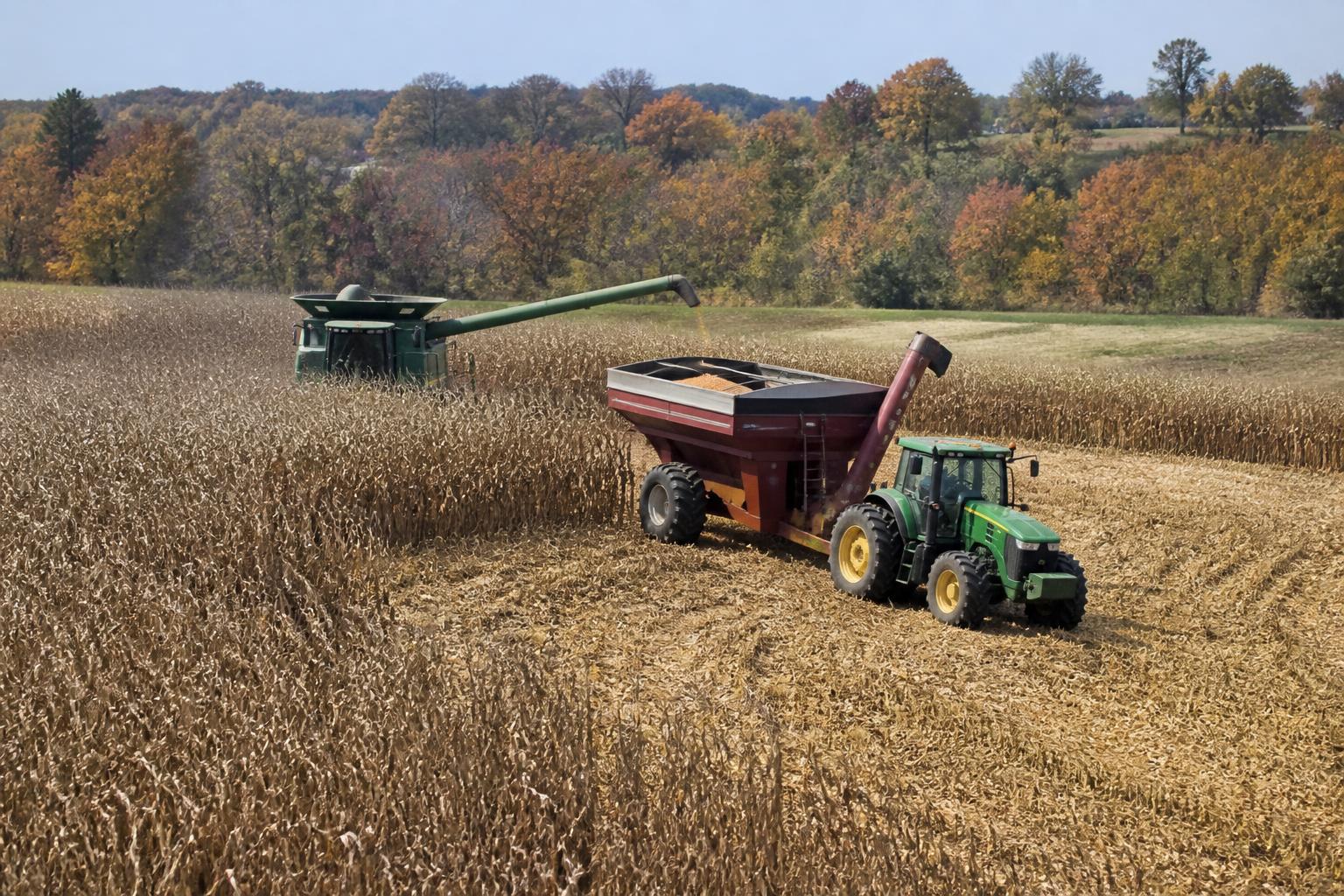
As the fall harvest season moves into full swing across Washington, the focus for grain handlers and producers often shifts toward maximizing efficiency in transit and storage. With the seasonal surge in movement from fields in regions like the Palouse to critical hubs in the Pacific Northwest, maintaining a fluid supply chain is essential for protecting margins.
Navigating Export and Market Signals
Recent high-level trade discussions continue to cast a long shadow over market expectations. As Washington producers keep a close watch on export shifts, the ability to pivot operations based on potential international demand remains a priority. The interplay between federal oversight and global market access underscores why many agribusinesses are refining their inventory strategies this quarter.
Understanding these broader trends is vital for planning, especially when navigating export dynamics and global trade shifts that directly influence terminal throughput at Washington ports. For those involved in the supply chain, monitoring these signals helps in anticipating potential bottlenecks at grain elevators or along major transit corridors.
Infrastructure and Operational Readiness
Beyond the trade front, the practicalities of harvest logistics are top of mind. In regions where cooling and storage are necessary to maintain crop quality, the integration of sustainable cold chain infrastructure may offer long-term competitive advantages. Efficient storage practices are often the difference between a high-value shipment and one hampered by quality degradation during peak transit times.
As harvest volume increases, regional carriers and elevators typically face higher pressure to maintain equipment uptime. Given the reliance on both rail and truck transport to move Washington products, proactive maintenance and scheduling are necessary to avoid the typical delays associated with the fall rush.
What it means for the market
For the Washington ag sector, this period is defined by a dual focus: agility in responding to international trade developments and discipline in logistics management. While export demand can fluctuate, those with optimized supply chains and a clear view of the current trade environment are better positioned to weather seasonal pressures and capture opportunities as they arise.
Comments
No comments yet - be the first to share your take.