
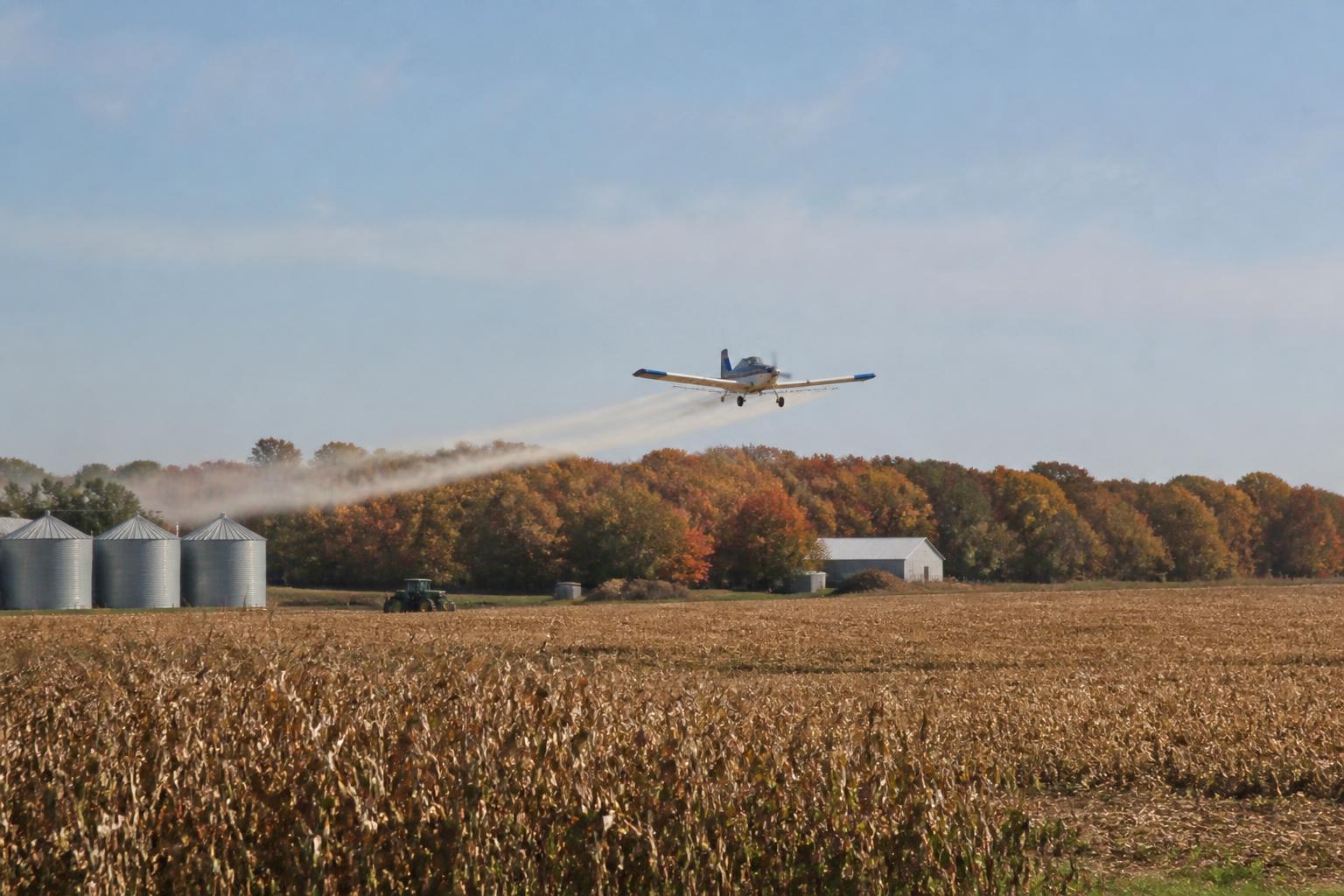
As Maryland enters the peak of the fall season, farmers across the state are transitioning into full-scale harvest mode. This period typically demands heightened coordination between field operations and local transit networks. For producers and grain handlers, managing the flow of equipment onto state and county roads requires a proactive approach to safety and scheduling, particularly in regions where aerial seeding and fall fieldwork coincide.
Coordinating Field Work and Aerial Operations
The next few weeks mark a busy window for aerial activities, with low-flying aircraft frequently operating over fields to assist with cover crop establishment. Producers in counties like Queen Anne's or Talbot may often see increased aviation presence. It is critical for transport operators and ground crews to remain vigilant and communicate timing to avoid disruptions near landing zones or active seeding sites. Maintaining clear lines of communication with local aerial applicators can help keep both the machinery and the aircraft moving safely.
Optimizing Grain Transport Logistics
Efficient movement from the combine to the elevator remains the primary goal as the season progresses. With higher volumes of grain hitting local corridors, small delays at regional bottlenecks can quickly aggregate. Many agribusinesses emphasize the value of scheduling delivery times in advance, which helps reduce idle time for trucks and prevents congestion at intake facilities. Operators are encouraged to keep a close watch on local road conditions, as seasonal traffic shifts can impact standard transit times during peak afternoon hours.
Preparing for Late-Season Field Maintenance
Beyond the immediate harvest, producers are also looking toward late-season inputs and soil health initiatives. As new research continues to influence regional agricultural practices, such as recent grain performance studies conducted within the state, farmers are finding new ways to refine their logistical planning for the coming year. Staying updated on local infrastructure and regional transportation constraints helps ensure that inputs arrive on time and that harvested commodities reach their destination without unnecessary delay.
What it means for the market
For Maryland farmers and logistics providers, this phase of the season is defined by high-intensity management. Prioritizing clear communication regarding both ground and air operations will be essential for maximizing daily throughput. By planning for increased transit demand and coordinating with neighboring farms and service providers, stakeholders can mitigate the risks of seasonal bottlenecks and ensure a smooth flow of goods during this critical harvest window.
Comments
No comments yet - be the first to share your take.