
As we transition into the fall season, New Mexico producers and agribusinesses are balancing a complex mix of regional logistics updates and evolving trade conditions. Market participants are keeping a close watch on the fluidity of cross-border commerce, which continues to be a central pillar for regional trade, influencing everything from input costs to export potential for local commodities.
Maintaining efficient cross-border logistics networks remains essential for businesses operating in the border corridors. Recent infrastructure recognition for New Mexico road projects highlights the state's ongoing efforts to streamline the movement of goods, which is a critical advantage for grain handlers and producers aiming to keep supply chains competitive in a tight, often volatile, market environment.
Biosecurity and Operational Vigilance
Beyond logistical concerns, regional producers are exercising increased vigilance regarding animal health. Reports of biosecurity threats in surrounding states serve as a reminder for ranchers and livestock managers to maintain strict herd monitoring protocols. Ensuring robust biosecurity and management practices is not only vital for individual operations but supports the broader reputation of New Mexico agricultural exports during periods of increased regulatory scrutiny.
Market Opportunities in Processing and Yields
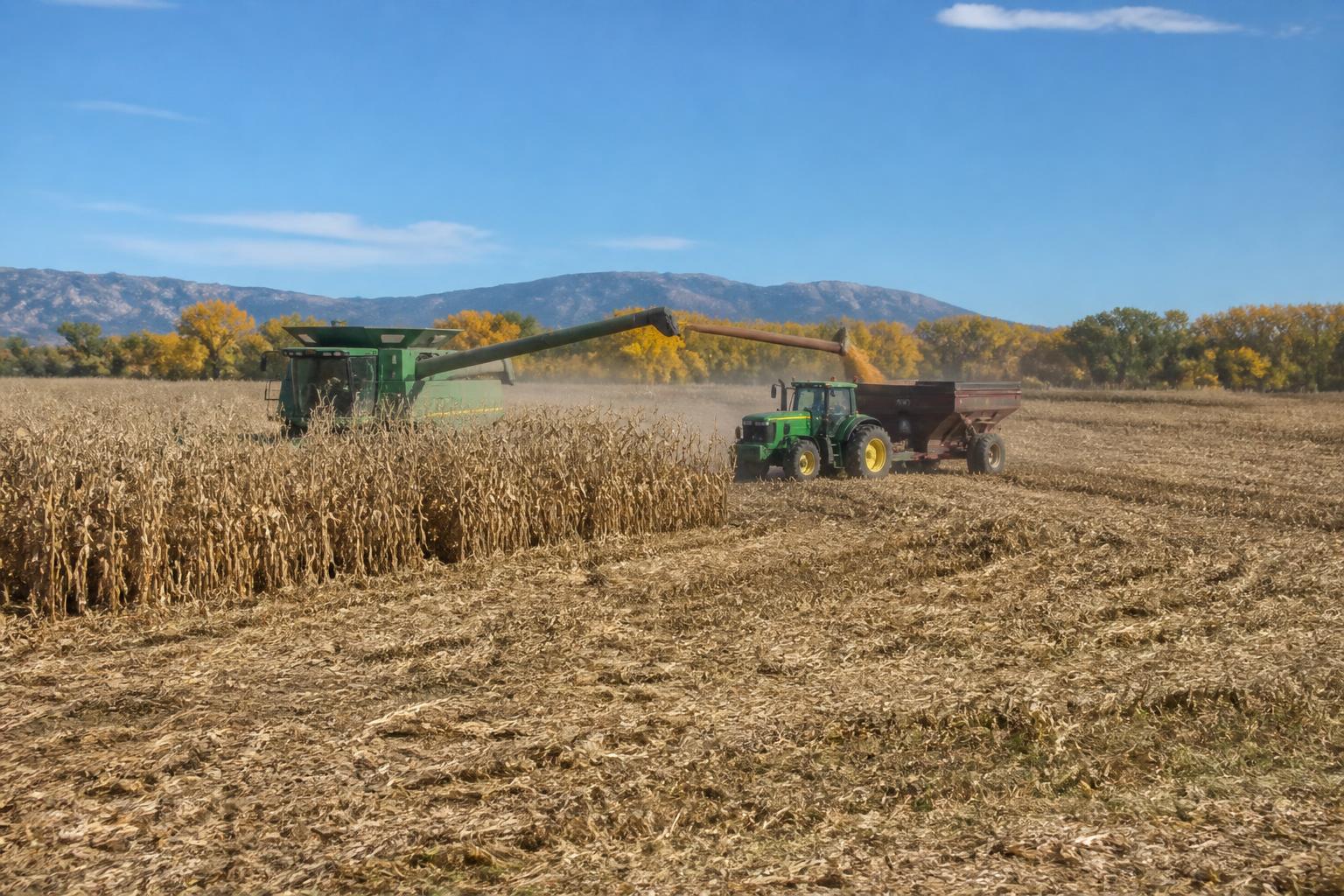
On the production side, there is a sustained push to enhance value-added opportunities, particularly within the state's processing sector. Investments aimed at reducing meat processing waste and improving facility safety are currently top-of-mind for many regional players, signaling a long-term commitment to operational efficiency. Meanwhile, field reports suggest that some corn growers continue to see impressive yields, underscoring the resilience of local farming operations despite the broader pressures of international market competition and seasonal fluctuations.
What it means for the market
For farmers and handlers, the current landscape suggests that agility is paramount. While investments in infrastructure and processing capacity are positive indicators for long-term viability, success in the near term will likely depend on closely monitoring cross-border policy shifts and maintaining rigorous on-farm biosecurity. Staying informed on regional transit updates and supply chain developments remains the best strategy for mitigating risk in an unpredictable market climate.
Comments
No comments yet - be the first to share your take.