
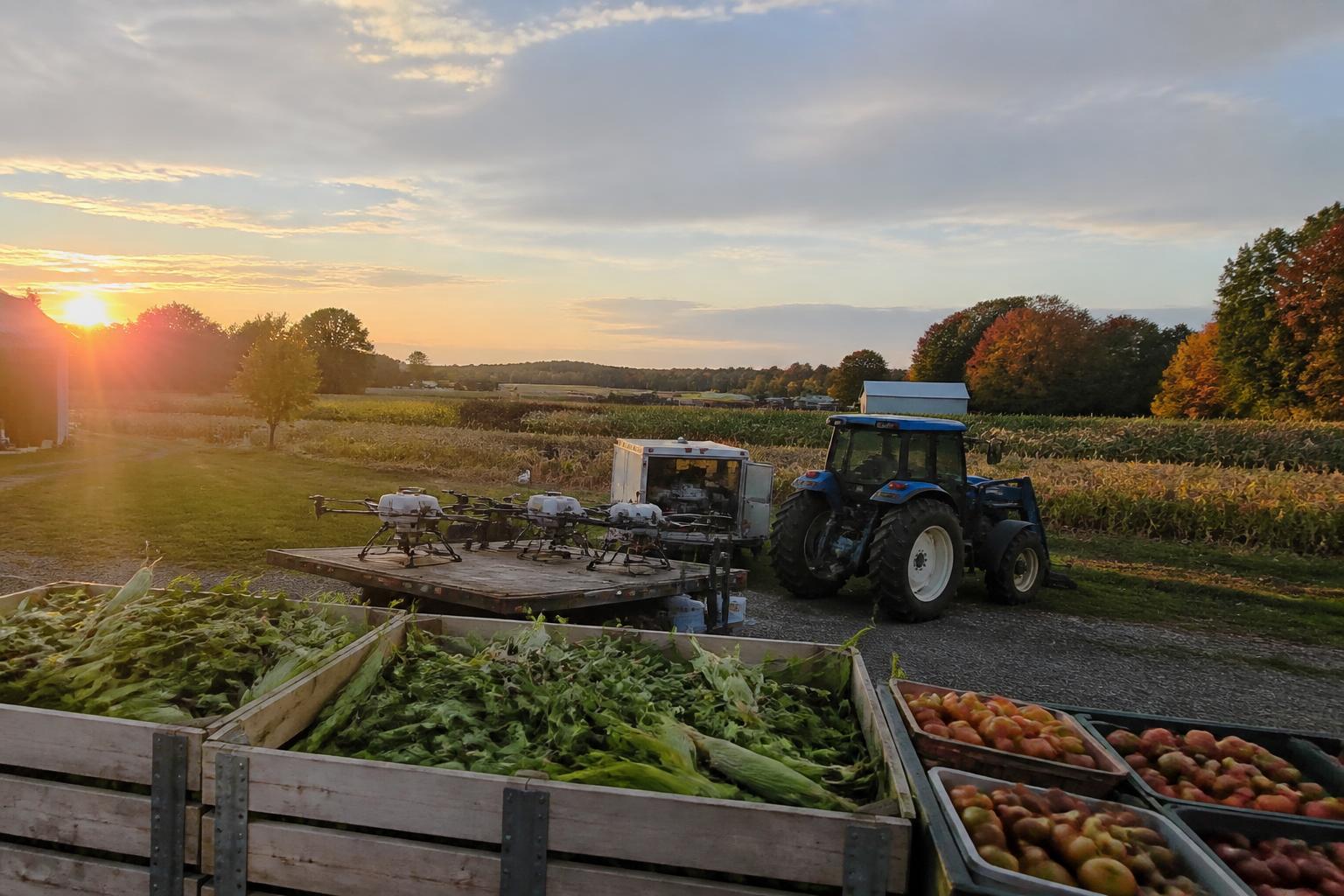
As New Jersey moves deeper into the fall season, the agricultural landscape remains a hive of activity. From the renowned produce fields of Burlington County to the grain-to-vegetable transitions seen in various parts of the state, farmers are currently focused on balancing rapid harvest cycles with the complexities of regional logistics. Efficient movement remains critical as growers work to maintain the quality of high-value crops destined for local farm stands and larger regional distribution hubs.
Navigating Supply Chain Hurdles
Market access continues to be a central theme for many local agribusinesses. While farmers emphasize the importance of local stewardship, systemic issues such as container movement bottlenecks often impact how produce is cleared from the field. For operations relying on regional transport, keeping an eye on infrastructure throughput is essential to avoiding costly delays. To better manage these variables, many operators are reviewing their logistics strategies for harvest market access to ensure that timely delivery remains prioritized throughout the busy fall window.
Strategic Shifts and Operational Efficiency
The transition toward high-demand vegetable crops in some sectors, contrasted against traditional grain farming, underscores the need for flexible equipment and storage solutions. As producers look to maximize returns, optimizing input management becomes just as vital as the harvest itself. Many growers are currently balancing field logistics and input management to stretch resources further during peak demand. This focus on efficiency helps insulate operations against broader market fluctuations and rising operational costs that can often squeeze margins during the final months of the growing season.
Community and Industry Collaboration
Recent forums and local discussions have highlighted the need for improved infrastructure, including better support for local meat processing and regional supply chain resilience. Collaborative efforts between county commissions and farmers are becoming more common as stakeholders look to strengthen the agricultural value chain. For those involved in the supply side, staying informed on managing seasonal input costs and supply chain logistics remains a standard practice for maintaining profitability in a tightening market.
What it means for the market
Farmers and logistics providers should anticipate continued tightness in regional transport capacity as peak harvest volumes hit the roads. Success this season will likely depend on pre-planning pick-up schedules and maintaining tight communication with regional buyers. By focusing on streamlined movement and proactive cost control, New Jersey agribusinesses can navigate the remaining weeks of the harvest with greater predictability.
Comments
No comments yet - be the first to share your take.