
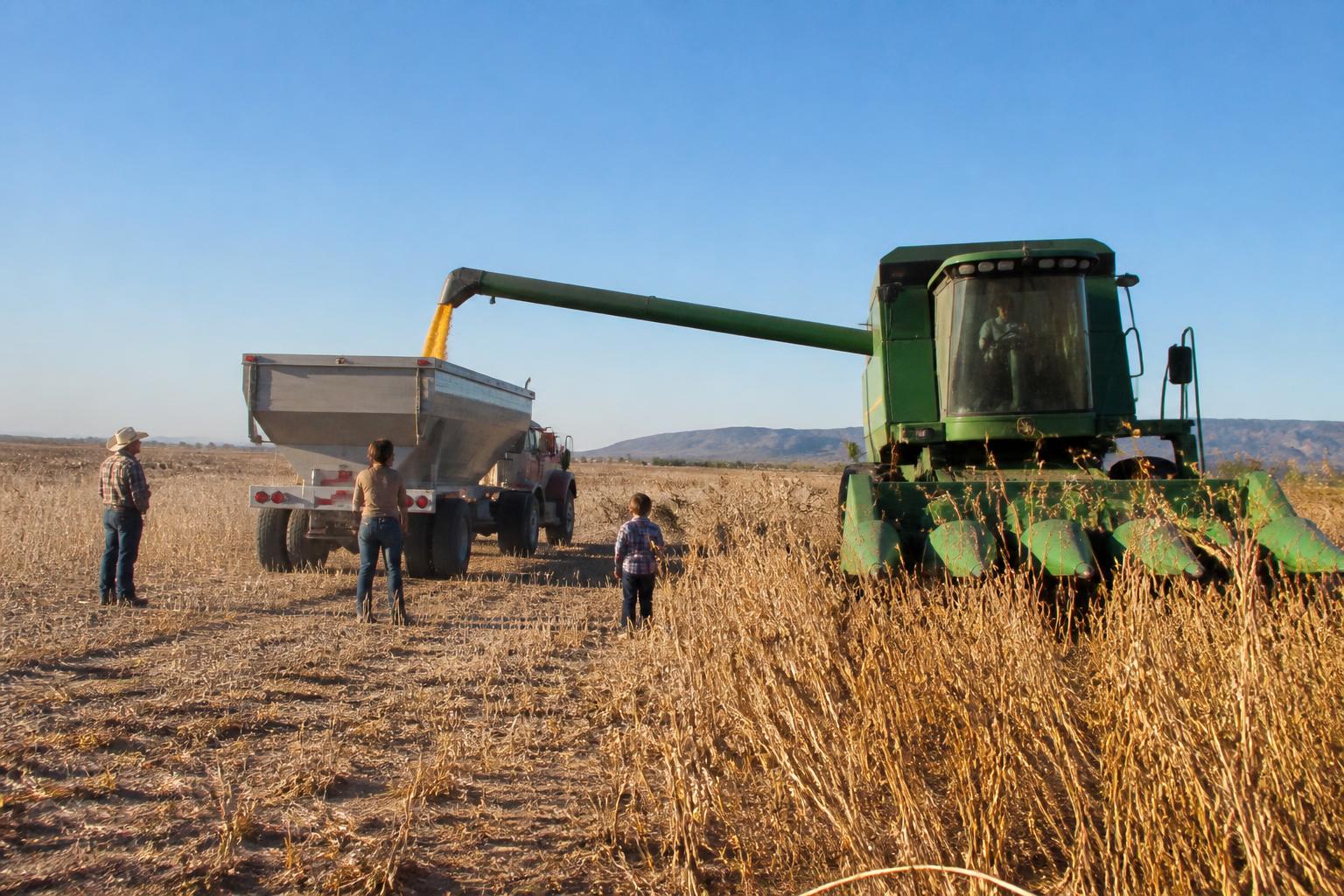
As harvest activity continues across various regions of Texas this fall, the primary challenge for many operators is balancing the speed of incoming grain with available local storage capacity. With a significant portion of the harvest cycle underway, logistical bottlenecks at elevators can often arise, requiring producers to maintain close communication with their buyers to ensure a smooth flow from field to bin.
Navigating Storage and Throughput
In many parts of the state, managing operational efficiency during the harvest window is more than just a matter of machinery performance; it is a complex logistics puzzle. When local elevator space is at a premium, the ability to pivot between different storage solutions or coordinate delivery schedules can make a substantial difference in maintaining market access. For those looking to optimize their position, understanding the nuances of how to efficiently move grain through the Texas market is essential for minimizing downtime.
Maintaining Field-to-Market Momentum
Producers are balancing these logistical hurdles against shifting regional conditions. As harvest progresses, market participants are keeping a watchful eye on how regional supply variations might affect local price benchmarks. While some areas report favorable conditions, others are navigating the realities of localized drought, which can influence both yield quality and the timing of crop delivery.
What it means for the market
For agribusinesses and transport providers, the current landscape necessitates a proactive approach to scheduling and capacity management. Staying informed on emerging operational pressures is key to maintaining resilience. As we move deeper into the fall season, the focus remains on synchronizing the pace of harvest with available infrastructure to prevent unnecessary delays, ensuring that grain reaches its destination in a timely manner despite the inherent constraints of the current harvest cycle.
Comments
No comments yet - be the first to share your take.