
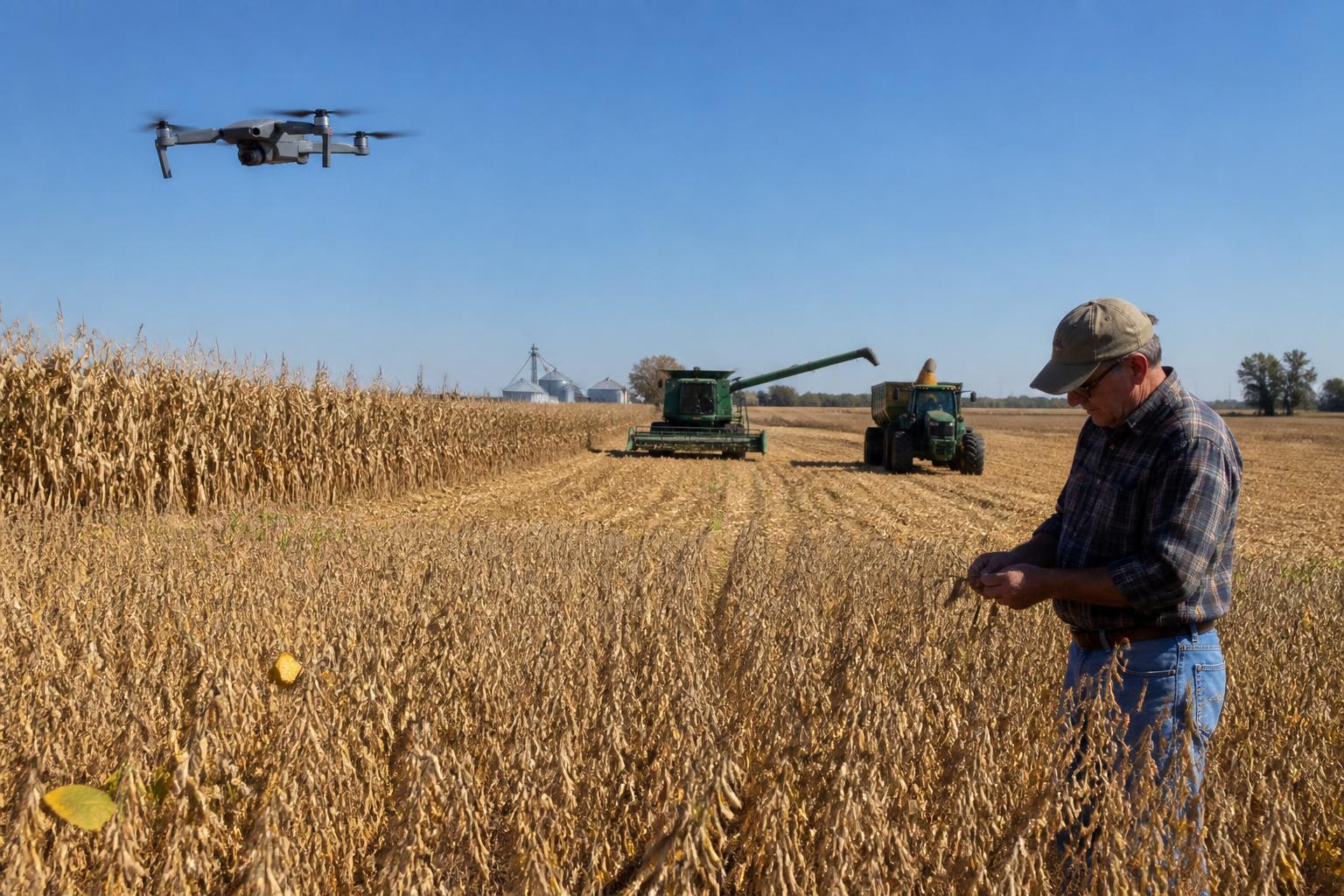
As the fall harvest window opens across Maryland, agricultural producers are balancing the promise of improved yields with the persistent reality of logistical bottlenecks. For grain handlers and transport providers throughout the Eastern Shore, moving product efficiently remains a critical component of seasonal success. Managing the flow from field to bin, and eventually to terminal, requires close attention to the infrastructure constraints that often challenge regional transit during peak periods.
Refining Efficiency in a Changing Landscape
Modernizing operations has become a standard approach for many Maryland producers looking to maximize margins. By integrating data-driven decision-making and precision management, growers are attempting to curb input costs while maintaining productivity. This shift toward high-tech farming is particularly relevant as the industry navigates broader economic pressures, including the ongoing concerns surrounding fuel costs and fertilizer supply chain stability. For those focused on navigating local transit and infrastructure constraints, adopting these efficiency-minded strategies can help mitigate the impact of fluctuating market conditions.
Balancing On-Farm Operations with Regional Logistics
The intersection of seasonal field work and local infrastructure remains a focal point for the agricultural community. Whether it is managing the increased volume of heavy machinery on public roads or coordinating with local cooperatives to handle grain throughput, logistics often dictate the pace of the harvest. Farmers continue to monitor how aerial seeding and fall harvest traffic may interact with existing road networks. Proactive planning regarding grain storage, transit routes, and elevator communication is often the difference between a smooth operation and costly downtime during the busiest weeks of the year.
What it means for the market
For grain elevators, carriers, and agribusinesses, the primary takeaway is the necessity of heightened coordination. As regional crop movement accelerates, the ability to anticipate and circumvent logistical hurdles will be key to protecting profitability. While macro-level discussions regarding federal policy and global supply chains continue, the immediate priority for Maryland stakeholders is ensuring that local infrastructure can reliably support the pace of this year's harvest.
Comments
No comments yet - be the first to share your take.