
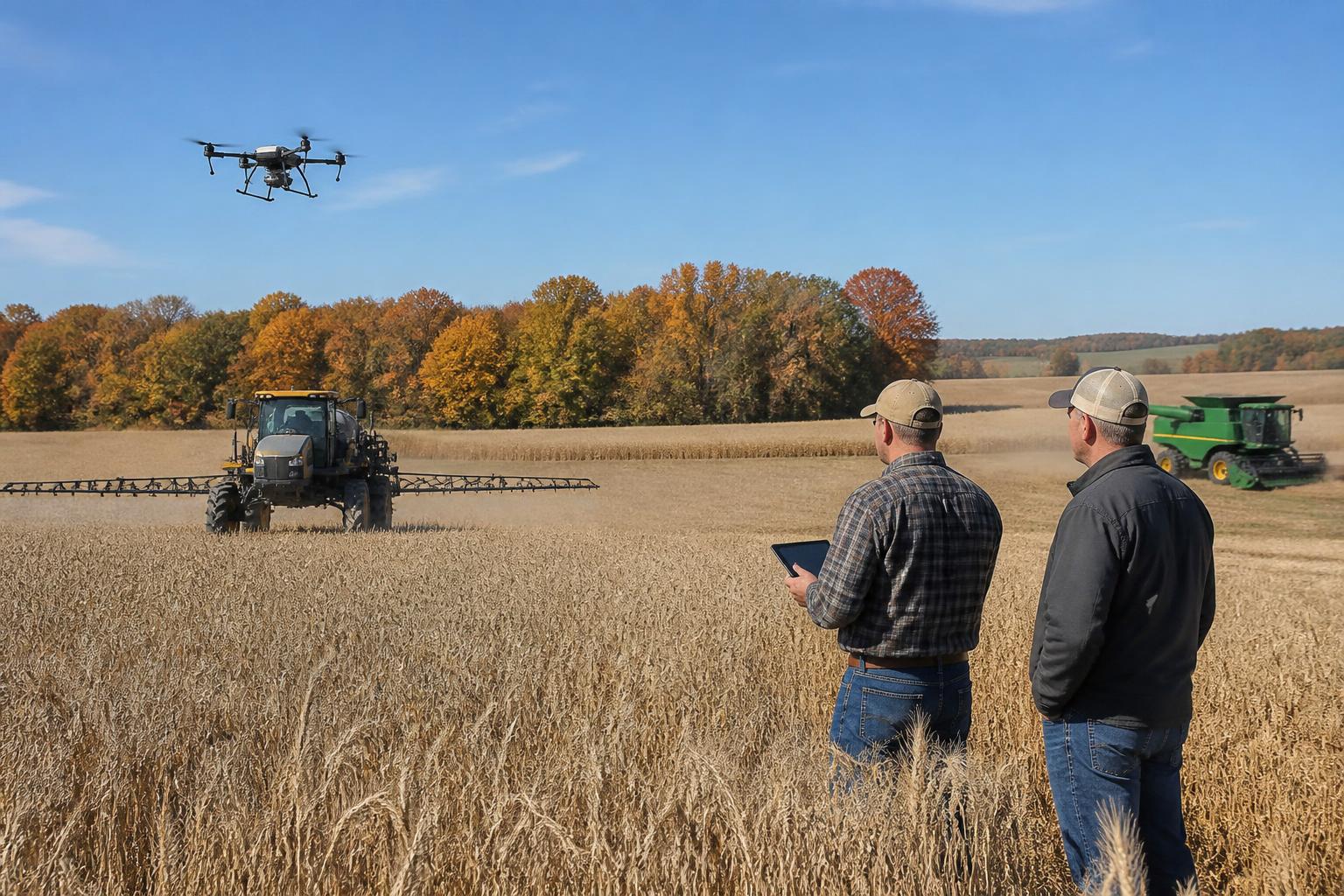
As we move deeper into the fall season across New York, the focus for producers and agribusinesses shifts toward harvest logistics and the efficiency of local supply chains. With harvest activity accelerating across the state, managing the movement of commodities from farm to elevator remains a primary challenge. Local operators are increasingly balancing the realities of global energy costs with the need for streamlined transport, a factor that continues to weigh on the overall agricultural economy.
For many New York growers, the current environment underscores the value of regional infrastructure. Whether navigating the corridor logistics through upstate production hubs or managing the specialized distribution needs found in areas like the East End, efficient handling remains vital. Effective management of transport and soil-related infrastructure can help mitigate some of the uncertainties present in today's broader market, where volatility often impacts input access and final margins.
The Role of Infrastructure in Regional Resilience
The strength of our state's agricultural sector is often tied to how well we adapt to shifting operational requirements. As noted in recent discussions regarding structural shifts in our agribusiness landscape, the intersection of land use and logistics plays a significant role in long-term viability. Producers who prioritize consistent maintenance of on-farm storage and clear lines of communication with local carriers often find themselves better positioned to weather the fluctuations in demand and energy-related supply chain costs.
Furthermore, as we look at evolving agricultural practices, the integration of new technologies is slowly changing how we think about field-to-market throughput. While much of the global conversation centers on commodity trading modernization, local farmers are feeling the immediate impact of improving seasonal transport efficiencies. This transition is not just about equipment; it is about the strategic planning required to navigate a season defined by tighter margins and the urgent need for operational precision.
What it means for the market
For the remainder of the fall season, the market will likely continue to react to the combined pressures of global supply chain logistics and local seasonal demand. Farmers should anticipate continued focus on cost-efficient transport as they move product. Strengthening relationships with local elevators and logistical partners, while keeping a close eye on regional infrastructure updates, will be essential for maintaining a competitive edge throughout the harvest window.
Comments
No comments yet - be the first to share your take.