
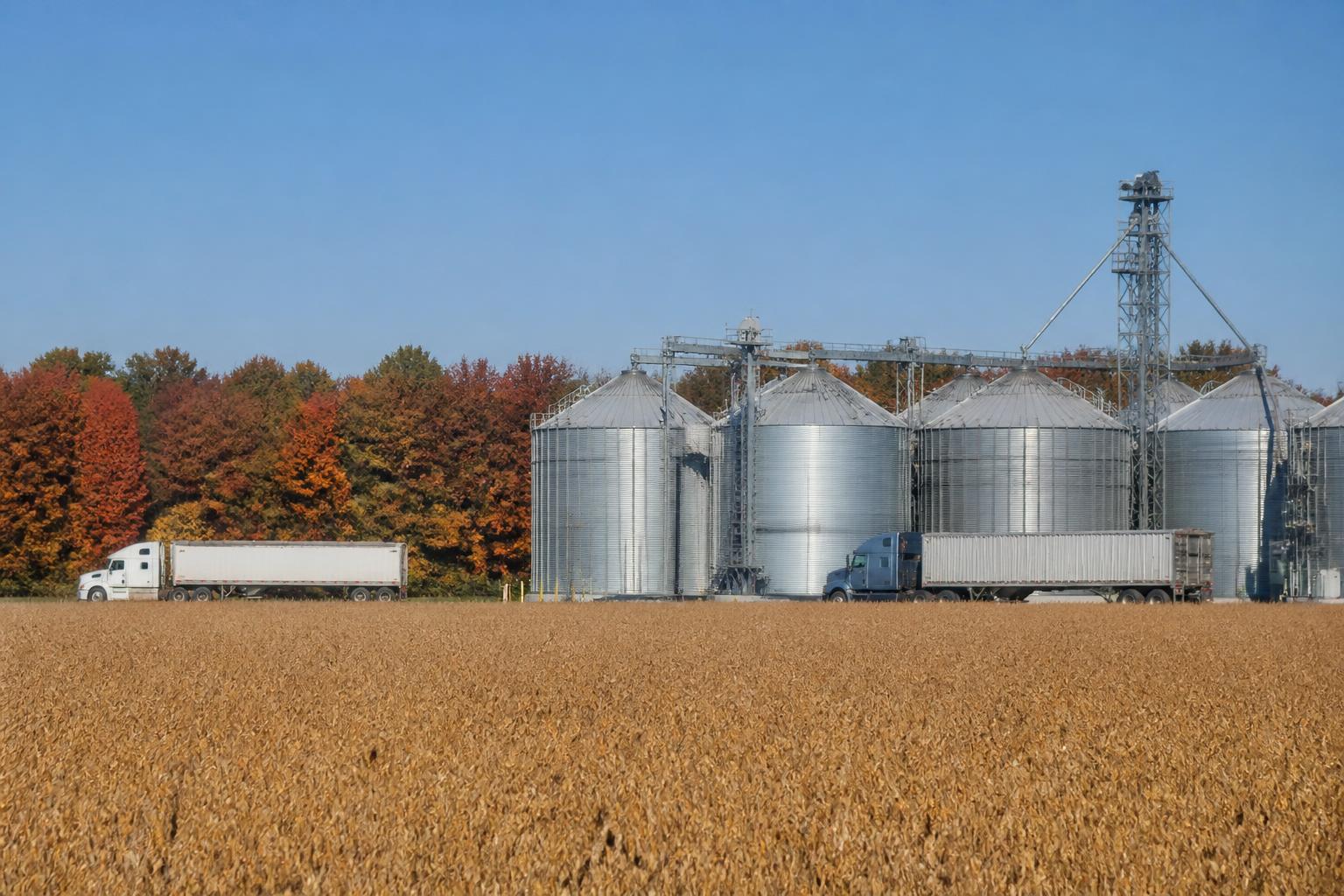
As the fall harvest season shifts into high gear across Montana, the state’s agricultural infrastructure is moving to accommodate the increased flow of grain and commodities. For many producers in counties across the Treasure State, the focus remains on ensuring that transport and storage systems operate with minimal friction. Maintaining consistent agrologistics efficiency is essential as regional grain elevators prepare to move seasonal yields through major transit corridors.
Reliable fuel access remains a cornerstone of rural operations during peak activity. Integrated supply networks continue to support agricultural sectors by keeping fuel flowing to remote farm operations, which helps buffer against some of the typical supply chain bottlenecks encountered during heavy harvest periods. Ensuring these logistics remain fluid is critical for growers balancing tight timelines and operational demands.
Managing On-Farm Operational Resilience
Beyond transportation, maintaining production stability often requires proactive management of local environmental and economic factors. Montana producers have been active in advocating for the continued availability of essential pest management tools, particularly regarding grasshopper and Mormon cricket control, to protect crop yields. These advocacy efforts reflect the broader need for a stable operating environment that allows growers to focus on field productivity without being hindered by regulatory gaps.
Investment and Infrastructure Development
Support for regional agricultural capacity is evolving, with recent investments in local projects aimed at strengthening the backbone of the state's industry. Whether through improved research capabilities or facility upgrades, these initiatives can help producers navigate the complexities of modern agriculture. For those managing complex logistics and market volatility, keeping a pulse on these infrastructure improvements is a practical step toward long-term operational viability.
What it means for the market
For Montana agribusinesses and carriers, the coming weeks represent a critical window for throughput. Producers should continue to prioritize early communication with transporters and local elevators to mitigate potential delays. By staying informed on current infrastructure performance and maintaining flexible storage strategies, stakeholders can better manage the typical seasonal pressures that accompany the movement of fall crops across the state.
Comments
No comments yet - be the first to share your take.