
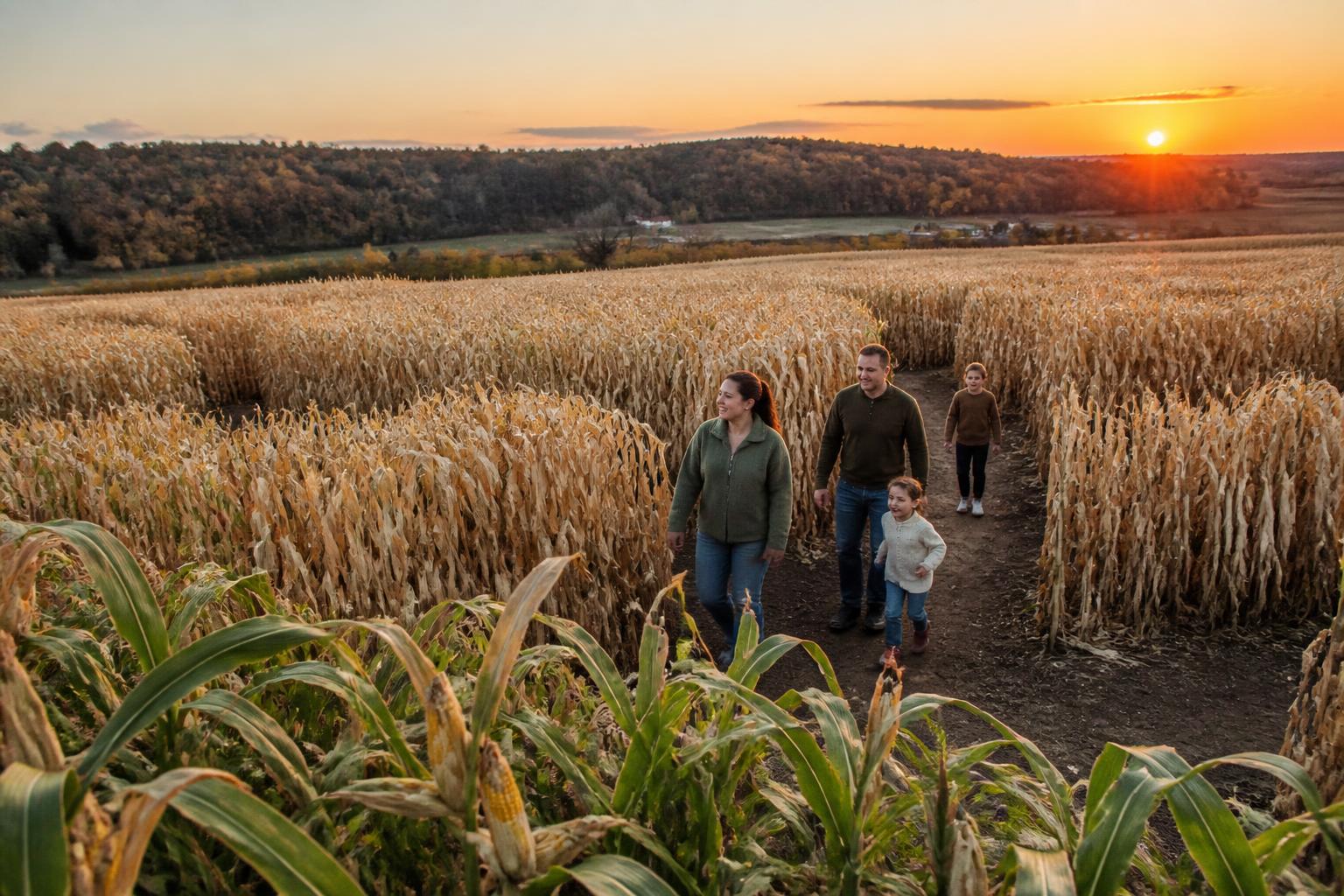
As the fall season takes hold across New Jersey, farmers are increasingly focused on balancing essential soil health maintenance with the realities of tight operating margins. With harvest operations for various seasonal crops now reaching peak activity, the urgency to manage input costs remains a primary concern for operations ranging from specialty produce farms in the southern regions to grain producers in northern counties.
Input management is rarely a static challenge, particularly as producers navigate global fertilizer market trends that continue to influence local availability and pricing. Whether planning for late-season applications or early prep for the next cycle, many growers are finding that efficiency and precise application are essential to protecting bottom lines in an environment where diesel and equipment maintenance expenses remain elevated. For more insight on managing these logistical hurdles, our recent coverage on managing seasonal input costs and supply chain logistics offers a practical look at regional strategies.
Strategic Input Planning in a Volatile Market
The agricultural landscape in New Jersey often demands high levels of agility, especially when regional labs and testing services play a critical role in optimizing nutrient usage. By prioritizing soil analysis, operations can often avoid over-application, a strategy that directly supports cost control. As farm businesses evaluate their procurement options for the coming months, observing broader market shifts is a common approach to mitigating price swings. To stay ahead of these logistical and financial pressures, consider reviewing our analysis on navigating harvest pressures and input costs to better understand how to align your supply chain with current market realities.
Logistical Considerations for Producers
Beyond the cost of inputs, the physical movement of materials during the busy fall window requires careful coordination. Whether working with regional cooperatives or independent suppliers, early communication regarding delivery windows is typically recommended to avoid bottlenecks on rural transit routes. Ensuring that your farm’s logistics strategy accounts for market access and input delivery can prevent delays that ripple through the remainder of the season.
What it means for the market: For New Jersey agribusinesses, the current environment necessitates a dual focus: disciplined cost management for essential inputs and a proactive approach to supply chain logistics. By leveraging data-driven soil management and maintaining flexible procurement schedules, producers may be better positioned to weather ongoing price volatility and ensure a smoother transition into the next production cycle.
Comments
No comments yet - be the first to share your take.