
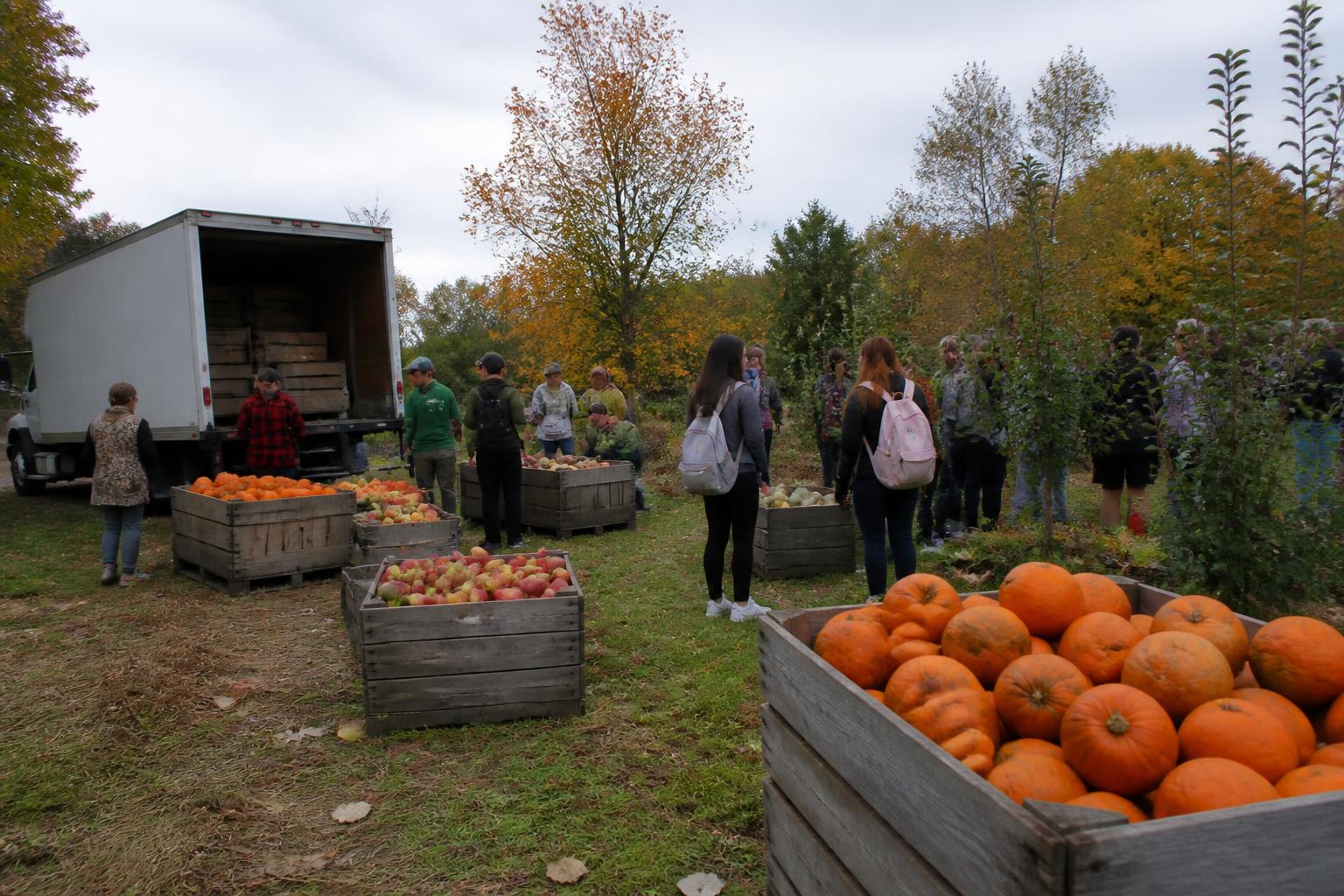
As the fall season takes hold across New Jersey, local growers are transitioning from late-summer field management to the peak of the harvest cycle. While the state's agricultural reputation remains defined by its diverse produce and high-value crops, farmers are currently navigating a complex environment characterized by fluctuating operational costs and significant logistical considerations.
Managing Input and Supply Chain Volatility
For many New Jersey producers, the bottom line is increasingly impacted by broader economic pressures. Observers note that fuel and fertilizer costs continue to influence seasonal input expenses, forcing operations to tighten their budgets ahead of major winter preparations. These financial constraints are compounded by regional logistics hurdles, where efficient movement of goods from field to distribution hubs remains a critical determinant of farm profitability.
Logistical Hurdles and Resource Management
Effective logistics is the backbone of the state's agricultural sector. Whether transporting fresh produce to local schools or managing the distribution of secondary commodities like hay and straw, operators are constantly looking for ways to streamline their supply chains. Understanding the evolving landscape of harvest logistics and market access has become a priority for agribusinesses, particularly as they look to integrate with broader, multi-state distribution networks.
Addressing Field-Level Challenges
Beyond economics and transport, local producers are also confronting persistent environmental and biological pressures. Efforts to balance field-level logistics and input management are vital as farmers mitigate risks such as pest pressure and crop loss. State agencies and local organizations are continuing to monitor these developments to help keep New Jersey produce moving through the state's supply channels efficiently.
What it means for the market
Farmers and agribusinesses should prepare for sustained volatility in the short term. Prioritizing lean inventory management and optimizing route planning will be essential as the harvest season progresses. By focusing on regional partnerships and maintaining a strict grip on variable input costs, New Jersey's agricultural stakeholders can better insulate themselves against the unpredictability of the current global and local market climate.
Comments
No comments yet - be the first to share your take.