
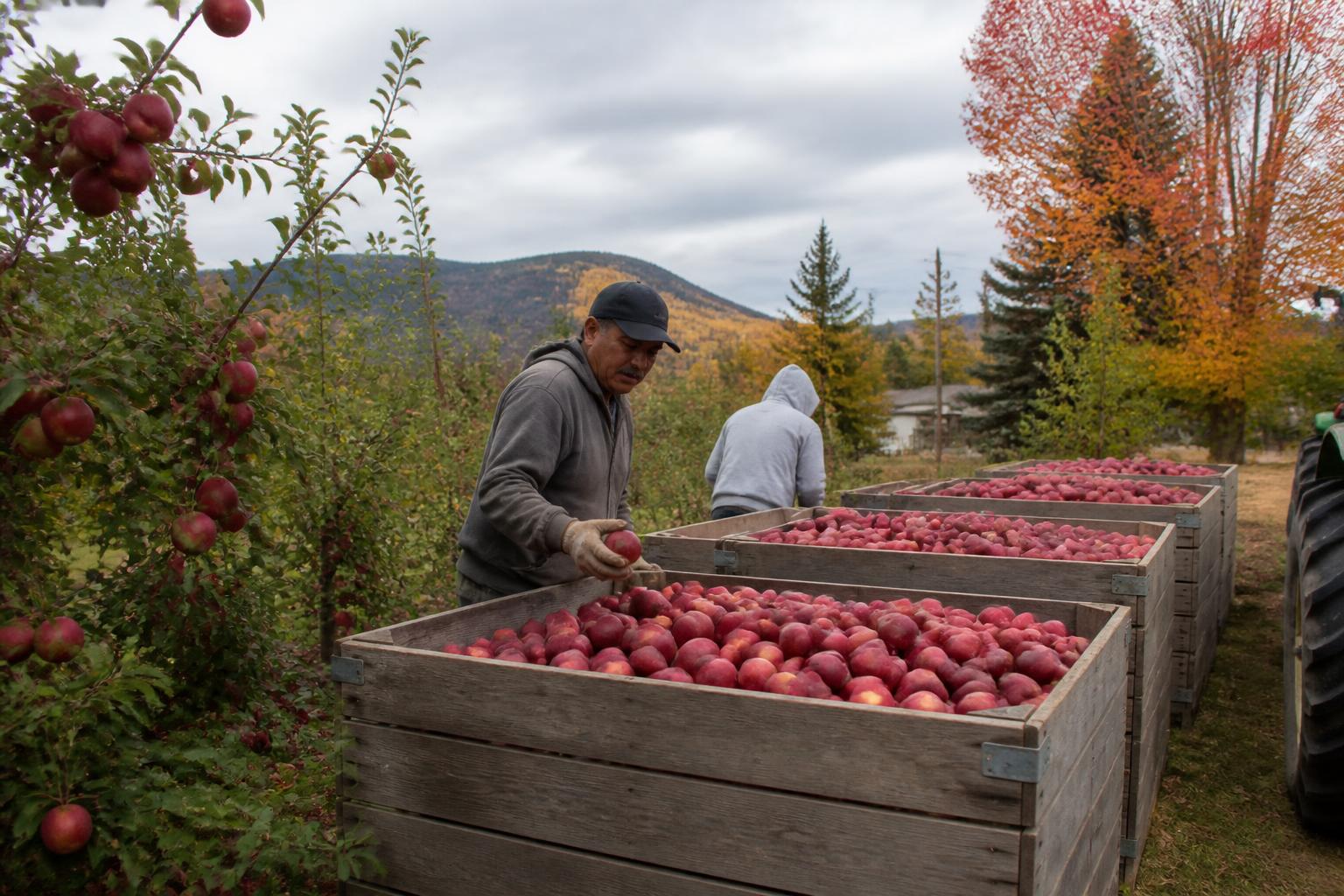
Optimizing Flow in a Dynamic Market
As the fall harvest season accelerates across Washington, the focus for grain handlers and regional agribusinesses remains squarely on logistical efficiency. Producers are weighing the demands of the harvest against a complex export environment, where shipping costs continue to influence the competitive positioning of Pacific Northwest commodities in global markets. With export dynamics shifting, many operators in the state are re-evaluating how they move product from inland storage to major port facilities.
Infrastructure and Strategic Investments
The resilience of Washington agriculture often hinges on the reliability of transit corridors that link high-producing counties to international hubs. Recent discussions regarding strategic port investments highlight a growing emphasis on capacity upgrades intended to streamline the movement of agricultural goods. These efforts may prove essential as the industry works to manage the logistics of large volumes during peak seasonal windows. For many, navigating these shifts requires a keen eye on logistical bottlenecks and potential congestion points that often emerge as harvest activity reaches its zenith.
Managing Trade and Seasonal Pressures
The broader agricultural landscape remains sensitive to international trade relations, which have historically impacted the bottom line for Washington exporters. Market participants are watching for changes in trade policy that could influence future demand. Concurrently, the regional focus remains on preparing for the logistical demands of the months ahead, ensuring that storage and transport capacity is aligned with harvest expectations. Balancing these immediate operational needs with long-term market visibility and export trends remains a primary challenge for local stakeholders.
What it means for the market
For farmers, handlers, and carriers in Washington, the current environment demands a proactive approach to transport planning. As global shipping costs fluctuate and infrastructure investments evolve, staying agile in how grain is routed—and when it is moved—can help mitigate some of the inherent risks in the current market cycle. Monitoring local transit conditions and maintaining strong communication with regional logistics partners will be vital as the industry moves through this critical fall window.
Comments
No comments yet - be the first to share your take.