
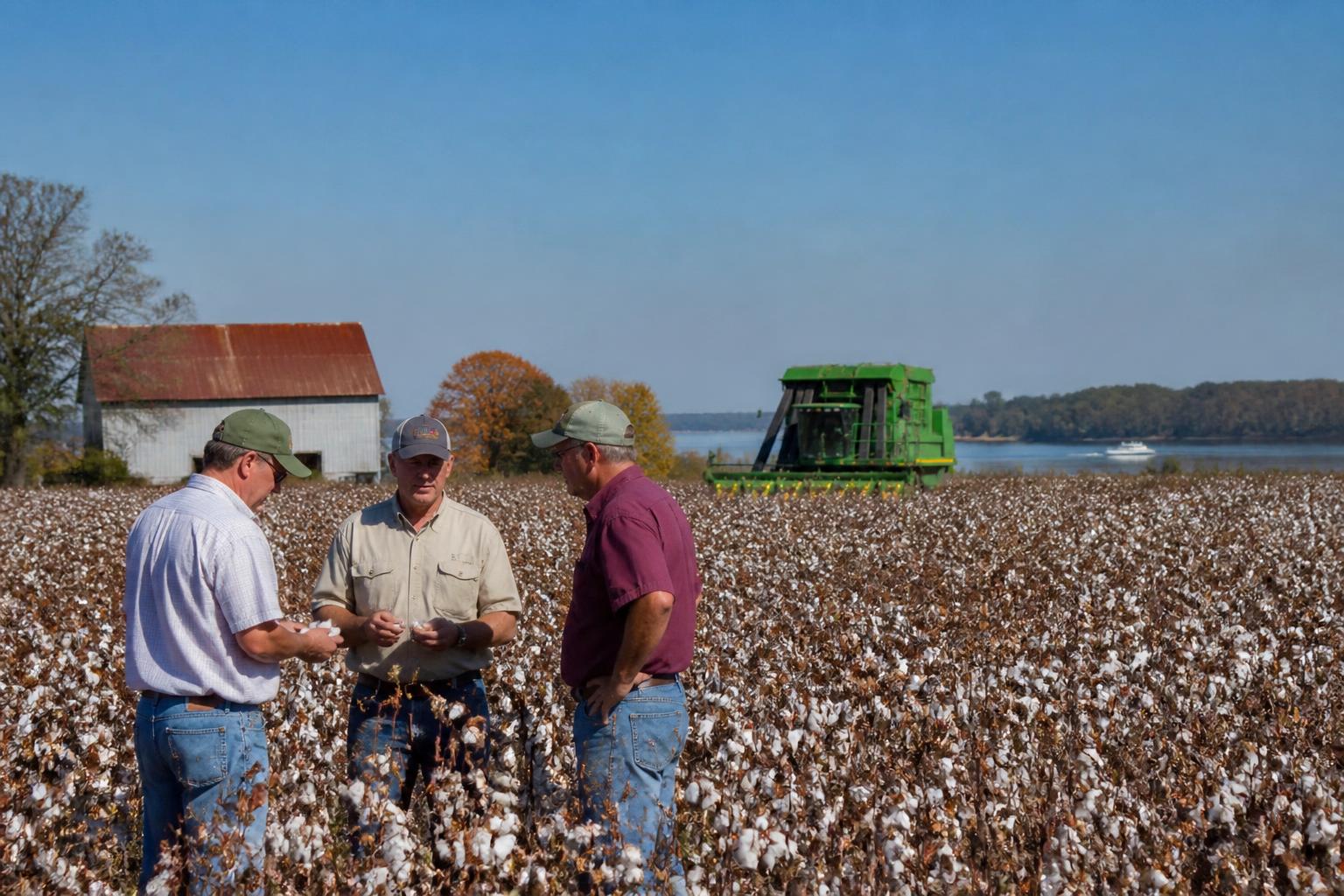
As the fall harvest season accelerates across the Mississippi Delta, agricultural producers are facing a complex landscape of supply chain hurdles. While attention is often focused on the movement of grain toward the Gulf, the upstream flow of essential inputs remains a critical factor for long-term farm profitability. Farmers are monitoring local retail availability closely as they wrap up current production cycles and plan for upcoming soil amendments.
Logistics Constraints Impact Regional Supplies
The reliability of river-based logistics continues to be a central theme for Mississippi agribusiness. Recurrent low water levels on the Mississippi River can create significant bottlenecks, affecting not only the movement of grain out of the state but also the efficient transport of bulk fertilizers into inland river terminals. When barge traffic is restricted, local depots may experience delays, forcing regional distributors to rely on more expensive or slower rail and truck alternatives. These infrastructure challenges often ripple through the supply chain, emphasizing the need for producers to maintain flexible inventory strategies.
Input Costs and Market Outlook
Managing overhead expenses remains a top priority for Mississippi cotton and grain producers. Farmers continue to scrutinize seed and nutrient costs, looking for efficiencies to protect their margins. Recent reports indicate that even minor fluctuations in regional supply availability can influence local pricing. Producers are advised to communicate early with their suppliers regarding delivery windows to mitigate the risks associated with potential transport delays and to capitalize on strategic procurement opportunities when inventory is available.
Staying Informed on Regional Infrastructure
For those managing large-scale operations in the Delta, staying updated on river conditions is essential. As seen in recent assessments of regional harvest logistics, water levels dictate the pace of commerce throughout the corridor. Producers should also remain vigilant about evolving protective measures for crop logistics as they move toward the end of the calendar year. Furthermore, keeping an eye on broader Delta water level trends can provide a clearer picture of how logistics constraints might impact regional input pricing moving into the next planting season.
What it means for the market: For Mississippi farmers and agribusinesses, the intersection of harvest activity and river transit volatility suggests a period of heightened caution. Proactive engagement with regional suppliers and close monitoring of transportation infrastructure will be key to managing costs and ensuring that necessary inputs are on hand for post-harvest soil preparation.
Comments
No comments yet - be the first to share your take.